Deutsche Bank is only weeks away from offering Bitcoin and Ether custody to institutional clients in Germany, and that matters far more than the near-term reaction in crypto prices. The real story is that one of Europe’s biggest banks is moving from watching the digital asset market to helping institutions hold it, a step that could make crypto easier for pensions, corporates and asset managers to own through regulated channels.
Deutsche Bank to offer Bitcoin and Ether custody

That shift is important because custody is the plumbing of institutional adoption. Banks that safeguard private keys do not create new buyers by themselves, but they remove one of the biggest obstacles to participation: compliance. For many institutions, a regulated bank is the only acceptable way to hold Bitcoin or Ether, especially as boards, risk committees and auditors grow more comfortable with digital assets as portfolio tools rather than speculative bets.
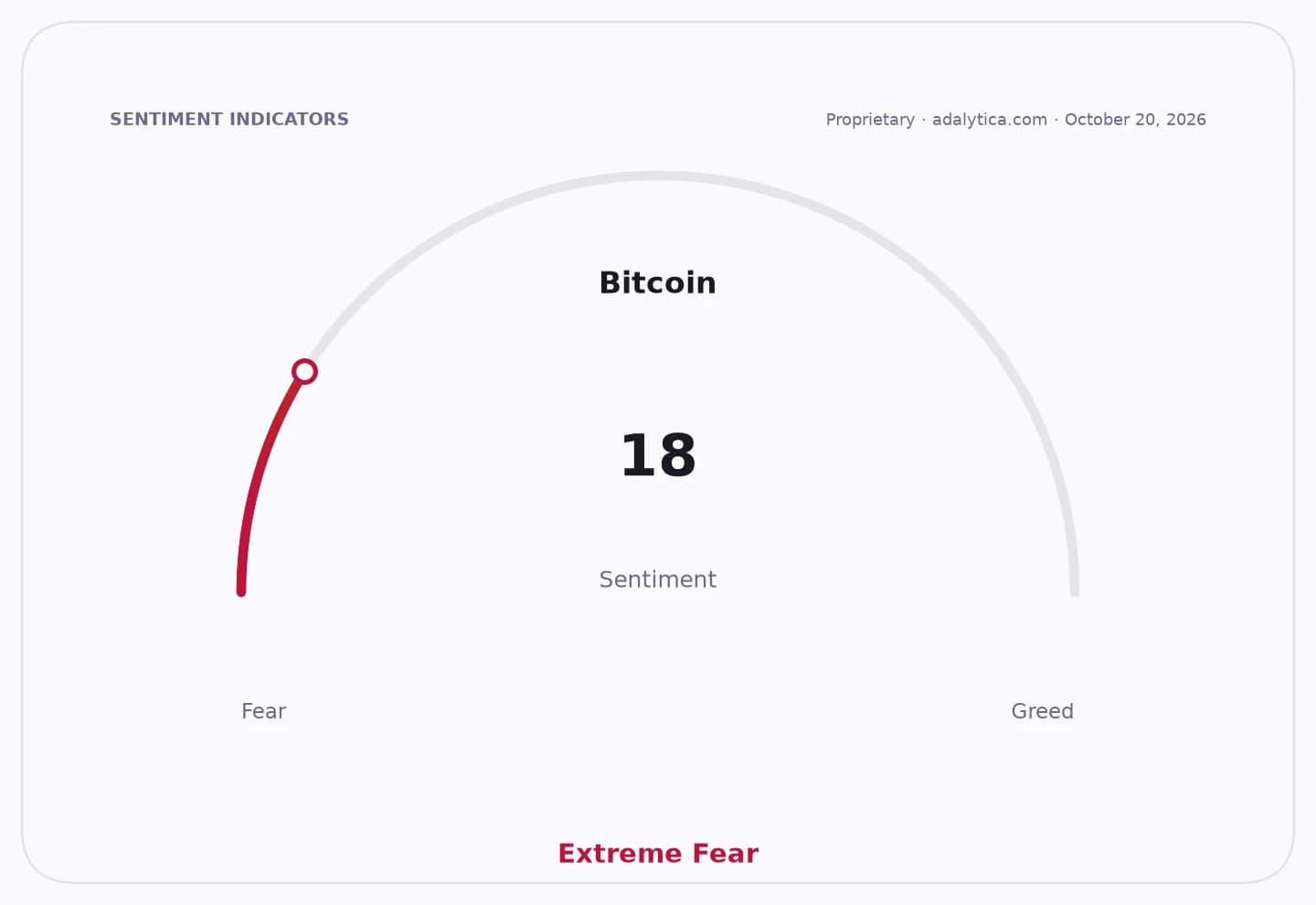
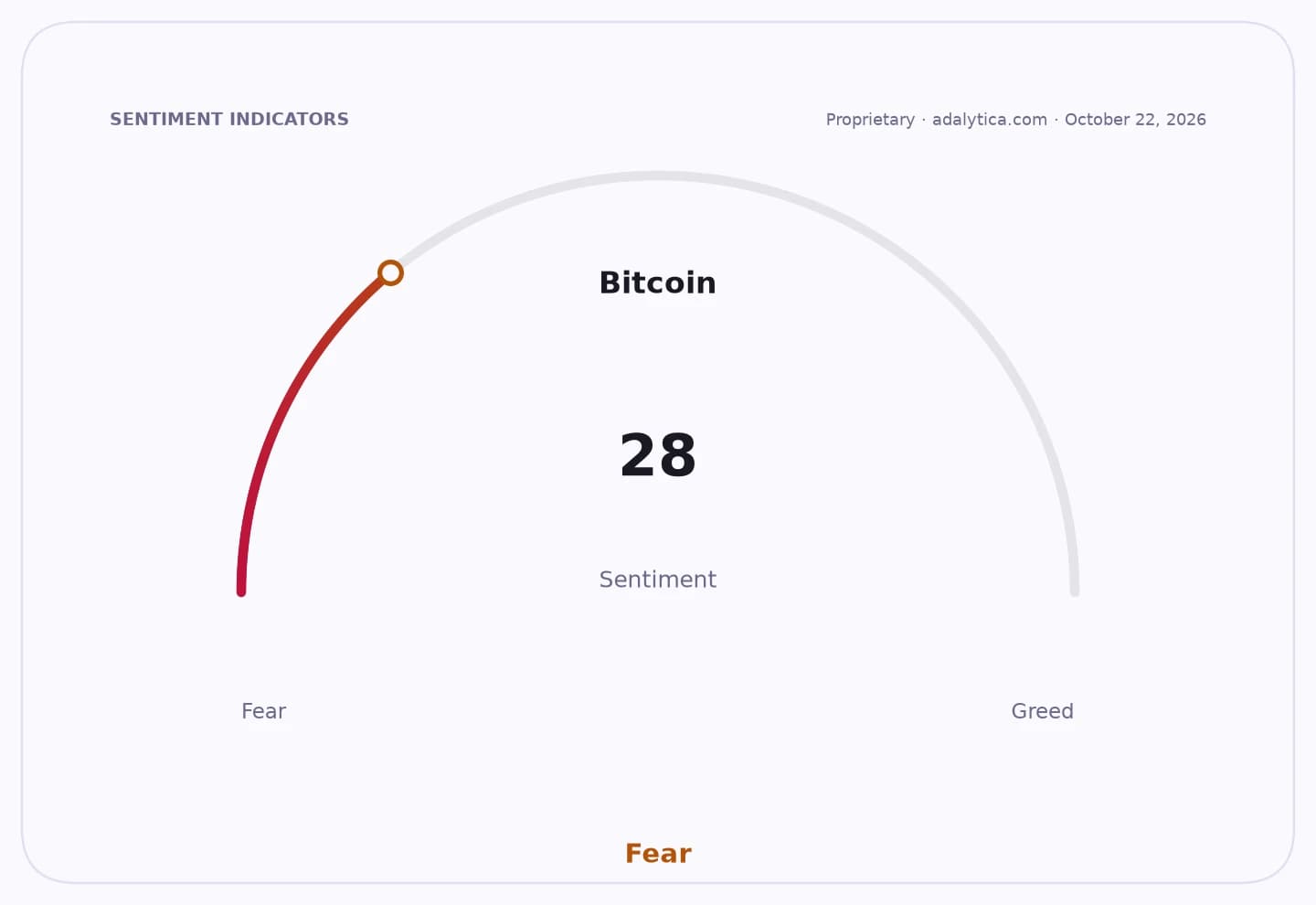
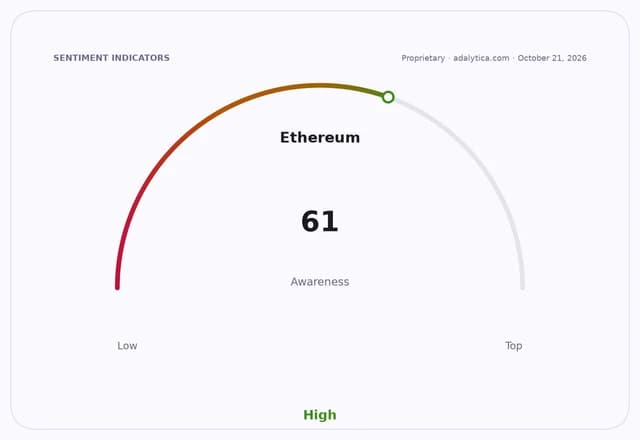
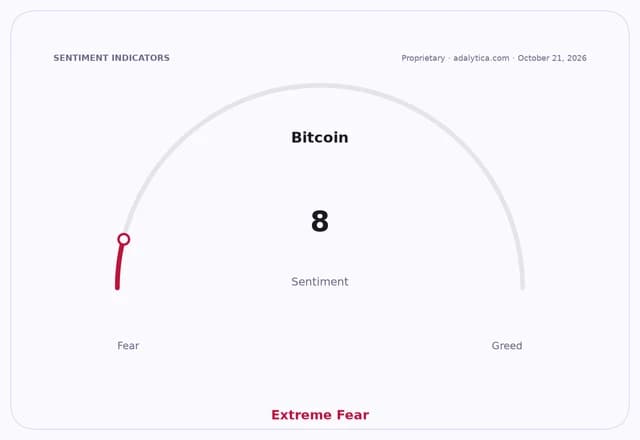
Sentiment IndicatorsⓘProprietary · adalytica.com · October 21, 2026
This is a snapshot — live sentiment, awareness and momentum for 130+ markets update continuously in the dashboard.Open AlphaPulse
Deutsche Bank’s plan is also a sign that the banking industry sees a business opportunity in crypto even after a rough year for prices. Bitcoin is still down 23% from recent highs and Ether 37%, yet major institutions keep building products around them. That disconnect is telling. Banks are not rushing in because prices are booming; they are moving because client demand is becoming too large to ignore, and because the economics of custody, transaction services and tokenized asset infrastructure could become attractive fee businesses over time.
The regulatory backdrop helps explain the timing. Easing Basel Committee capital rules has reduced some of the penalty for banks that want to serve crypto clients, while regulators have also pushed the industry toward tighter controls and stronger recordkeeping. In other words, the market is maturing just enough to make custody a bankable service, even as the risks remain high. That is good news for institutions seeking to consolidate holdings with one provider, but it also means the winners will be the firms that can operate crypto inside the same governance framework as cash, bonds and derivatives.
For investors, the implication reaches beyond Bitcoin and Ether. Deutsche Bank’s move points to a broader theme: the gradual institutionalization of crypto is happening through the balance sheet infrastructure of traditional finance, not through retail hype. If more large banks follow, the biggest beneficiaries may be exchanges, custodians, stablecoin issuers and firms building tokenized financial products. The banks themselves could also earn new fee income with relatively limited capital intensity compared with lending.
There is still plenty of risk. Crypto remains volatile, and the recent price action shows that custody services do not automatically translate into immediate buying. Bitcoin was trading around $81,497 and Ether near $2,428 after the announcement, hardly a euphoric response. But that is exactly why long-term investors should pay attention: the value of this development is not in a one-day move, but in the possibility that the world’s major banks are slowly building the rails for a much larger crypto market.
For patient investors, the takeaway is simple. Deutsche Bank’s custody launch is another brick in the wall of mainstream adoption, and it makes the ecosystem more durable even if prices stay choppy. That does not mean chasing Bitcoin or Ether blindly, but it does mean keeping the sector on the watchlist as traditional finance keeps opening the door.
| Entity | Gains | Losses |
|---|---|---|
| Deutsche Bank | ▲New fee stream | ▼Higher compliance burden |
| Institutional clients | ▲Regulated crypto access | ▼Less flexibility than self-custody |
| Bitcoin and Ether ecosystem | ▲Broader adoption rails | ▼Price still volatile |
| Smaller crypto-only custodians | ▲More legitimacy for the market | ▼Pressure from big banks |