Germany’s savings banks are moving into cryptocurrency trading for retail clients, a milestone that widens mainstream access to Bitcoin and other digital assets while underscoring how even conservative lenders are adapting to customer demand and a clearer European regulatory framework.
Germany Sparkassen begin retail crypto trading rollout
From Monday, the first participating Sparkassen can offer crypto trading through their existing app, with 30 to 40 more institutions expected to join each month, the German Savings Banks Association said. The rollout will be staggered rather than national, with each bank deciding when to launch, and the group expects a large share of interested savings banks to be connected by the first half of 2027.
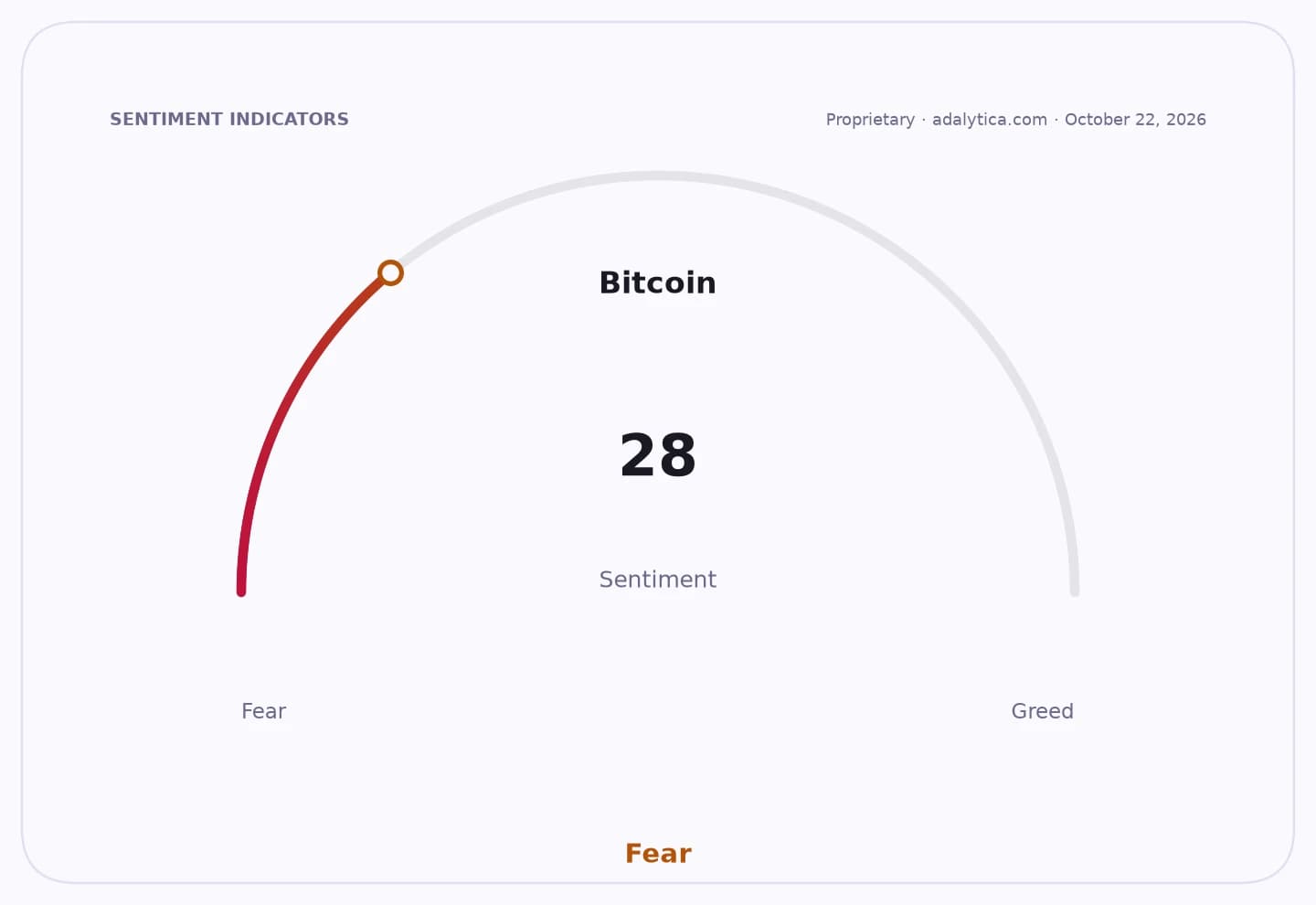
Sentiment IndicatorsⓘProprietary · adalytica.com · October 22, 2026
This is a snapshot — live sentiment, awareness and momentum for 130+ markets update continuously in the dashboard.Open AlphaPulse
The service, provided by Dekabank, initially covers Bitcoin, Ethereum, Ripple, Solana and Polygon. Customers can buy, sell and hold the tokens themselves, but the savings banks will not actively promote the product or provide broad advisory support, a sign that the sector still wants distance from the riskier edges of the crypto market.
That caution matters because the Sparkassen are among Germany’s most trusted retail banking brands, and their entry gives crypto a new channel into the mass market at a time when trading has already become commonplace at fintechs such as N26, Trade Republic and Revolut, and at some Volksbanken. A mainstream bank wrapper could help normalize crypto ownership for customers who have avoided standalone exchanges, but it also raises the stakes for institutions that have spent years warning clients about volatility and potential total loss.
The timing is also notable for investors watching the broader European digital-asset market. Savings banks said the decision was driven by customer demand and the existence of a “reliable European legal framework,” pointing to a regulatory backdrop that is encouraging more banks to experiment with crypto offerings instead of leaving the business to fintechs and specialist exchanges.
Still, the launch is not a sign that Germany’s retail banking industry has embraced crypto as a core savings product. The association explicitly said cryptocurrencies remain “highly speculative,” and clients will be warned about sharp price swings and the risk of losing all their money. Traditional savings products, securities plans and adviser-led wealth building will remain the banks’ main focus.
For crypto platforms and market infrastructure players, the move is a competitive threat and a validation at the same time. Dekabank and Börse Stuttgart gain a bigger distribution opportunity, while exchange groups such as Coinbase and Robinhood face another reminder that bank-led access can erode the appeal of standalone apps. Robinhood shares have been volatile in recent sessions, while Coinbase stock has also been choppy as technical indicators have softened, with both names sensitive to shifts in retail trading volumes and market sentiment.
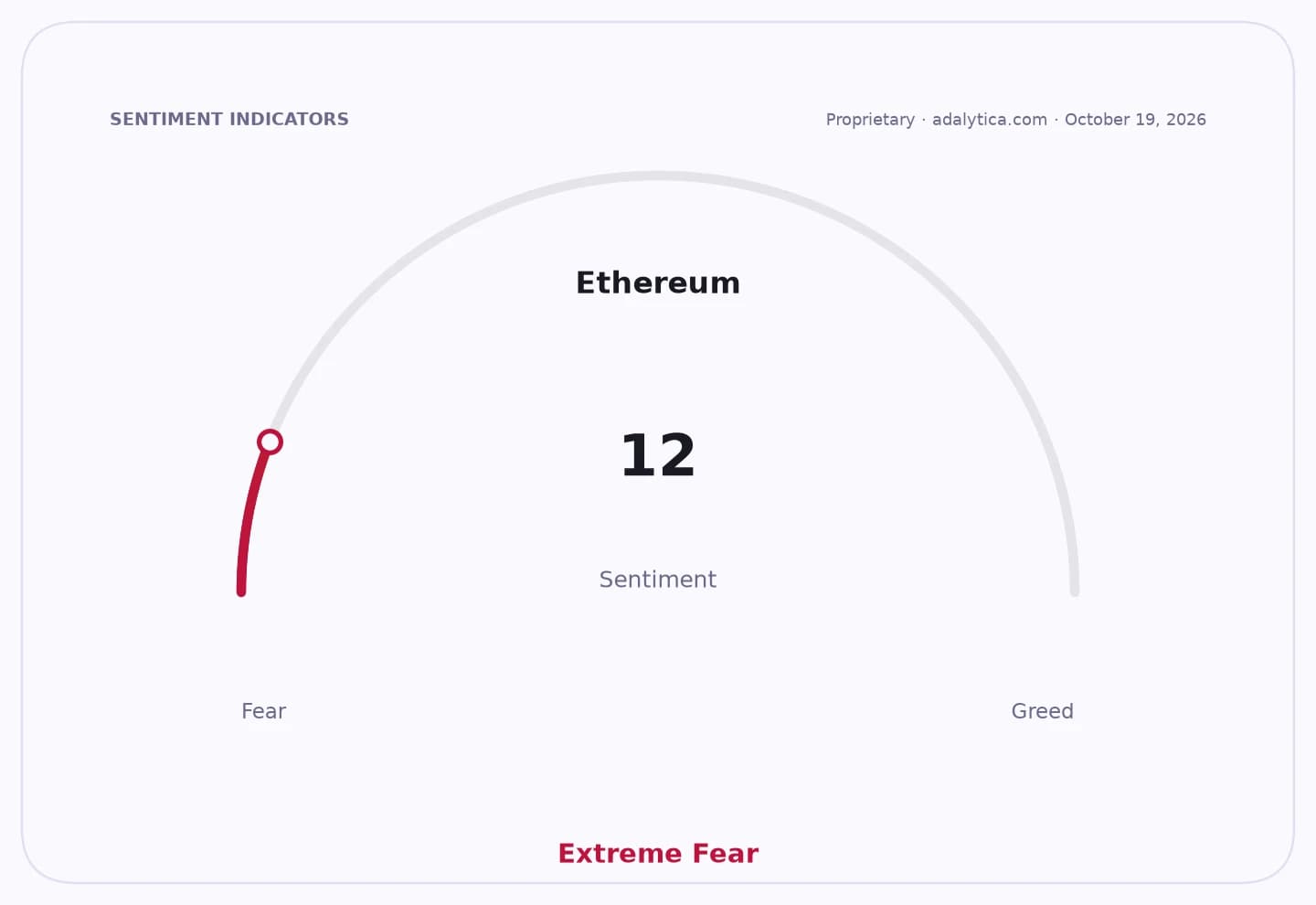
The broader backdrop remains mixed for crypto risk appetite. Bitcoin sentiment tracked by Adalytica.com sits in “Fear” territory even after a one-day rebound, while equity markets more generally show extreme caution, suggesting that new distribution channels may matter more for long-term adoption than for immediate speculative flows. The next test will be how quickly the Sparkassen rollout expands and whether customers actually use their bank apps to trade volatile digital assets in meaningful size.
| Entity | Gains | Losses |
|---|---|---|
| Sparkassen / Dekabank | ▲New fee stream, broader client access | ▼Higher compliance and reputational risk |
| Retail crypto buyers | ▲Easier bank-app access | ▼More exposure to volatility and total loss |
| Coinbase / Robinhood | ▲Validation of crypto demand | ▼Share of wallet to bank-led channels |
| Börse Stuttgart | ▲More trading and custody flow | ▼Greater scrutiny on crypto infrastructure |