Crypto exchange Bitget has closed access for users in Russia and Belarus, underscoring how sanctions pressure is reshaping the offshore digital-asset industry and narrowing access to one of the few cross-border financial channels still widely used by individuals in restricted markets.
Bitget blocks users in Russia and Belarus
The move matters because exchanges that serve global retail traders have become part of the enforcement perimeter for Western sanctions, especially as crypto platforms face closer scrutiny over know-your-customer rules, transaction monitoring and exposure to jurisdictions seen as high risk. For Russian and Belarusian users, the shutdown removes another venue for moving dollars, trading tokens and accessing liquidity outside the local banking system. For Bitget, it reduces regulatory and compliance risk, but also trims user growth in markets that have remained active despite restrictions.
Sentiment IndicatorsⓘProprietary · adalytica.com · October 20, 2026
This is a snapshot — live sentiment, awareness and momentum for 130+ markets update continuously in the dashboard.Open AlphaPulse
The decision comes against a broader backdrop of tightening sanctions enforcement and a more cautious stance among offshore financial firms. Crypto exchanges have repeatedly been pressed to block sanctioned entities and reduce access from regions tied to geopolitical risk. In practice, that has turned market access itself into a compliance issue: platforms that fail to act can face correspondent banking problems, payment rails disruption or future regulatory penalties.
Investors in the sector are likely to read the move as another sign that scale is no longer enough for crypto exchanges. Growth in user numbers and trading volume can be offset by rising legal, licensing and surveillance costs. That dynamic is especially relevant for platforms dependent on cross-border retail activity, where margins can compress quickly if customer acquisition is offset by higher compliance spend or account closures. The message to rivals is that regulatory optionality is shrinking.
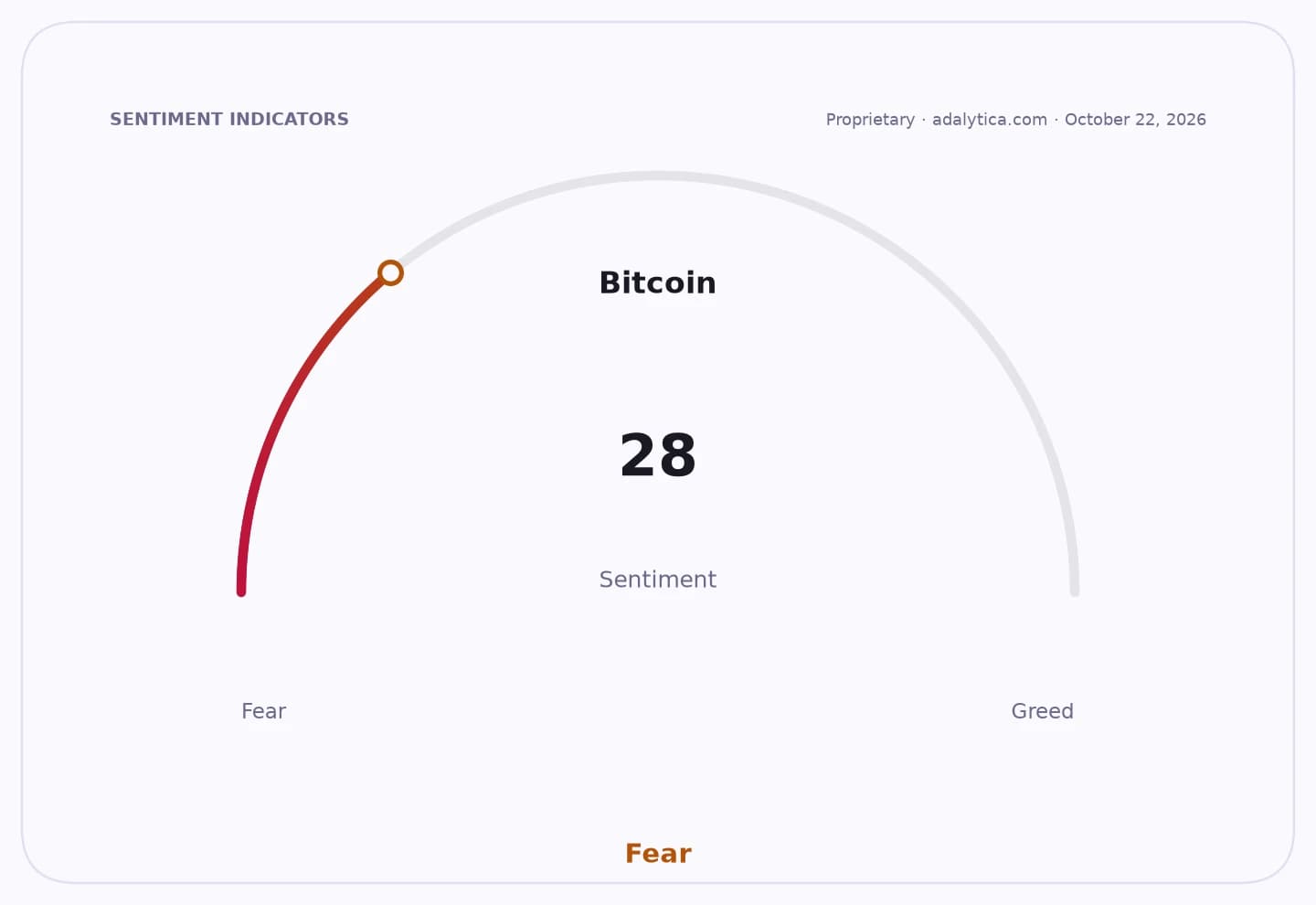
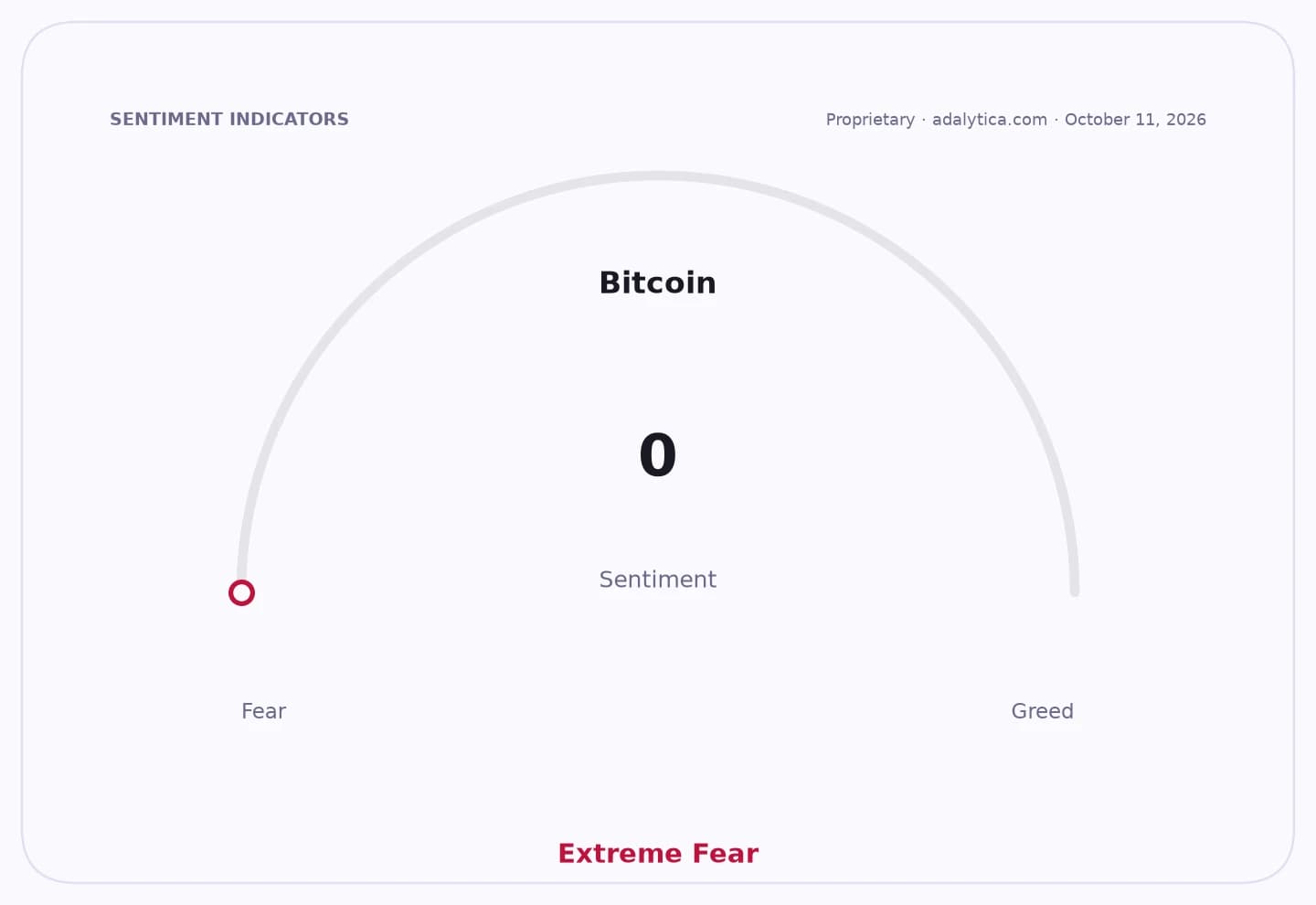
The market backdrop in crypto is already fragile. Bitcoin sentiment, as measured by Adalytica’s Bitcoin Fear & Greed Index, is in “Extreme Fear” at 10, even as awareness remains elevated, a combination that often reflects high attention but low conviction. Bitcoin was little changed at $36.44 in the latest data, while Coinbase shares have retreated to $170.04 after earlier strength, leaving the stock below its 50-day and 200-day moving averages in the most recent sessions. That suggests investors are still pricing the sector with caution even before any company-specific shock.
For Bitget, the immediate benefit is lower sanctions exposure and a cleaner compliance profile. The cost is lost traffic from a region where users have often relied on crypto rails when traditional finance is constrained. For the wider industry, the episode reinforces a simple conclusion: in crypto, geopolitics now affects market access as directly as price action does.
| Entity | Gains | Losses |
|---|---|---|
| Bitget | ▲Lower compliance risk | ▼User and volume loss |
| Western regulators | ▲Stronger sanctions enforcement | ▼Less market flexibility |
| Russian and Belarusian users | ▲— | ▼Fewer offshore trading options |
| Rival exchanges | ▲Potential share gains | ▼Higher scrutiny across sector |