Solana’s new Shanghai office is a sign the crypto industry is still hunting for access to China’s capital, developers and users even as Beijing keeps digital-asset business officially off-limits.
Solana Opens Shanghai Office
The splashy move matters because Solana is not just opening a branded workspace in one of Asia’s most important financial hubs; it is effectively stress-testing how far a global blockchain network can push into the world’s second-largest economy without a formal onshore crypto market. That has implications for where developer talent congregates, where liquidity and trading interest eventually surface, and which platforms are best placed if China’s stance ever softens or becomes more unevenly enforced.
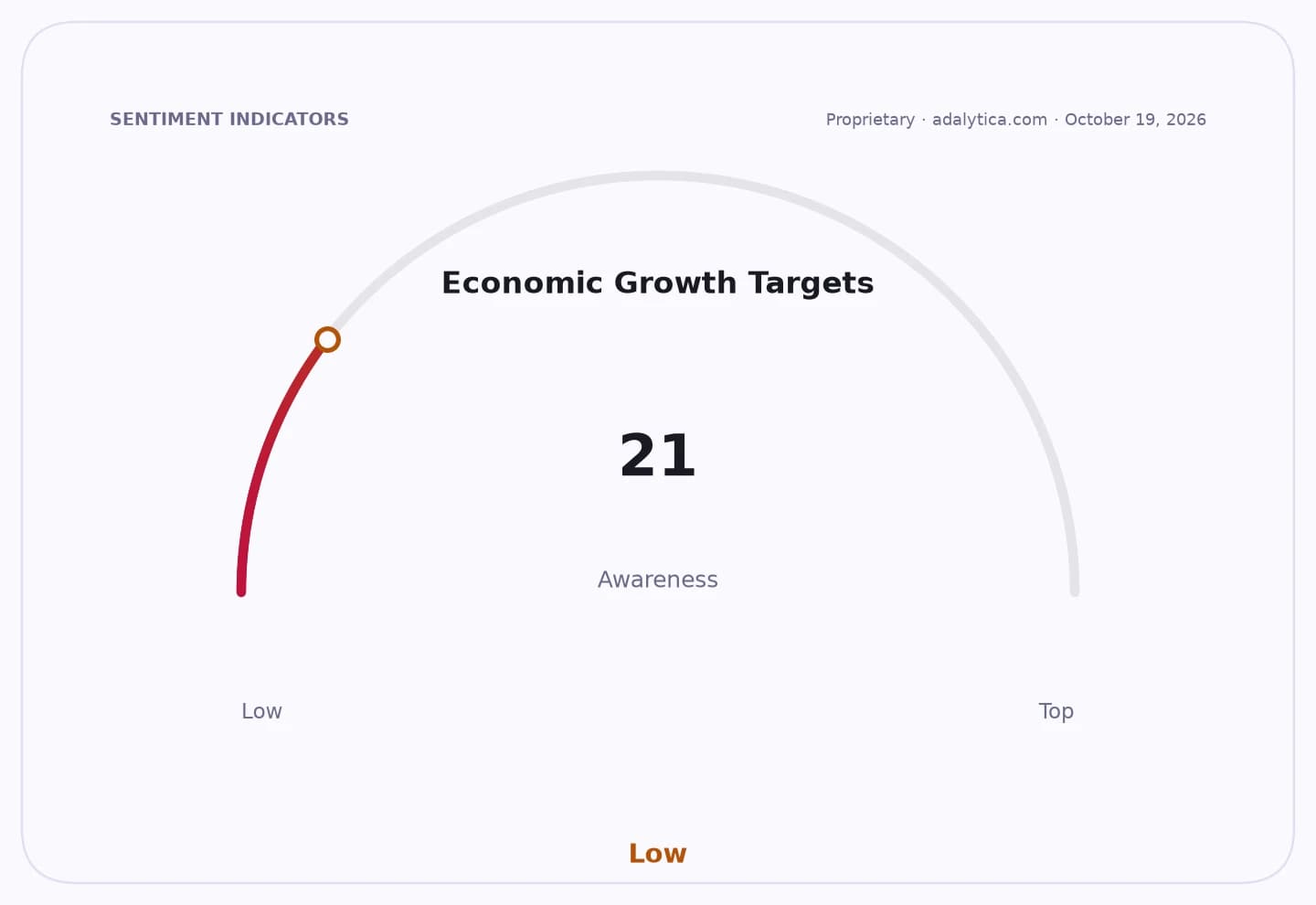
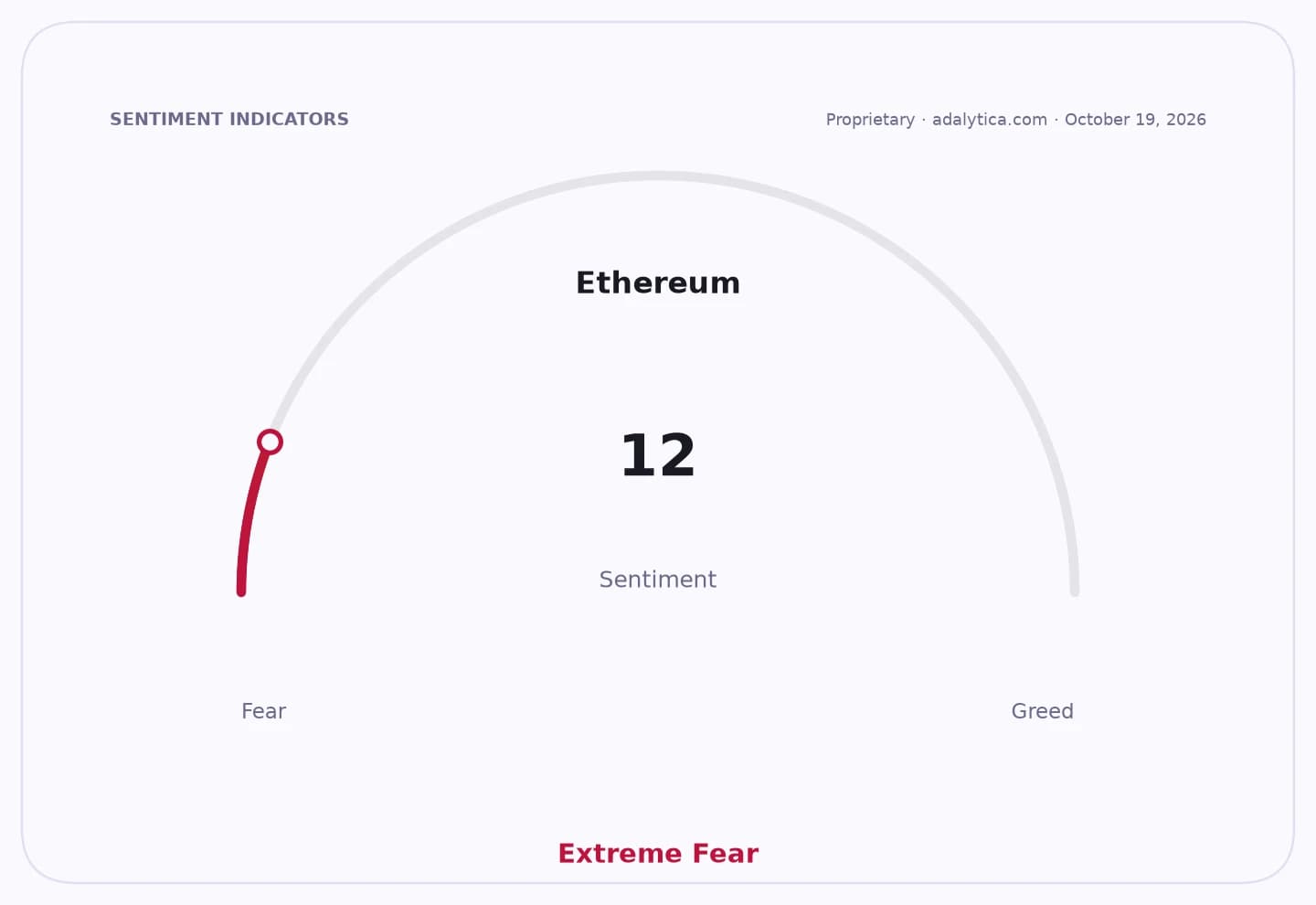
Sentiment IndicatorsⓘProprietary · adalytica.com · October 18, 2026
This is a snapshot — live sentiment, awareness and momentum for 130+ markets update continuously in the dashboard.Open AlphaPulse
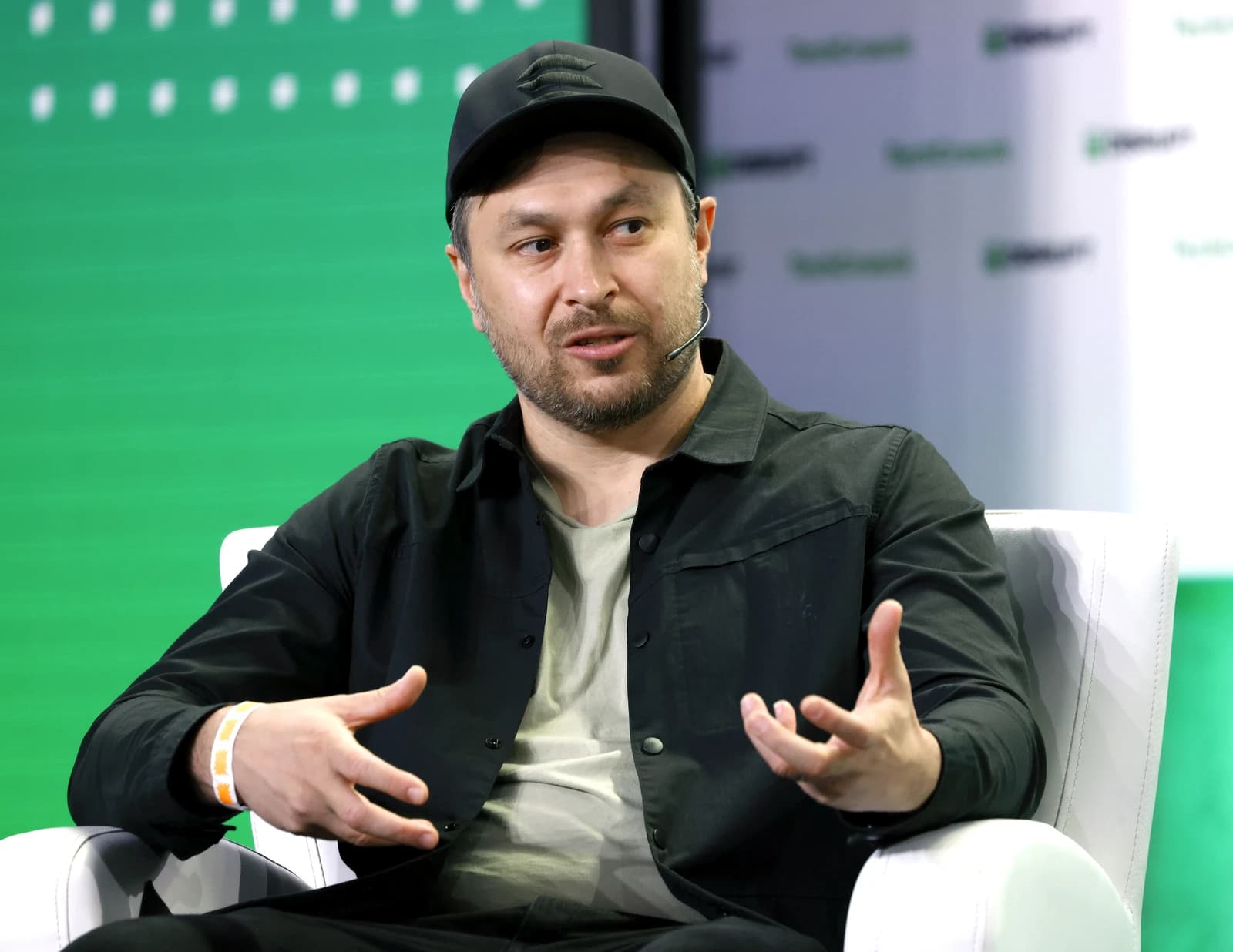
Executives publicized the opening with videos of the Pudong office and grand-opening signage, underscoring that this was meant to be seen. Solana Foundation chief product officer Vibhu Norby called it “the highest commercially available office space in the world,” a message aimed as much at the crypto community as at any local audience.
The timing also highlights a broader geopolitical undercurrent. As US-China tech rivalry deepens, digital infrastructure projects with global reach are increasingly being read through a strategic lens. Even without a legal pathway for crypto trading in China, a physical presence can help a network court builders, partners and influencers in the region, while signaling that the battle for the next layer of internet infrastructure is not confined to Silicon Valley.
For investors, the real question is not whether Solana can suddenly crack China — it cannot, at least not under current rules — but whether the network can keep widening its developer moat and brand reach in markets that still matter for adoption. That is why this kind of move can be more important than it looks: the market often prices crypto assets on near-term trading flows, while the long-term winner is usually the ecosystem that keeps attracting builders, applications and institutional mindshare.
Solana’s token has been under pressure, closing at 104.17 on Oct. 18, with the 50-day moving average at 109.32 and the 200-day moving average at 87.57. RSI readings near 19 suggest the token is deeply oversold, even as the MACD remains negative. In plain terms, sentiment is washed out, but the network is still trying to expand its strategic footprint.
Bitcoin and ether have also been soft, reinforcing that this is a sector-wide risk-off phase rather than a Solana-only story. Adalytica’s Bitcoin Fear & Greed Index sat at 27, in “Fear,” while Ethereum’s was 19, also in “Fear,” though its awareness reading remained at an “Extreme Greed” level, suggesting attention is still high even as price momentum has faded.
That split between depressed prices and persistent attention is exactly where asymmetric opportunities can emerge. If the market is too focused on regulatory headlines and too little on ecosystem positioning, then the winners are likely to be the chains that keep building global optionality while others wait on clearer rules.
My thesis is simple: Solana’s Shanghai office is not about near-term China revenue, it is about securing long-duration relevance in the global crypto stack. If you believe the next bull cycle will reward networks with the strongest developer gravity and brand reach, then Solana deserves a spot on the watchlist — and possibly in a high-conviction basket before the market wakes up to the second-order effects.
| Entity | Gains | Losses |
|---|---|---|
| Solana | ▲Global brand reach | ▼Regulatory clarity risk |
| Chinese developers | ▲Potential ecosystem access | ▼Formal onshore access |
| Competing layer-1 chains | ▲— | ▼Attention and developer share |
| Short-term crypto skeptics | ▲— | ▼Optionality if adoption widens |