The European Central Bank’s warning that quantum computing could break today’s cryptography is sharpening the case for a faster overhaul of financial plumbing, from SWIFT and bank messaging rails to blockchains and digital assets such as Solana and Bitcoin.
ECB Quantum Warning Reopens Crypto Security Debate
That matters because the debate around a so-called quantum financial system, or QFS, is no longer just speculative crypto lore. The ECB is effectively saying that the current security assumptions underpinning payments, custody and settlement are not guaranteed over the medium term, and that has implications for every network that depends on public-key encryption, from global bank messaging to token transfers.
Sentiment IndicatorsⓘProprietary · adalytica.com · October 5, 2026
This is a snapshot — live sentiment, awareness and momentum for 130+ markets update continuously in the dashboard.Open AlphaPulse
For SWIFT, the issue is not that the network itself moves money — it does not — but that it sits at the center of a cross-border system already under pressure from slower, costly correspondent banking and rising geopolitical fragmentation. SWIFT says it serves more than 11,000 institutions in over 200 countries, yet payments can still take one to five business days and pass through multiple intermediaries. If quantum computing accelerates the move toward quantum-resistant standards, banks will face another round of expensive infrastructure upgrades on top of ongoing compliance and messaging modernization.
The same dynamic reaches crypto markets, where the promise of “instant, inviolable” transfers is colliding with a more sober reality: the security stack underneath major networks will need to evolve. Solana, for example, has recovered from a sharp drawdown — closing at $121.00 on Oct. 5 after trading as low as $78.19 in February — but the token remains sensitive to whether investors believe high-throughput blockchains can keep pace with institutional-grade security demands. Its 50-day moving average at $104.68 is now below spot, while the 200-day average at $85.95 suggests the trend has improved, even as the broader question of cryptographic resilience remains unresolved.
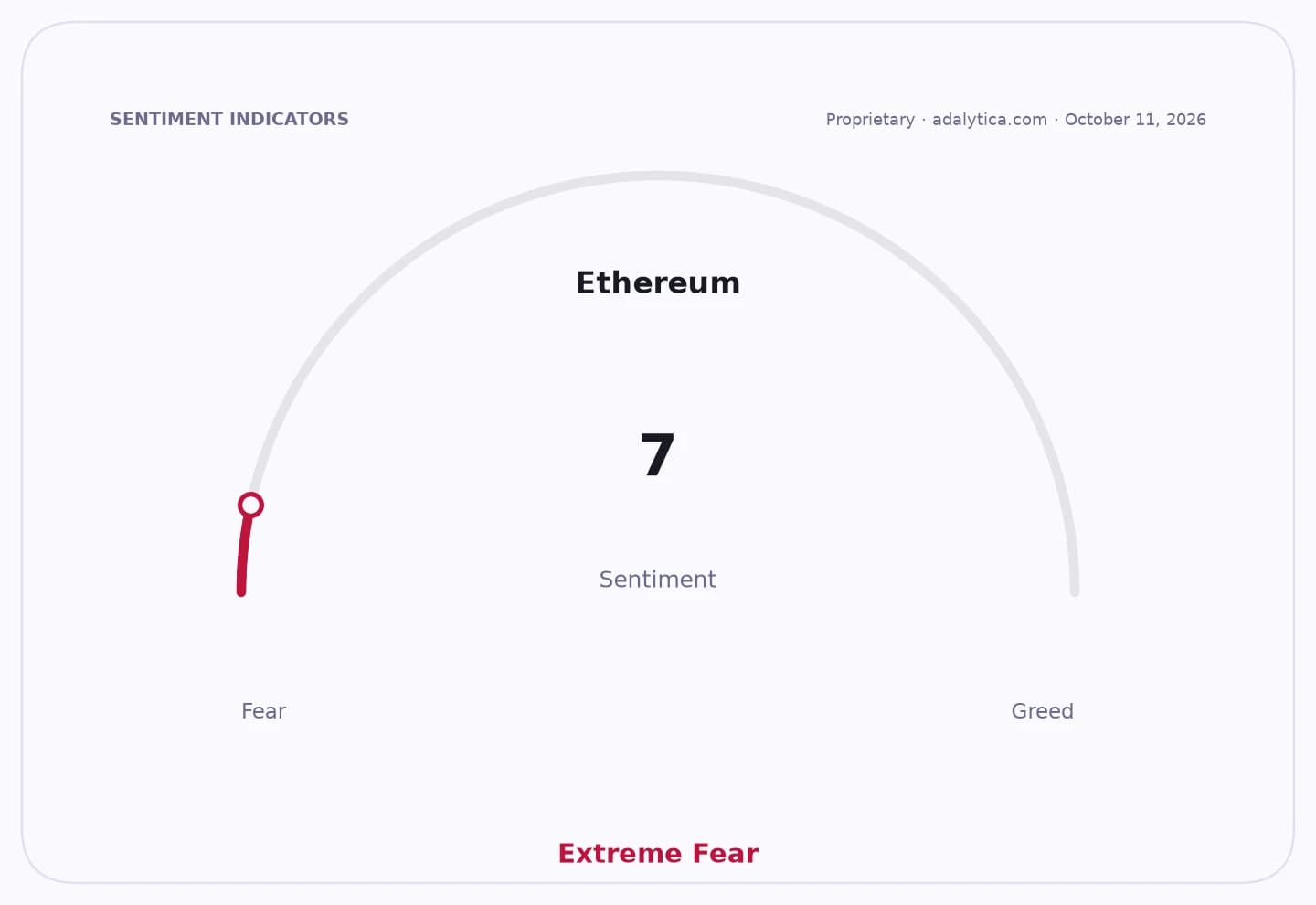
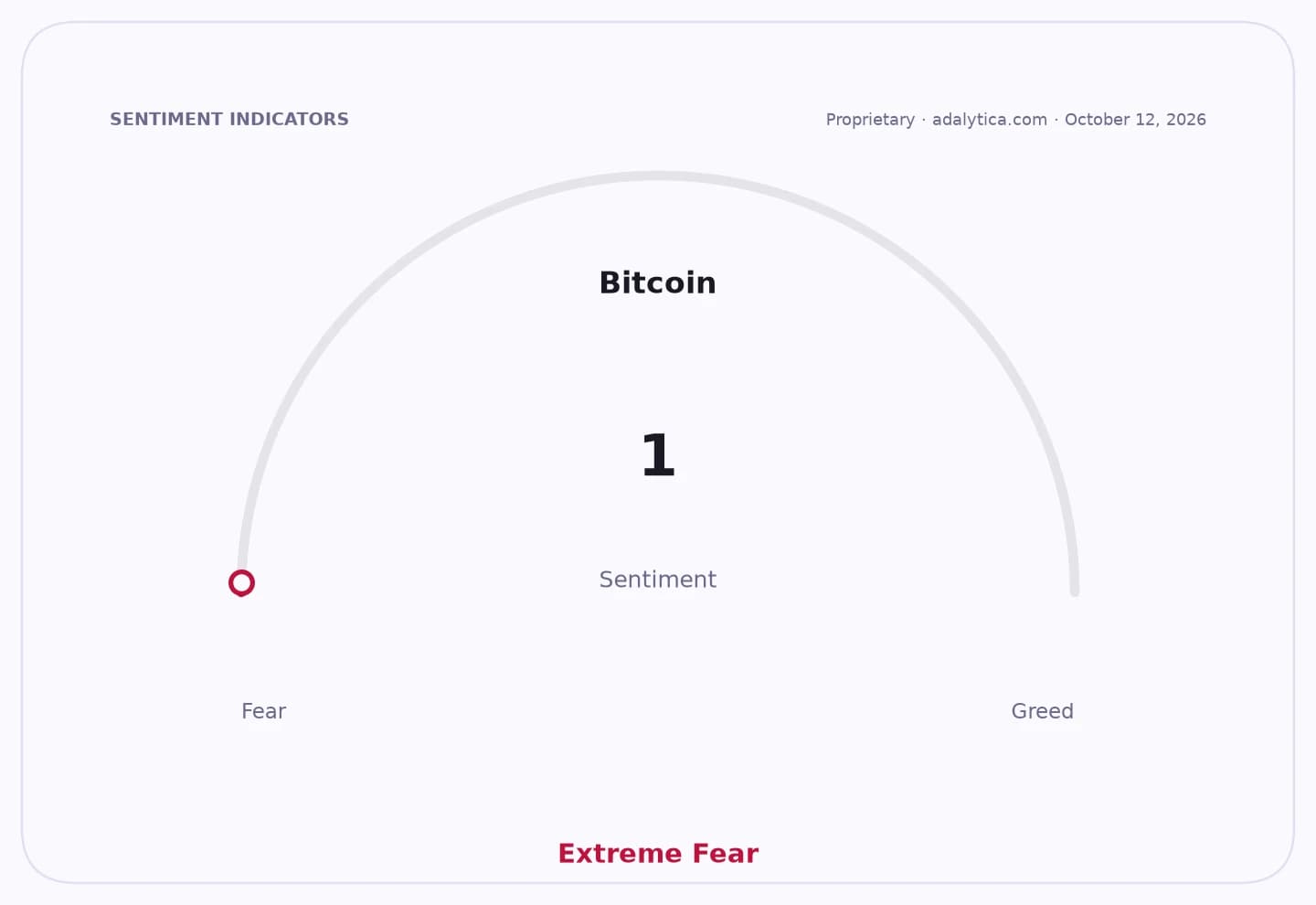
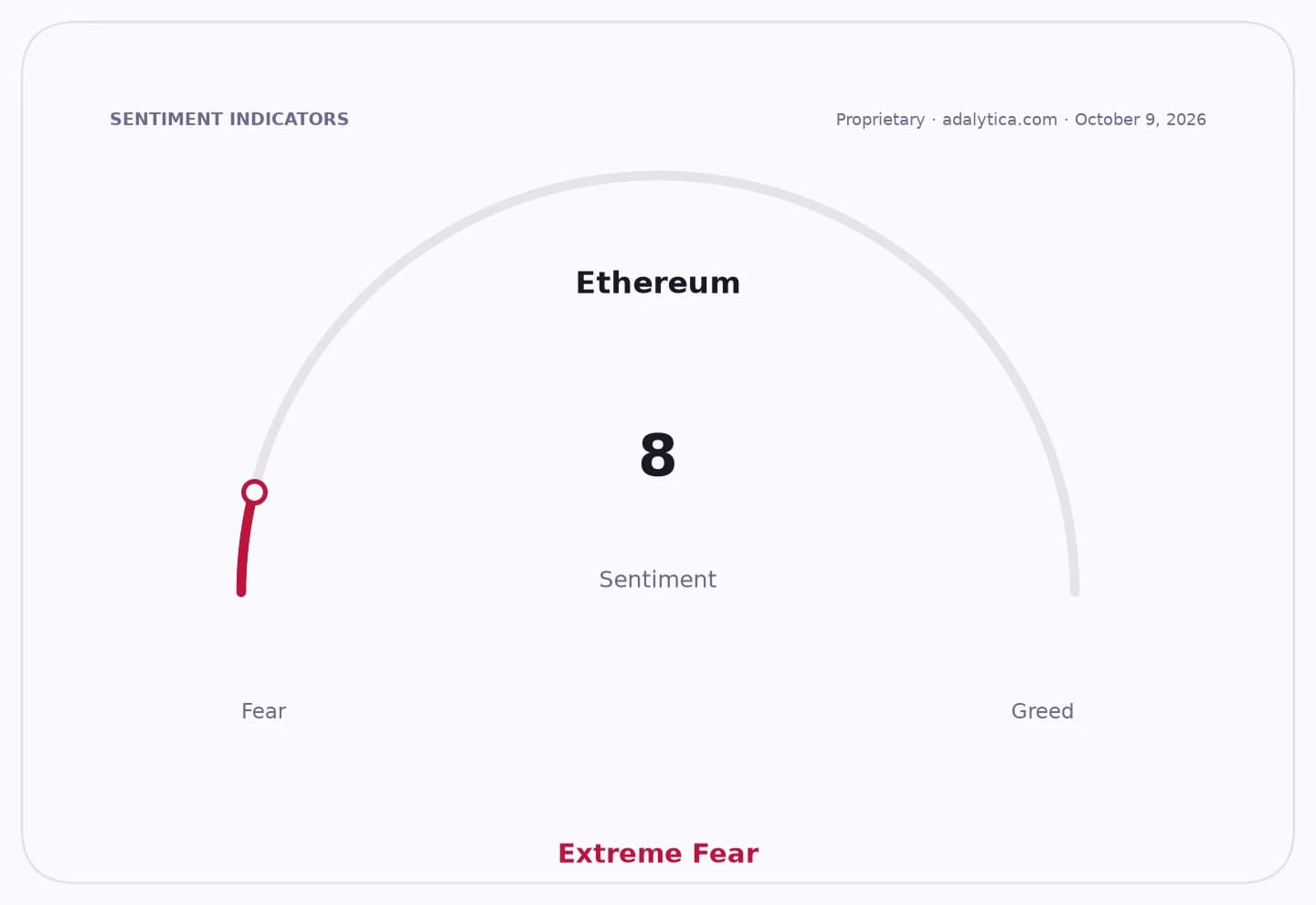
Bitcoin and Ethereum are seeing that tension reflected in sentiment, not just price. Adalytica’s Bitcoin Fear & Greed Index stood at 65, or neutral, after swinging lower over the past week, while Ethereum’s reading was 83, in greed territory. That shows speculative appetite is still present, but also that investors are increasingly likely to distinguish between networks seen as technologically durable and those that could face future security or governance costs as quantum risks become more concrete.
Publicly listed crypto proxies are pricing in that split. Coinbase closed at $183.00 on Oct. 2, down from $189.29 a day earlier, while quantum computing names such as Quantum Computing Inc. remain volatile at $8.18, far below their February and May peaks. The market is effectively assigning two different option values: one to the crypto rails that may benefit if financial infrastructure is rebuilt for a quantum era, and another to the hardware and software firms that could sell the tools needed to defend it.
The bigger narrative is that QFS is less a finished product than a forcing function. Whether the eventual winners are SWIFT’s modernization efforts, central bank digital currencies, quantum-resistant blockchains or entirely new payment systems, the financial industry is moving toward an environment where encryption strength becomes a balance-sheet issue. Investors should watch for adoption of quantum-safe protocols, fresh CBDC testing, and whether crypto platforms can prove they can secure scale without sacrificing speed.
| Entity | Gains | Losses |
|---|---|---|
| Quantum-security vendors | ▲More demand | ▼Legacy cryptography |
| SWIFT and banks | ▲Time to modernize | ▼Status quo systems |
| Solana and crypto networks | ▲Narrative tailwind | ▼Security skepticism |
| CBDCs and alternative rails | ▲Strategic relevance | ▼Dependence on old messaging systems |