Ethereum’s core researchers are urging the industry to prepare for a controlled migration of funds and keys as concern grows that artificial intelligence could accelerate a future break of the ECDSA signature scheme before quantum computers arrive.
Ethereum Researchers Urge Key Migration Over ECDSA Risk
The call from Ethereum Foundation researcher Justin Drake matters because it shifts the security conversation from a distant quantum-computing problem to a nearer-term operational risk for holders, custodians and exchanges. In Drake’s framing, the threat is not that AI has already cracked Bitcoin or Ethereum, but that machine learning and conventional hardware could one day help attackers recover private keys from exposed public keys fast enough to drain wallets.
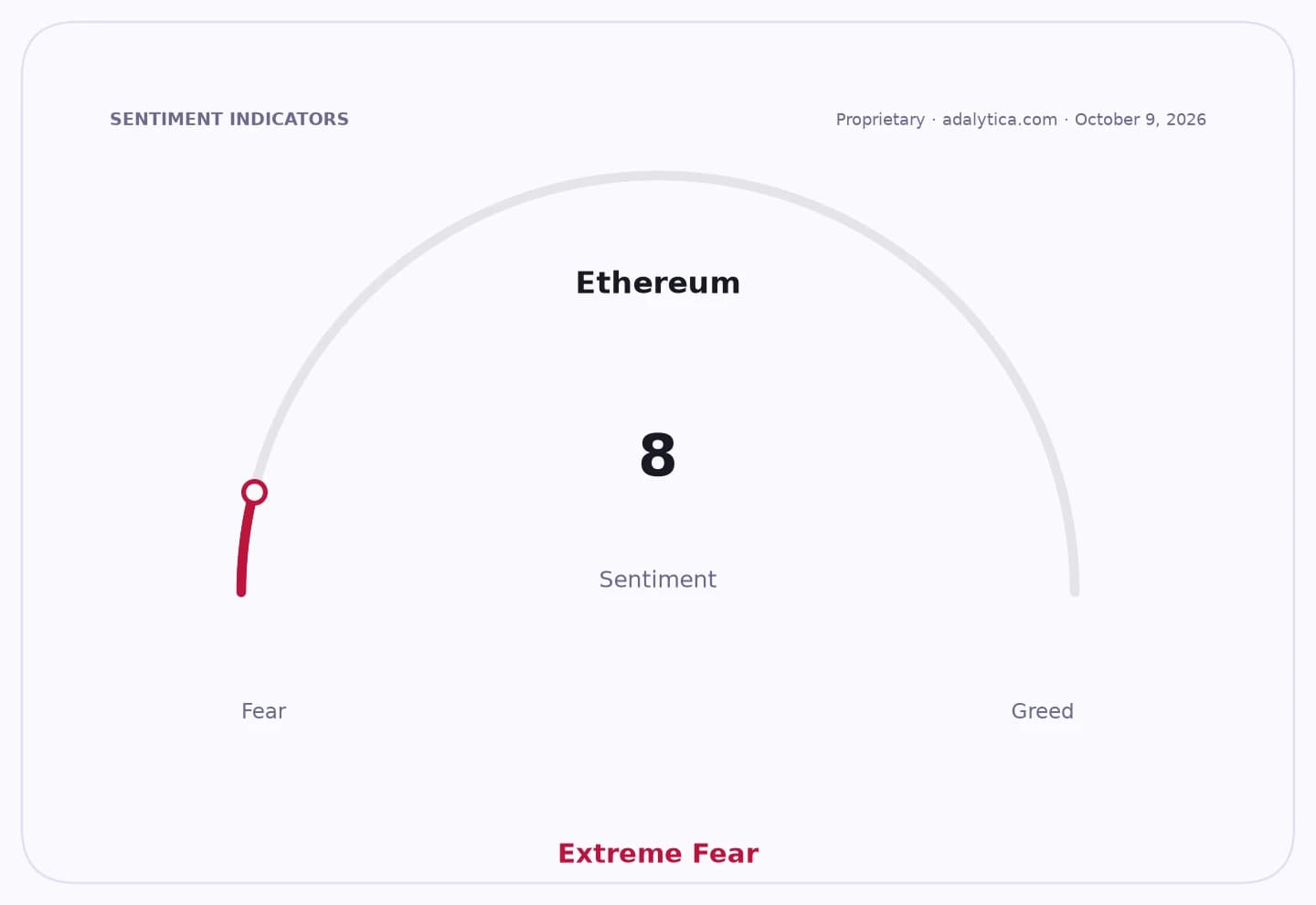
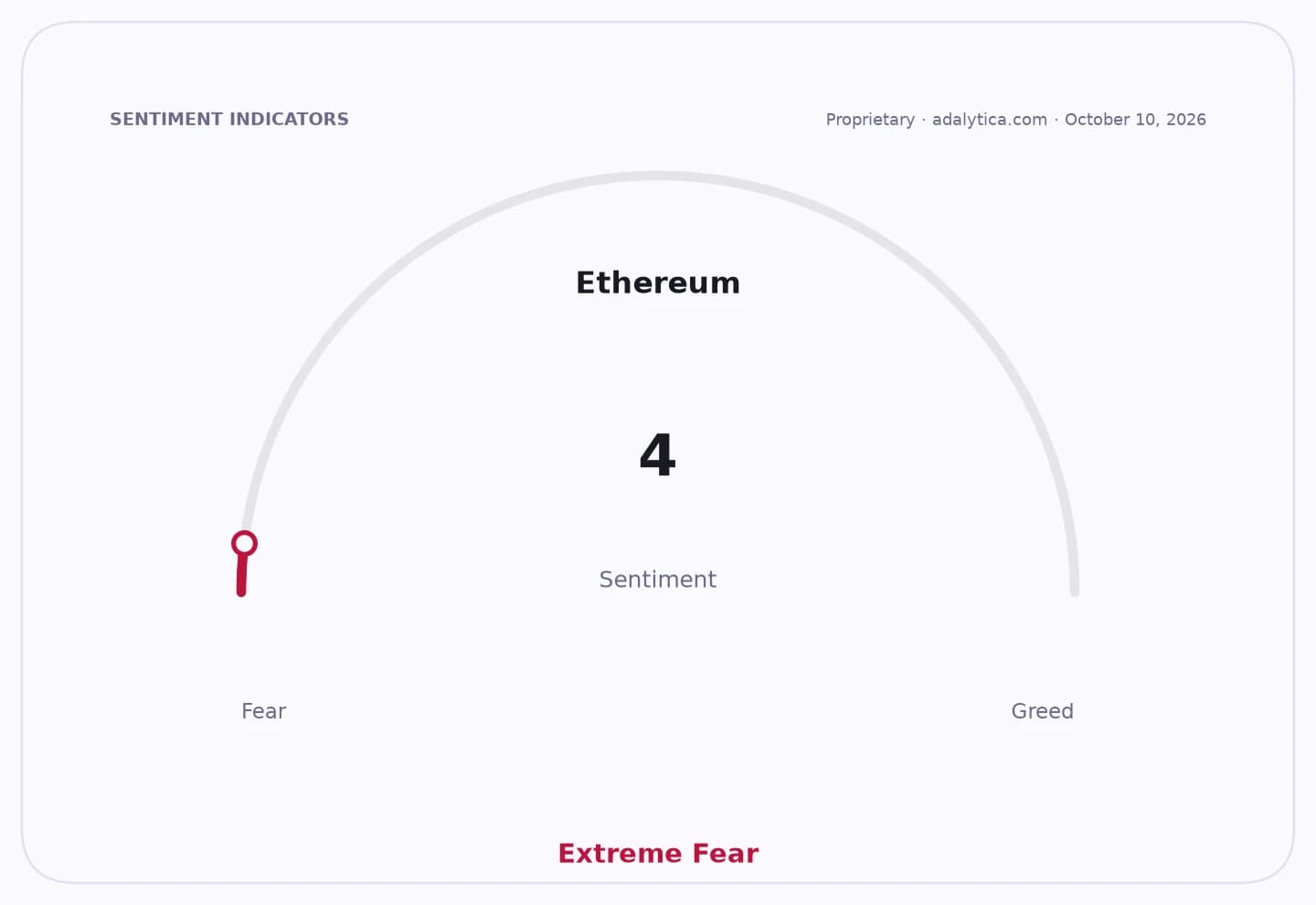
Sentiment IndicatorsⓘProprietary · adalytica.com · October 9, 2026
This is a snapshot — live sentiment, awareness and momentum for 130+ markets update continuously in the dashboard.Open AlphaPulse
That is a material issue for the crypto market because Ethereum and Bitcoin both rely on ECDSA to verify ownership. Once an address signs a transaction, its public key becomes visible on-chain. Drake’s proposal would encourage holders, starting with larger balances, to move assets to fresh addresses whose public keys have never been exposed, reducing the pool of accounts that could theoretically be attacked if the cryptography were compromised.
The economic significance is less about an immediate network failure than about confidence in custody, settlement and store-of-value use cases. If investors begin to believe existing wallet hygiene is insufficient, exchanges, funds and stablecoin issuers could face higher operational costs, more stringent key-management requirements and pressure to accelerate post-quantum upgrades. That could widen the divide between better-capitalized institutions able to upgrade controls and smaller holders or service providers with weaker security practices.
Ethereum’s price action shows a market already in defensive mode. ETH was trading around $2,481 on Friday, down from $2,573 a day earlier and below its 50-day moving average near $2,554, while its relative strength index sat at 24.9, a reading typically associated with oversold conditions. The MACD remained below its signal line, reinforcing a weak near-term trend. Bitcoin traded around $82,402, holding above its 50-day average near $80,716 but still well below the levels that prevailed before the latest slide.
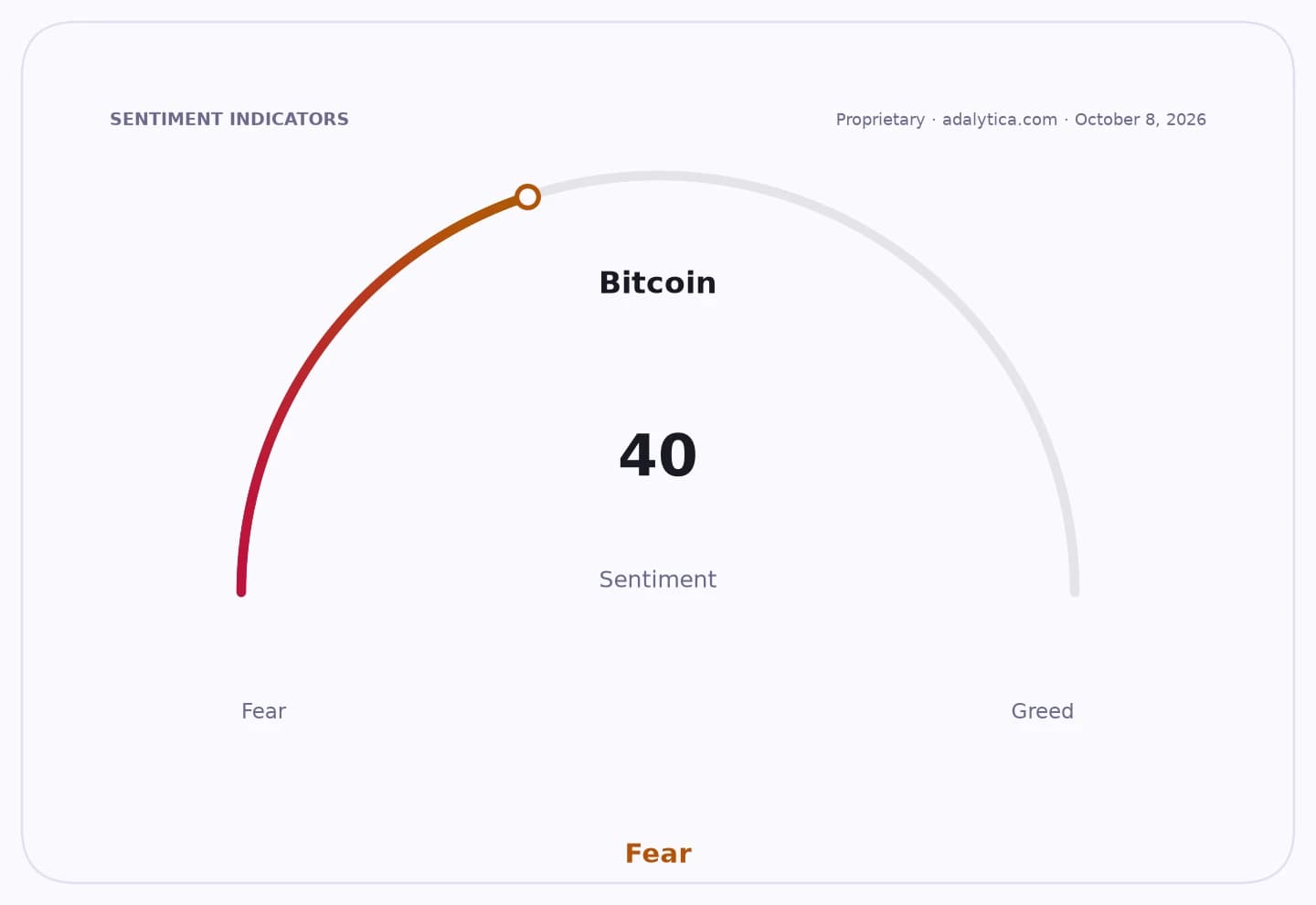
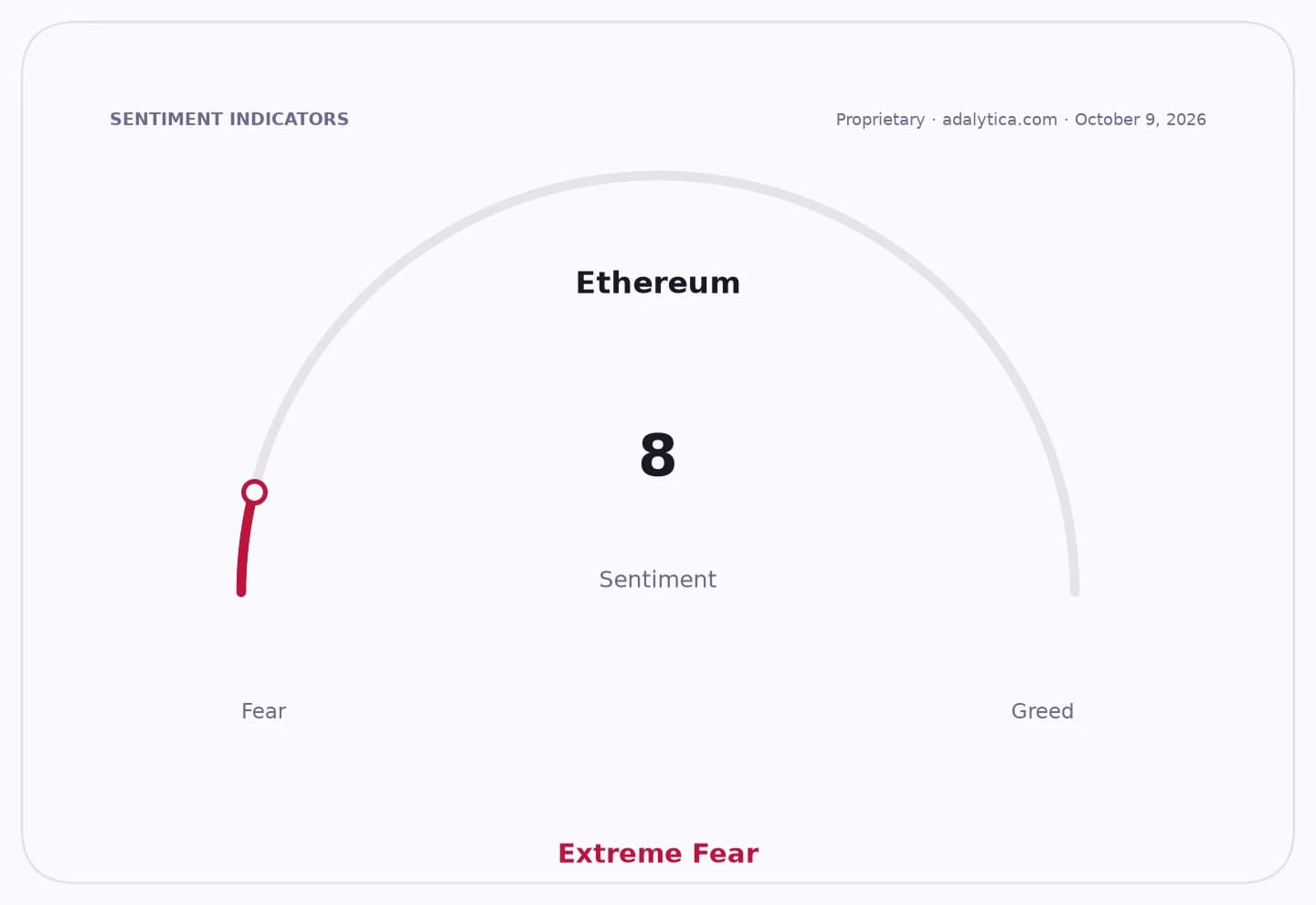
The market backdrop is also consistent with rising caution. Adalytica’s Ethereum Fear & Greed Index showed “Extreme Fear” at 8, with awareness at 30, while Bitcoin sentiment sat at 40, or neutral, even as awareness remained in “Extreme Fear.” That combination suggests traders are alert to tail risks even if they are not pricing a full-blown cryptographic event.
Drake’s recommendation is not a call to abandon Ethereum’s existing stack. He said users would not need new cryptography or new wallets to move funds, and he urged major platforms including Binance, Robinhood, Bitfinex, Bitbank and Tether to tighten cold-storage controls. He also framed the issue as a controlled, gradual migration rather than an emergency shutdown, reflecting a desire to avoid panic selling or chaotic on-chain movements.
For investors, the key question is whether this becomes a roadmap item or a narrative risk. The bull case is that the discussion pushes Ethereum toward a more credible long-term security posture, especially as its foundation has already set up a post-quantum team and Vitalik Buterin has previously outlined quantum-resistant directions. The bear case is that even an unproven threat can weigh on sentiment, raise custody costs and deepen scrutiny of the sector’s resilience at a time when confidence is already fragile.
The next catalyst will be whether Ethereum developers translate the warning into a formal migration framework and whether large exchanges and custodians disclose stronger key-protection plans. Until then, “bunker mode” is less a prediction of imminent compromise than a signal that crypto’s security model is being stress-tested earlier than many investors expected.
| Entity | Gains | Losses |
|---|---|---|
| Ethereum developers | ▲Security roadmap urgency | ▼Pressure to deliver faster upgrades |
| Large exchanges/custodians | ▲Stronger control narrative | ▼Higher cold-storage and compliance costs |
| Long-term ETH holders | ▲Lower exposure to future key risk | ▼Near-term migration burden |
| Weakly secured wallets | ▲Potential chance to harden | ▼Highest theoretical attack risk |