Bitcoin’s latest Coldcard recovery is a reminder that in crypto, the biggest long-term winners may be the projects and platforms that make ownership safer, not just bigger.
Bitcoin Coldcard exploit recovery moves 52.37 BTC
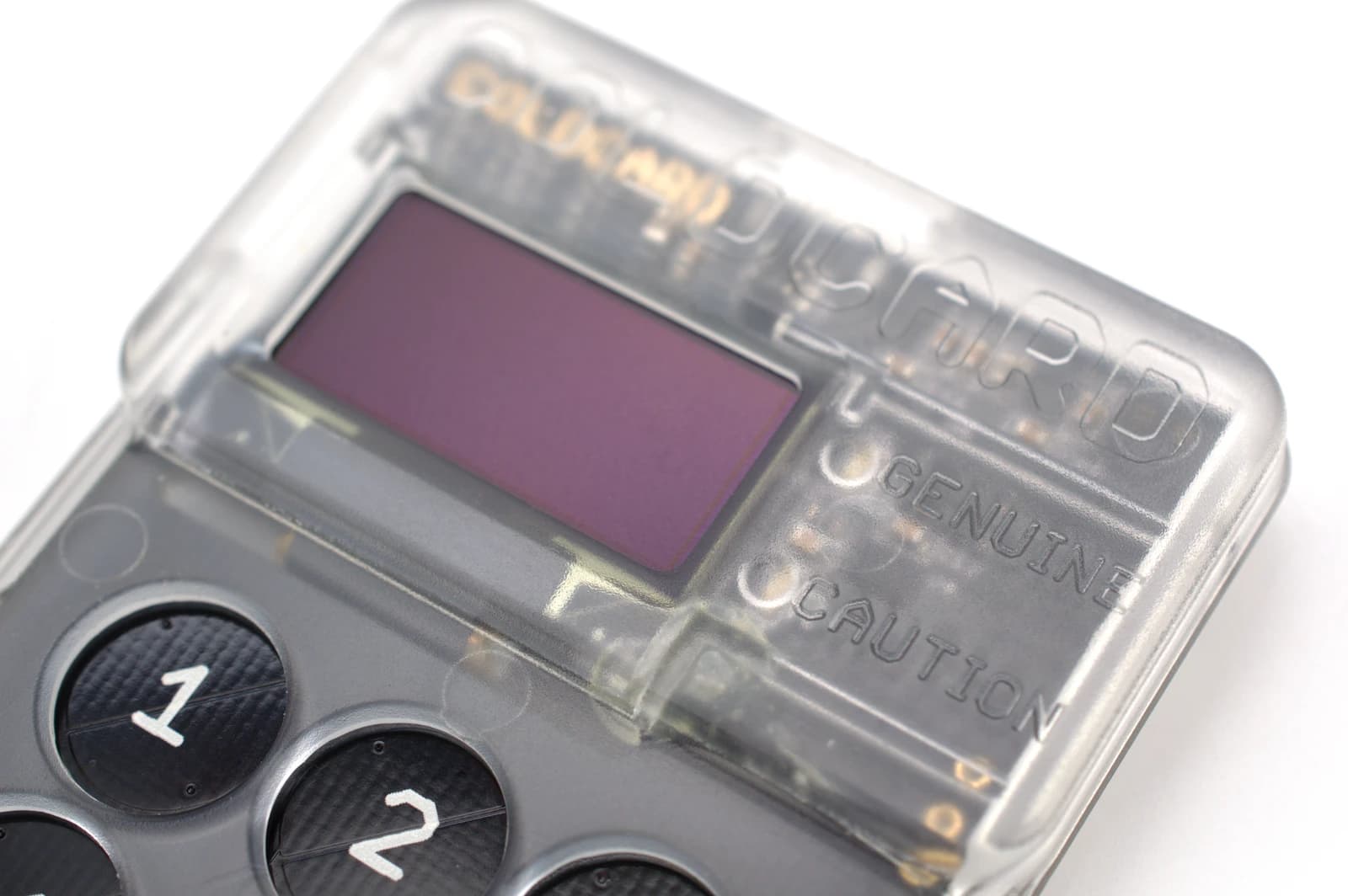
White-hat researchers have now moved 52.37 bitcoin from wallets tied to the Coldcard exploit into an address controlled by the Crypto Recovery Trust, according to Galaxy’s head of firmwide research, Alex Thorn. The transaction included an on-chain message directing victims to claimcryptorecoverytrust.com, underscoring that this was not just a funds transfer but part of an organized recovery effort after the July 30 exploit.
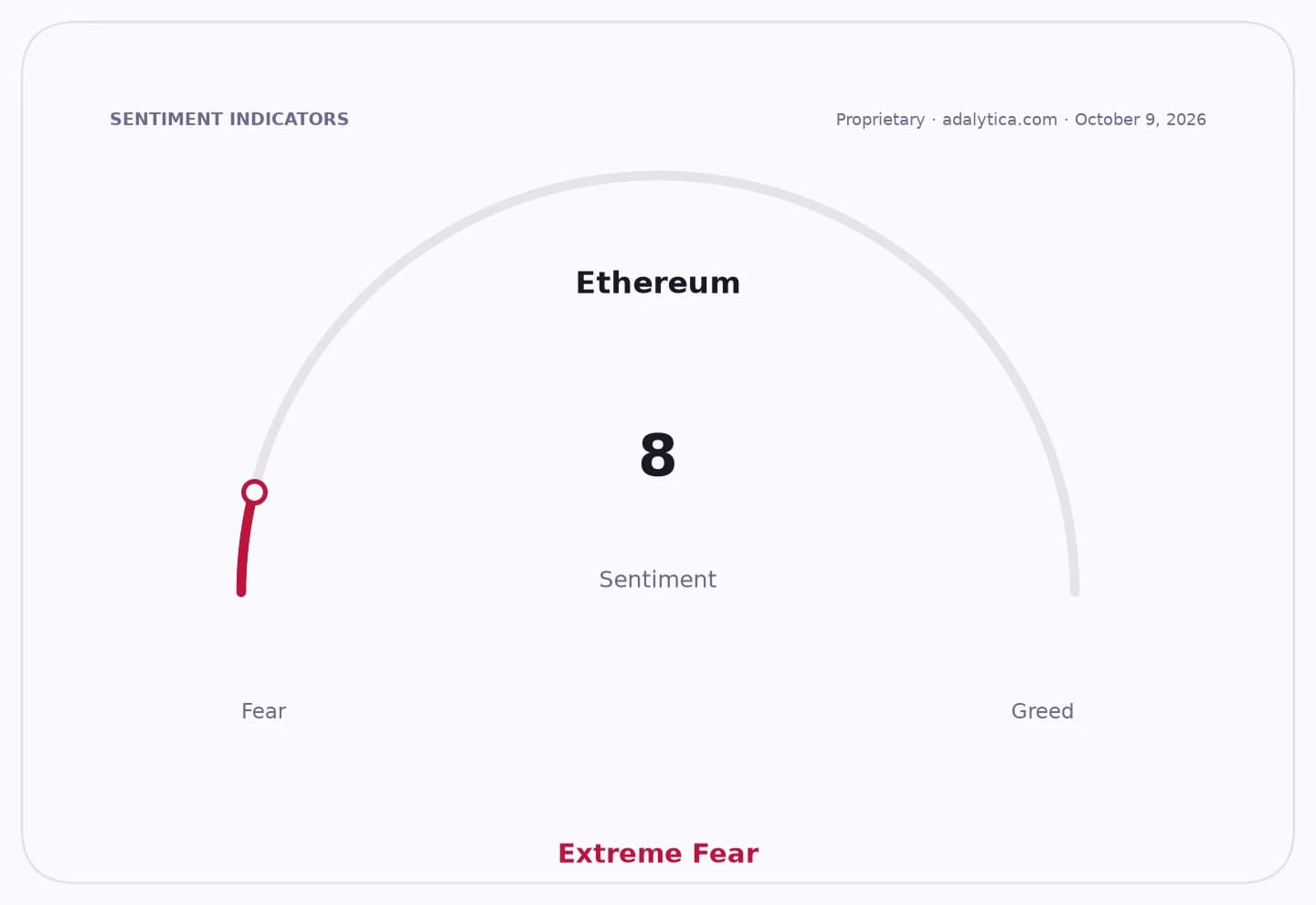
Sentiment IndicatorsⓘProprietary · adalytica.com · September 26, 2026
This is a snapshot — live sentiment, awareness and momentum for 130+ markets update continuously in the dashboard.Open AlphaPulse

That matters economically because every major wallet breach or recovery saga pushes the same lesson to the front of the market: trust is infrastructure. Bitcoin itself is not being rewritten here, but the behavior around it is. When users worry that weak wallets can be drained before they react, adoption slows at the edges, custodians gain more appeal, and security becomes part of the investment case for the entire digital-asset ecosystem.
The recovery appears to be partial and still murky. About 30.18 BTC came from Wave 2, roughly 17.98 BTC from Footprint AX, with smaller amounts from Footprints AA and AU and another 3.0134 BTC from an unidentified source. Thorn said researchers cannot confirm whether the remaining roughly 60% of Wave 2 was also moved by white hats, leaving open a basic question investors always care about after any crypto exploit: how much is truly recoverable, and how much is permanently gone?
So far, the tracked movements are sizable. Wave 1 still holds about 1,082.57 BTC untouched, while Wave 2 now totals about 76.09 BTC after some was shifted into the recovery trust and about 45.90 BTC remains held. Wave 3 accounts for roughly 214.07 BTC, with 116.98 BTC still held and the rest moved elsewhere. Altogether, the waves and tracked footprints account for about 1,393 BTC, or 76.1% of the published total COLDCARD-exploited funds.
For investors, the practical takeaway is not that Bitcoin’s investment thesis is broken. It is that custody, wallet design and recovery infrastructure remain major differentiators in a market still defined by self-sovereignty and cyber risk. That helps explain why exchanges, wallet providers and custodians continue to invest heavily in security even as Bitcoin trades near the middle of its recent range, with conventional technical indicators such as the 50-day and 200-day moving averages still well below current price and RSI readings showing a market that remains strong rather than washed out. Adalytica’s sentiment gauge also points to Extreme Greed, which can support price momentum but often leaves little room for complacency.
In other words, Bitcoin keeps proving its staying power — but the companies and services that help users hold it safely may be just as important over the next five to 10 years. For long-term investors, that makes crypto security a theme worth watching closely, and a reminder that in digital assets, the moat is often built around the keys.
| Entity | Gains | Losses |
|---|---|---|
| White-hat researchers | ▲Credibility and recovery success | ▼Noisy uncertainty around attribution |
| Crypto Recovery Trust | ▲More recovered BTC and visibility | ▼Ongoing scrutiny over remaining funds |
| Bitcoin holders | ▲Better security awareness | ▼Confidence shaken by exploit risk |
| Wallet and custody providers | ▲Stronger demand for secure storage | ▼Pressure to prove resilience |