Liquid Network said it suffered a hack that drained about $320 million in bitcoin, forcing the blockchain infrastructure firm to suspend new transactions and raising fresh questions about security across the digital-asset sector.
Liquid Network hack drains 4,000 bitcoin
The company said attackers took 4,000 of the 4,200 bitcoin in its Liquid Federation wallet, a theft that stands out because the funds were not taken through a stolen password or private key. Instead, they were withdrawn through SideSwap, a settlement platform authorized to process transfers from the network, underscoring how vulnerabilities in infrastructure can be just as damaging as breaches of individual wallets.
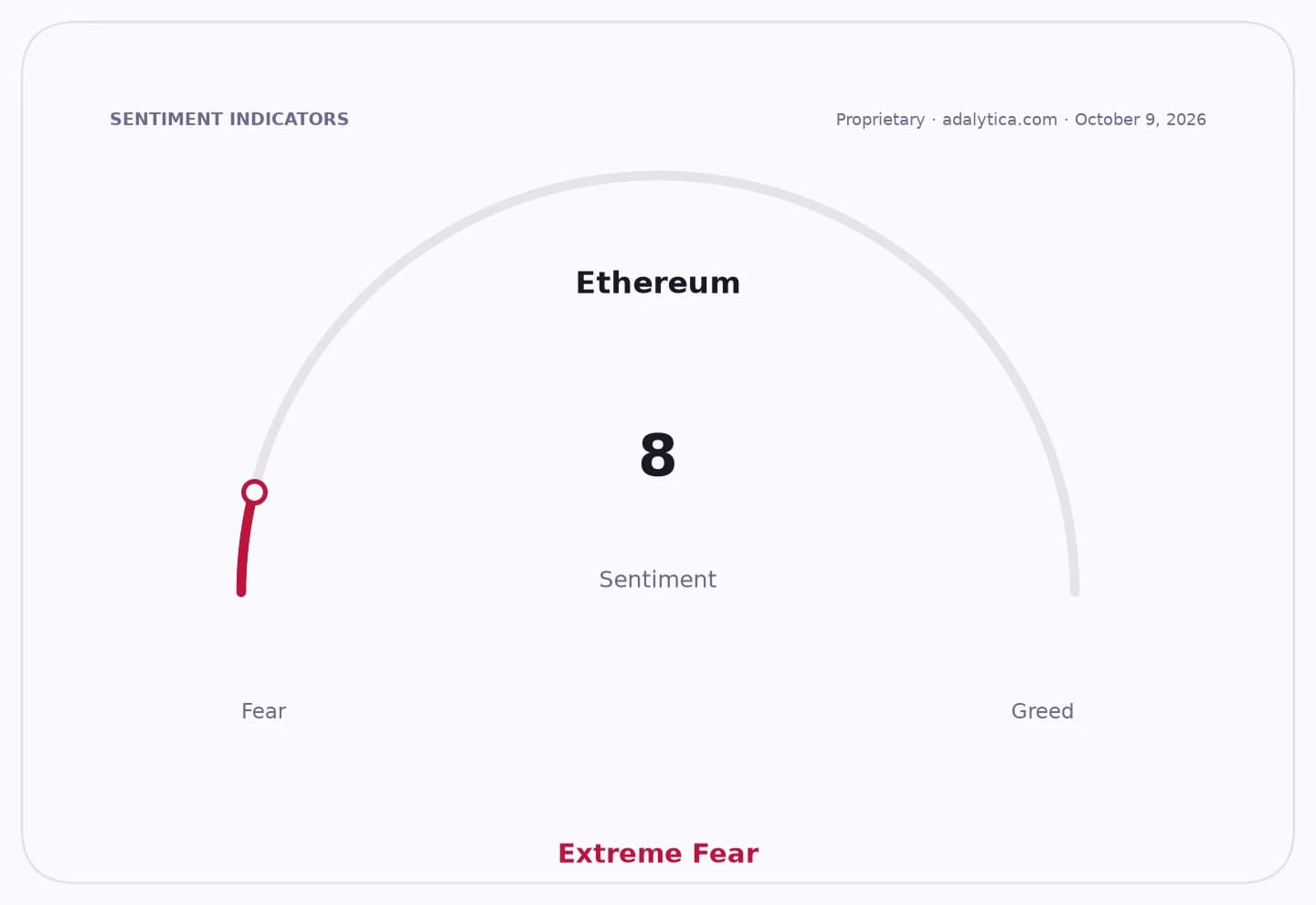
Sentiment IndicatorsⓘProprietary · adalytica.com · October 8, 2026
This is a snapshot — live sentiment, awareness and momentum for 130+ markets update continuously in the dashboard.Open AlphaPulse
The loss matters beyond the company itself because Liquid Network sits inside a wider ecosystem used by exchanges, infrastructure providers and asset managers to move bitcoin more quickly than on the base Bitcoin network. A successful exploit at that level can interrupt transactions for multiple counterparties and dent confidence in the plumbing that underpins crypto trading, settlement and liquidity.
Bitcoin was trading at $83,188.20 on Oct. 8, with its relative strength index at 43.2, below the neutral midpoint, while the Adalytica Bitcoin Fear & Greed snapshot showed neutral sentiment at 42 and extreme fear on awareness. That backdrop suggests the hack lands in a market already sensitive to negative security headlines and thin on conviction.
The incident also adds to a string of recent breaches across digital assets, including a $6 million theft from a lending platform tied to Crypto.com and a separate alarm around ColdCard, reinforcing the view that security risk remains a structural issue rather than an isolated event. For investors, that keeps pressure on exchanges, custodians and infrastructure providers to prove controls and incident response, while possibly widening the discount applied to smaller crypto-related businesses.
Blockstream-founded Liquid Network said members of its federation were working to restore normal operations, but the immediate focus now is whether the network can resume transfers without further disruption and whether counterparties pull back until the security review is complete. The next catalyst is likely to be the scope of the forensic review and any sign that other bitcoin service providers face similar vulnerabilities.
| Entity | Gains | Losses |
|---|---|---|
| Bitcoin security firms | ▲Higher demand for audits | ▼Fewer complacent clients |
| Exchanges and custodians with strong controls | ▲Trust premium | ▼Sector-wide skepticism |
| Liquid Network attackers | ▲Stolen bitcoin | ▼Potential pursuit/traceability |
| Crypto investors using infrastructure networks | ▲Better scrutiny | ▼Higher perceived breach risk |