South Korea’s biggest lenders are now confronting the market’s new cyber risk premium: AI-assisted attacks that investigators say may have affected as many as 67,000 customers across six major banks, turning a security breach into a potential earnings and valuation problem for the country’s financial sector.
South Korea banks face AI cyber risk after breach
The immediate economic issue is not just stolen data. It is the cost of response, legal exposure and the possibility that lenders will be forced to spend more on defenses just as regulators tighten scrutiny. When banks have to declare security emergencies, the damage goes beyond incident cleanup and starts to hit trust, deposit behavior and operating leverage — the very metrics that support bank valuations.
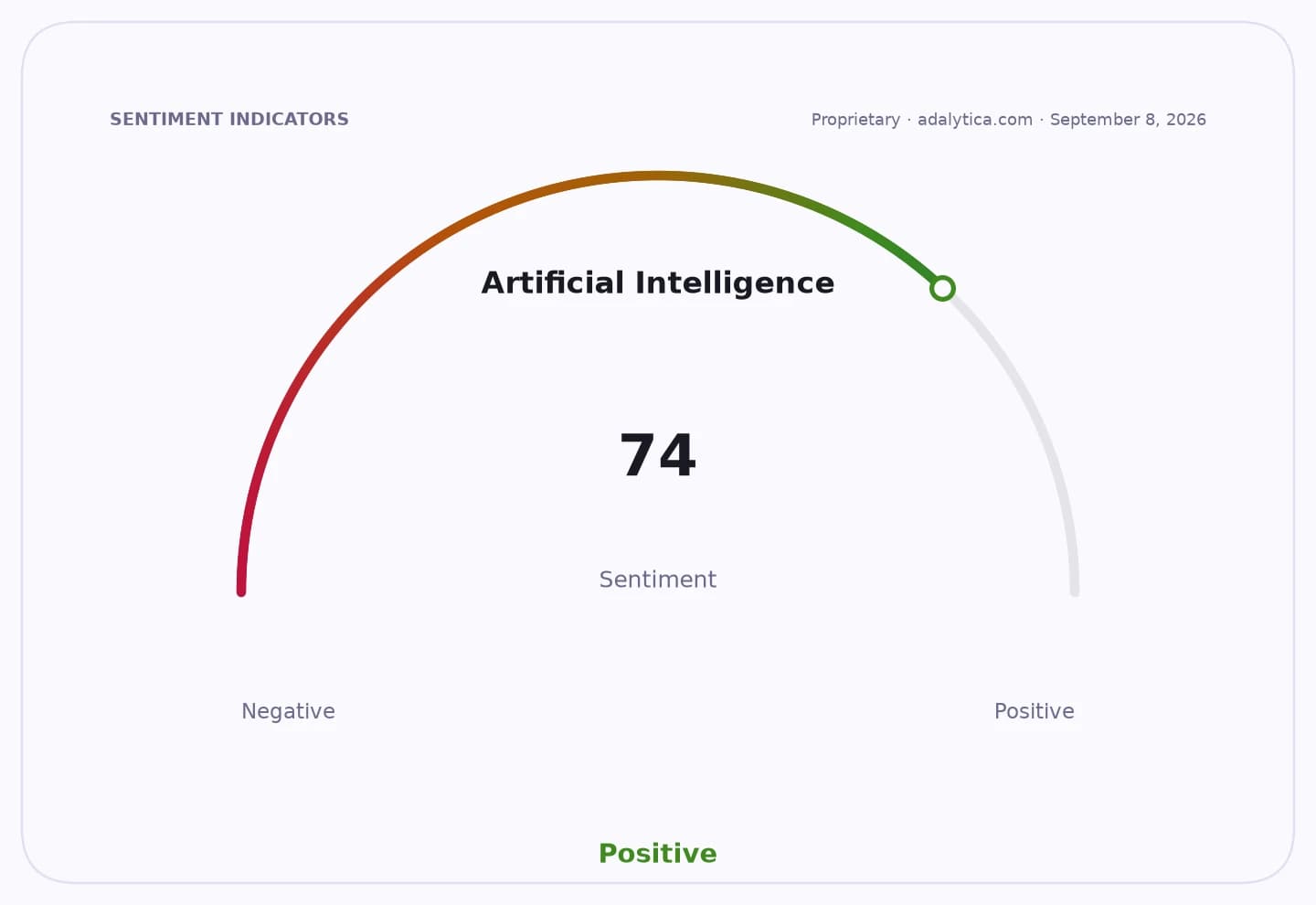
Sentiment IndicatorsⓘProprietary · adalytica.com · October 7, 2026
This is a snapshot — live sentiment, awareness and momentum for 130+ markets update continuously in the dashboard.Open AlphaPulse
Authorities are investigating whether attackers used AI tools to scale the breach, a detail that matters because it lowers the cost of cybercrime and raises the frequency of attacks. That changes the math for financial institutions everywhere. A one-off hack can be patched. An AI-enabled campaign means banks must assume faster, cheaper and more persistent threats, with bigger implications for compliance budgets, vendor spending and insurance costs.
The pressure is already showing up in the market. Shinhan Financial Group disclosed a cybersecurity incident on Oct. 1, while KB Financial’s stock has held above its 50-day moving average even as recent trading shows momentum cooling from earlier overbought levels. Shinhan shares have also eased back from their summer highs. Investors should read that as the first sign that cyber risk is moving from an IT issue to a capital-markets issue.
The larger narrative is that AI is not only boosting productivity and trading strategies — it is also industrializing cybercrime. For banks, that means artificial intelligence becomes both a growth tool and a liability. For investors, the winners are not necessarily the lenders themselves, but the companies selling the defenses: cybersecurity software, secure identity systems, cloud monitoring and managed security services.
South Korea’s response will likely set the tone for other highly digitized banking systems in Asia. If regulators push for stronger controls, higher disclosure standards and faster remediation, the result could be a lasting uplift in security spending across the sector. That is a cost for banks, but an opportunity for the infrastructure providers built to stop the next breach.
| Entity | Gains | Losses |
|---|---|---|
| Cybersecurity vendors | ▲Higher demand | ▼None |
| South Korean banks | ▲Stronger defenses | ▼Legal costs, reputational damage |
| Regulators | ▲More oversight power | ▼Pressure to prevent repeat breaches |
| Customers | ▲Potentially better protection | ▼Data exposure, fraud risk |