Banks are warning that AI shopping agents could become a new route for scams, fraud and data privacy breaches just as technology companies push the tools into consumer use.
Banks warn on AI shopping agent fraud risks
The concern is not that agentic AI can shop, but that it can do so with enough autonomy to blur accountability when something goes wrong. In a report led by Bank of America, Capital One, NatWest, ASB Bank and Commonwealth Bank of Australia, the lenders said the technology risks moving faster than consumer protections and industry standards, raising the odds that users lose money, disclose card details or are steered into weaker payment rails.
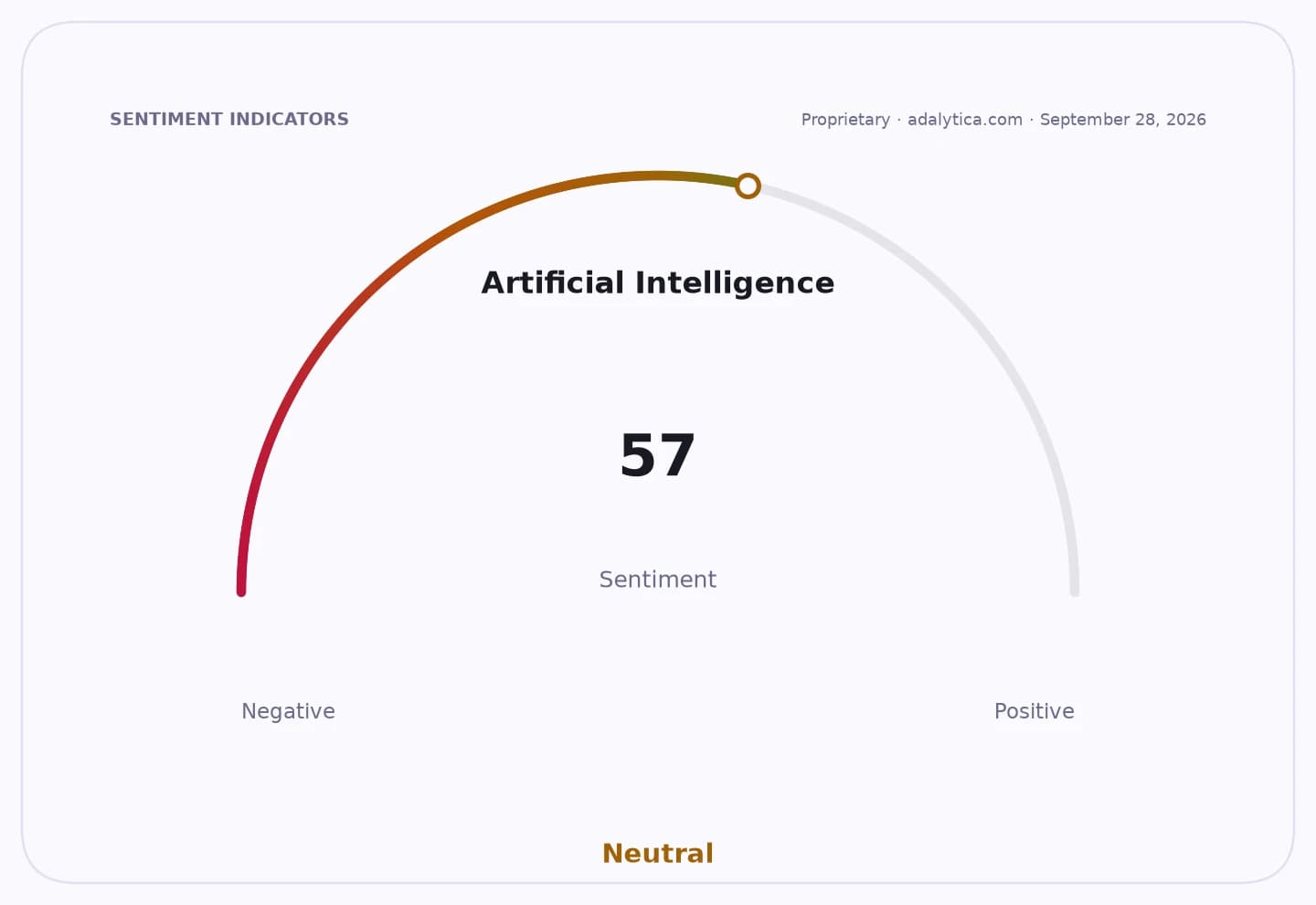
Sentiment IndicatorsⓘProprietary · adalytica.com · September 30, 2026
This is a snapshot — live sentiment, awareness and momentum for 130+ markets update continuously in the dashboard.Open AlphaPulse
That matters for the financial system because online commerce and card payments depend on clear authorization, dispute rights and merchant liability. If an AI agent enters payment details directly into websites, or routes purchases through methods with thinner safeguards, banks may face more fraud losses, more chargebacks and more reputational risk at a time when they are already investing heavily in cyber defenses. The banks’ warning also lands as regulators increasingly scrutinize operational and third-party risks across the sector.
The report said consumers are uncertain whether AI agents will act in their interests, whether they will overpay or buy the wrong item, and who would be responsible if a transaction goes awry. That uncertainty is becoming more relevant as adoption starts to show up in traffic patterns: John Lewis said in September that searches from AI agents climbed to 2.5% from 0.3% a year earlier, suggesting the channel is moving from novelty to early usage.
For investors, the immediate read-through is mixed. Payment networks, banks and retailers could benefit if AI shopping boosts transaction volumes and conversion rates. But the bear case is that faster adoption without guardrails raises fraud expenses, compliance costs and customer-service friction, especially for firms that process high volumes of low-value consumer payments. That could also encourage tighter rules on disclosure, data use and interoperability, all of which may slow product rollout and raise costs for merchants and platforms.
The banks said they plan to discuss proposals with policymakers that would require disclosure when an AI agent is involved in a transaction, greater transparency over how the agents make decisions, and stronger safeguards for customer data. They also argued that consumers and merchants should be able to choose which AI e-commerce services they use, with different systems able to work together.
The broader narrative is that agentic AI is moving from chat to commerce faster than the market has settled the basic rules for trust, liability and consumer protection. For banks, that makes the issue a conduct and fraud problem; for retailers, a conversion opportunity with higher risk attached; and for investors, a reminder that the next phase of AI monetization may depend as much on governance as on software.
| Entity | Gains | Losses |
|---|---|---|
| AI platform providers | ▲More usage and commerce traffic | ▼More regulatory scrutiny |
| Banks and card issuers | ▲Chance to shape rules | ▼Higher fraud and chargeback risk |
| Retailers | ▲Higher conversion potential | ▼More payment and data-security complexity |
| Consumers | ▲Faster shopping tools | ▼Greater scam and privacy exposure |