A senior citizen in India losing ₹31 lakh to a so-called “money-rain” and buried-gold scam is a reminder that financial fraud is not just a personal tragedy — it is a rising consumer-risk problem that can drain household savings, undermine trust and force banks and payment providers to keep investing in safeguards.
India Senior Citizen Scam Raises Fraud Risk Concerns
The case matters economically because scams like this hit the part of the economy that is least able to absorb losses: retirees and other fixed-income households. When fraudsters convince victims to hand over cash or jewelry through promises of easy riches, the damage is immediate and often unrecoverable. For families, that can mean depleted savings, delayed spending and a weaker financial cushion just when inflation, healthcare costs and longevity risk already make retirement more fragile.
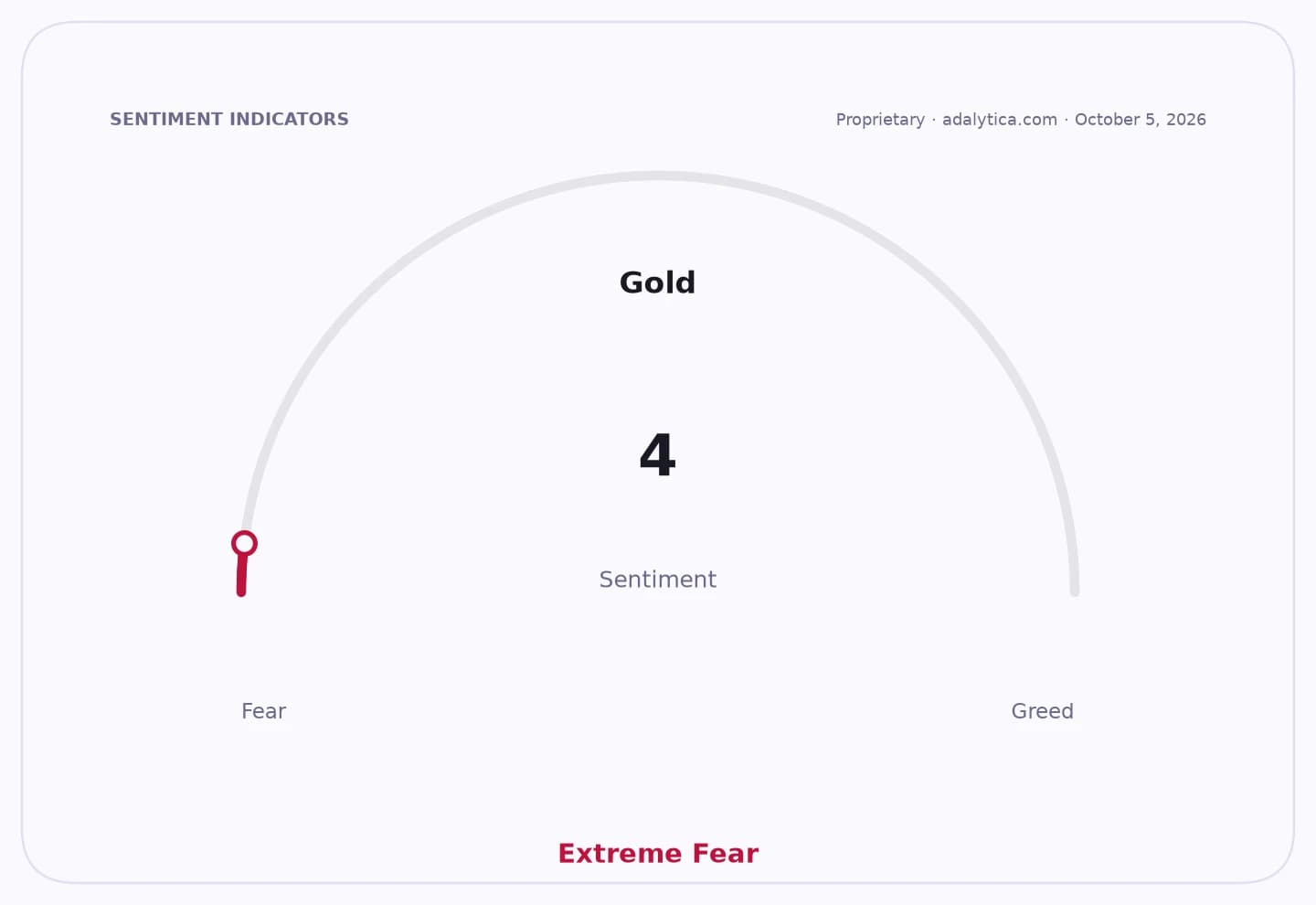
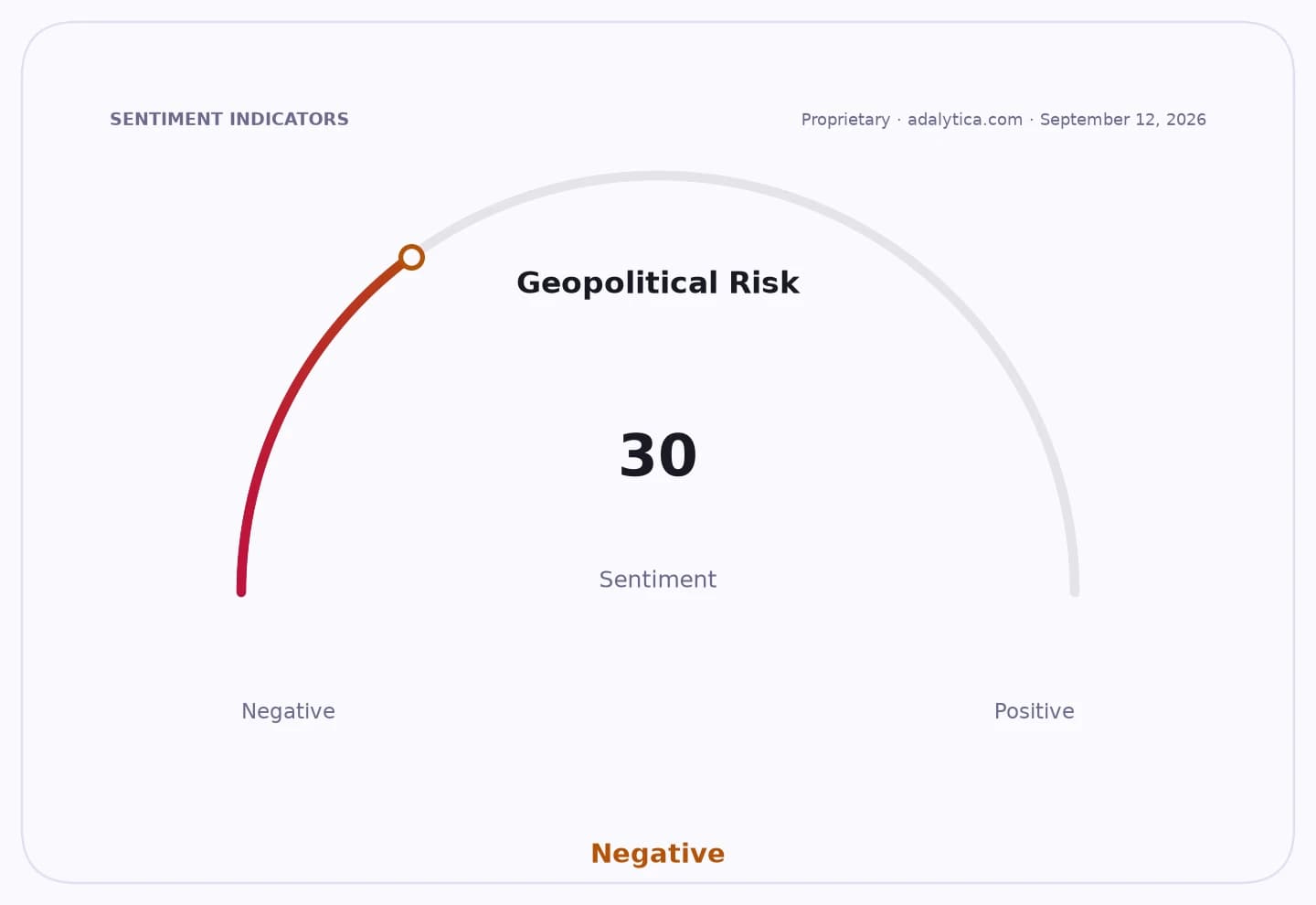
Sentiment IndicatorsⓘProprietary · adalytica.com · October 4, 2026
This is a snapshot — live sentiment, awareness and momentum for 130+ markets update continuously in the dashboard.Open AlphaPulse
It also matters to investors because fraud prevention is becoming a real cost center across the financial system. PayPal’s latest filing warns of “numerous and evolving fraud schemes” and says misuse of its services can bring significant costs, liabilities and remediation expenses. That is not an isolated concern. Banks, digital wallets and brokers all have to spend more on detection, authentication and dispute handling when scam activity rises. For long-term investors, that can pressure margins, but it can also widen the moat for firms that build the best trust and security infrastructure.
The broader narrative is straightforward: as payment rails digitize and scammers get more sophisticated, the winners will be the institutions that can combine convenience with protection. Regulators and police can arrest offenders, as they did in this case, but prevention has to happen upstream, before money leaves the account. That makes fraud controls, identity verification and consumer education more than compliance expenses — they are part of the product.
For investors, the takeaway is not to chase fear, but to recognize where durable demand is forming. Cybersecurity, fraud detection and trusted payments remain long-run growth themes, especially as older consumers move more of their finances online. The scam itself is a warning sign; the investment implication is that companies able to reduce fraud and preserve confidence should be worth watching for years, not weeks.
| Entity | Gains | Losses |
|---|---|---|
| Scam victims | ▲None | ▼Savings and trust |
| Banks and payment firms with strong controls | ▲Customer confidence | ▼Higher compliance costs |
| Cybersecurity and fraud-prevention providers | ▲Rising demand | ▼None |
| Fraudsters | ▲Short-term gains | ▼Police action and prison risk |