Kenya’s markets watchdog is trying to stop a costly retail-investor trap before it spreads further: bogus money market fund, forex and crypto operators promising easy riches, pushing urgency and hiding behind fake credibility.
Kenya CMA Warns on Fraudulent Funds and Crypto
That matters because scams do more than steal savings. They erode trust in legitimate capital markets, make households more wary of investing, and push more money into informal, unregulated channels where losses are harder to trace and recover. For a country that needs deeper savings and broader participation in formal finance, that is an economic problem, not just a consumer-protection issue.
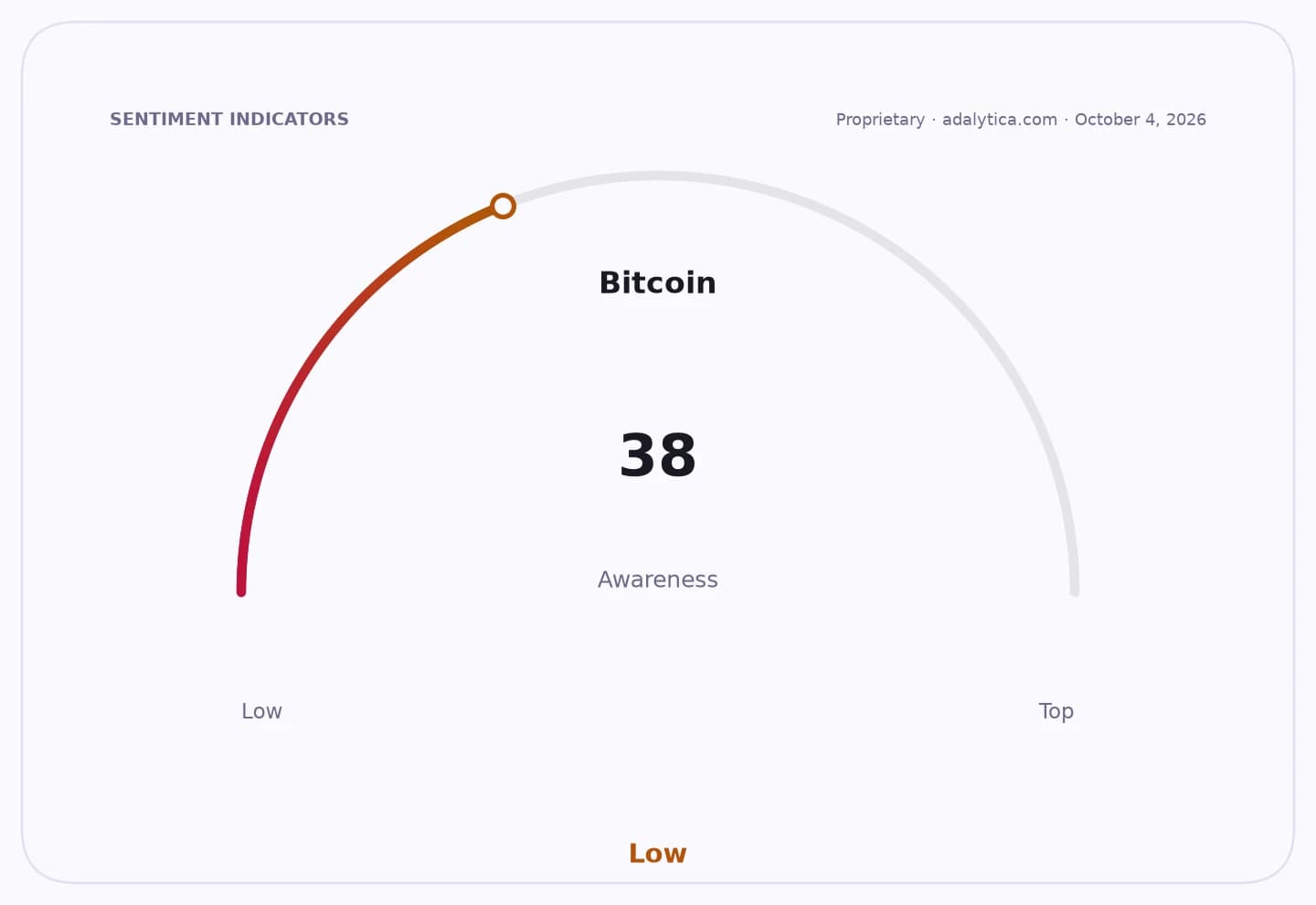
Sentiment IndicatorsⓘProprietary · adalytica.com · October 7, 2026
This is a snapshot — live sentiment, awareness and momentum for 130+ markets update continuously in the dashboard.Open AlphaPulse
The Capital Markets Authority said on Tuesday that one of the biggest warning signs is the promise of unusually high returns with little or no risk — the sort of pitch that often tempts first-time investors looking for quick gains in money market funds, foreign exchange trading or digital assets. It also flagged pressure tactics, such as “offer ends today” messages, suspicious payment requests and deals routed through cryptocurrency or other hard-to-trace transfers.
The CMA’s advice is straightforward: check whether a firm is licensed before sending money. The regulator said legitimate brokers, fund managers, advisers and online forex dealers should appear on its official register, which also lists approved collective investment schemes, securities dealers, REIT managers and other market participants. In other words, the first line of defense is not a better gut feeling — it is verification.
Bitcoin — 30-day sentimentadalytica.com
Explore this data interactively — full history, time series and cross-market comparisons.Open AlphaPulse
The warning comes only weeks after the CMA named 15 platforms it said were operating unlawfully and soliciting funds without the required approvals. Some of those schemes were tied to crypto, forex and money market fund marketing, showing how fraudsters keep recycling the same high-demand themes. That is a familiar pattern in retail finance: scammers rarely invent new products, they simply attach old tricks to whatever asset class is drawing the most attention.
For investors, the implications are immediate. The more popular crypto and forex become — and the more ordinary Kenyans search for higher returns than bank deposits can offer — the larger the target becomes for impostors. Bitcoin’s own volatility, with prices swinging sharply in recent sessions, is a reminder that even real markets can be risky; fraudulent offerings are worse because they combine volatility with outright deception. In a market like that, patience and due diligence matter far more than chasing the next headline.
The long-term takeaway is simple. Investors should treat any guaranteed return, urgent deadline or untraceable payment request as a reason to walk away, not lean in. For households building wealth over years, not weeks, the safest habit may be the least exciting one: verify first, invest second.
| Entity | Gains | Losses |
|---|---|---|
| Licensed CMA firms | ▲Trust and credibility | ▼False comparison with scam operators |
| Kenyans who verify before investing | ▲Better protection | ▼Missed “too good to be true” pitches |
| Fraudulent MMF, forex and crypto schemes | ▲None | ▼Access to easy victims |
| CMA and regulators | ▲Stronger enforcement | ▼Pressure to police more schemes |