Pakistan’s move from crypto bans to active promotion is colliding with a fresh religious ruling that could slow one of the Muslim world’s fastest-growing digital-asset markets.
Pakistan crypto push meets Shariah ruling
The dispute matters because it goes beyond theology: it will shape whether millions of users, banks and regulators in Pakistan and across the wider Islamic world treat crypto as investable money, speculative gambling or a permissible digital claim on real assets. For investors, that determines how quickly Islamic finance can absorb crypto, how much trading liquidity can reach exchanges and whether regional adoption keeps pace with the West.
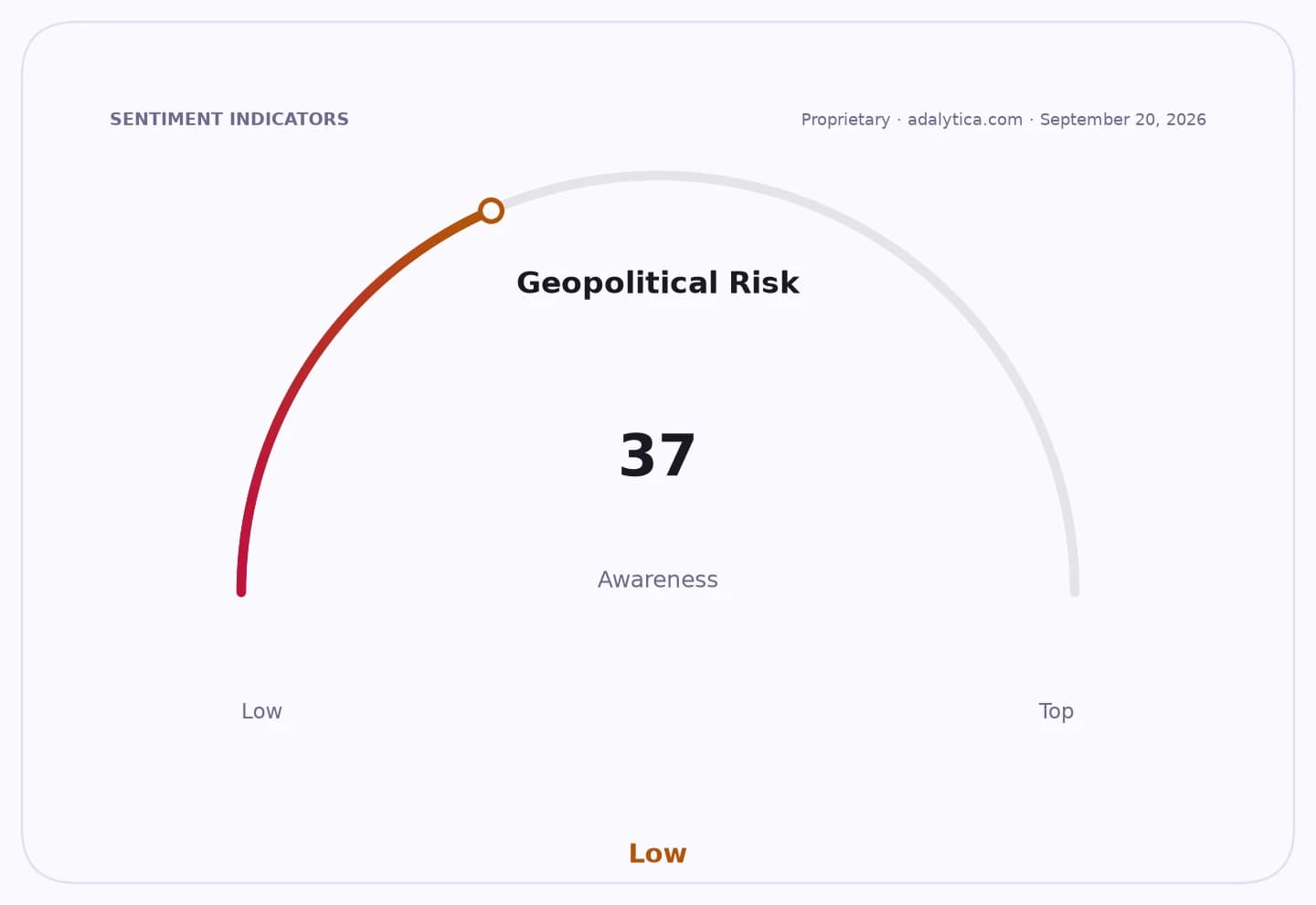
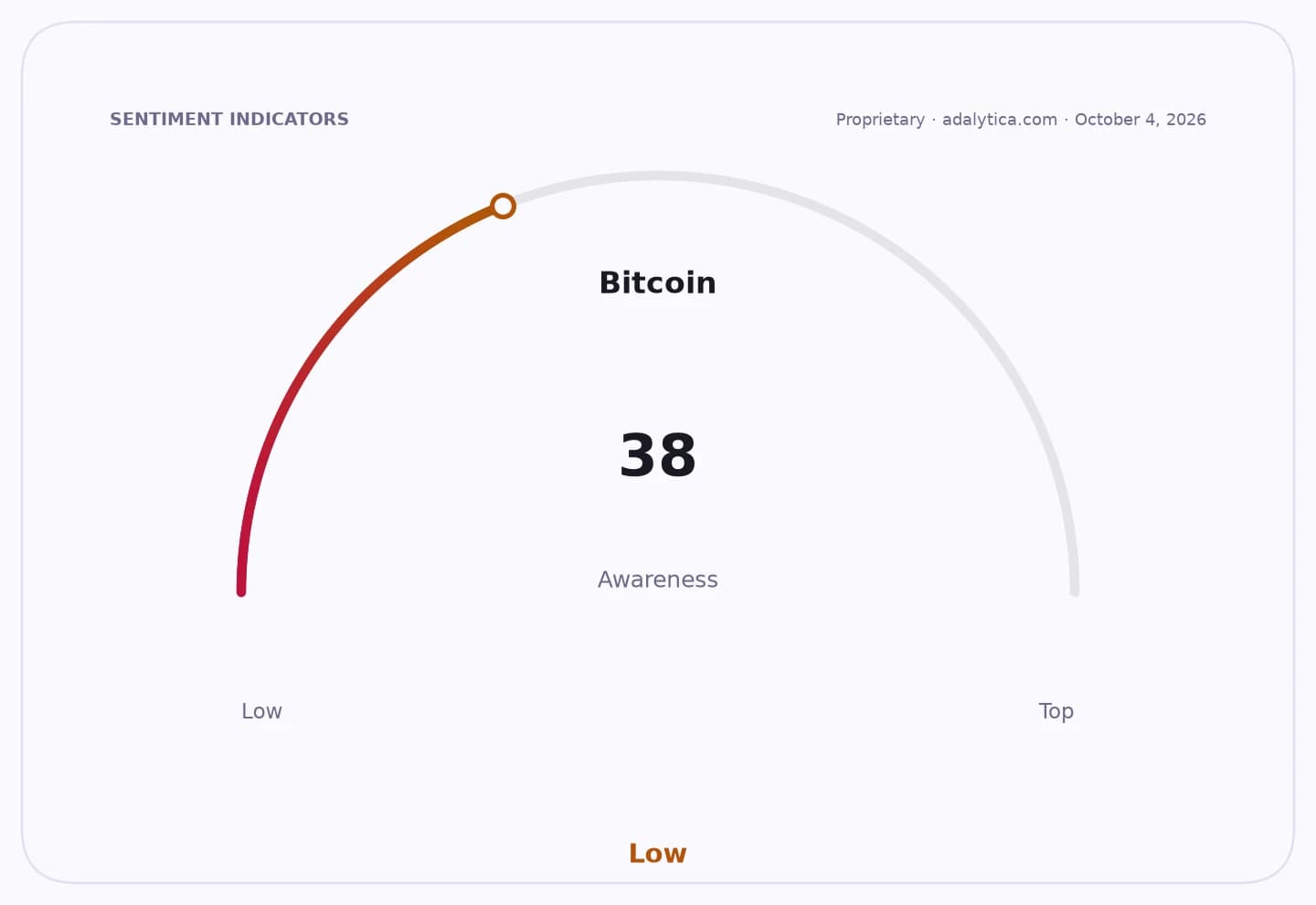
Sentiment IndicatorsⓘProprietary · adalytica.com · October 4, 2026
This is a snapshot — live sentiment, awareness and momentum for 130+ markets update continuously in the dashboard.Open AlphaPulse
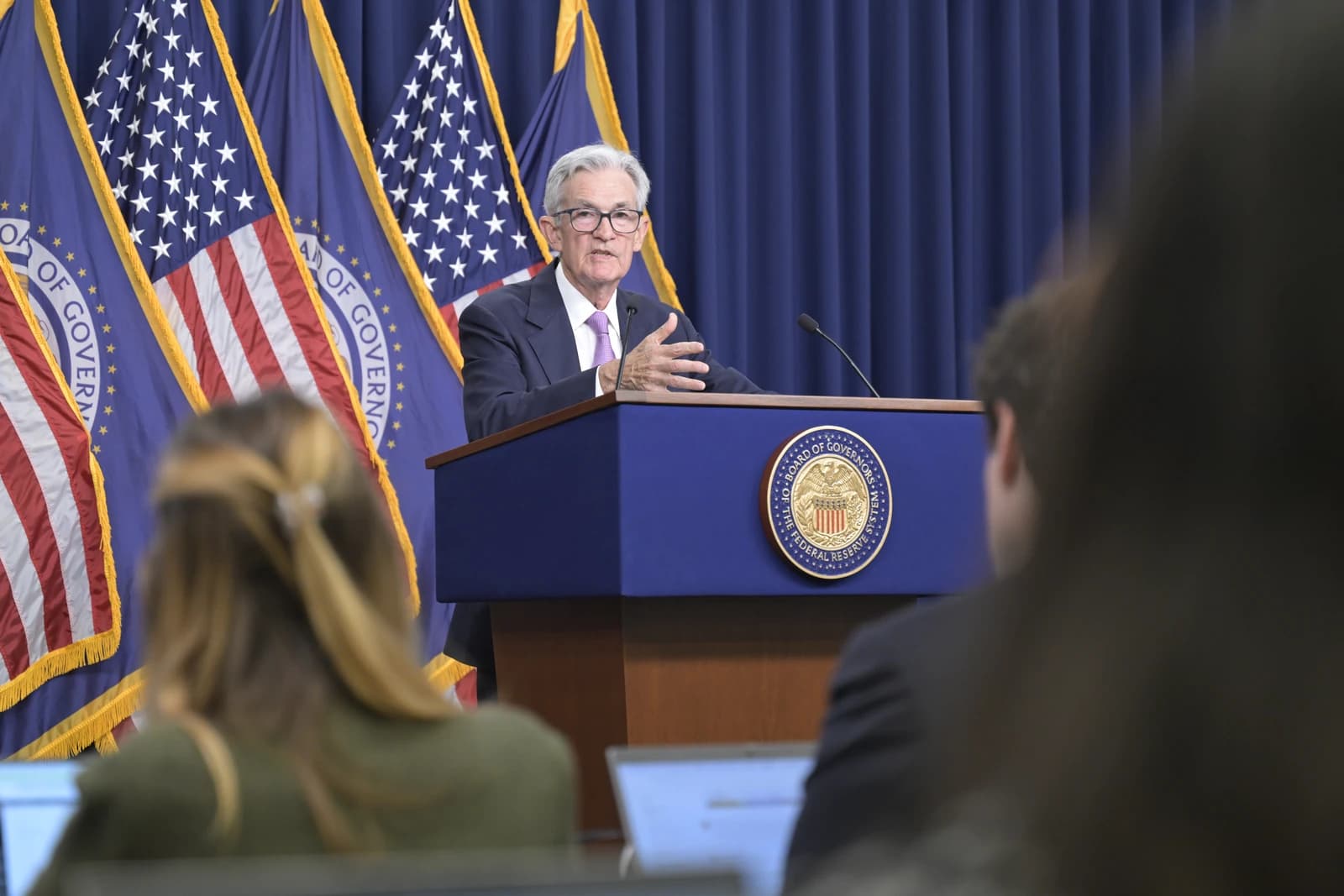
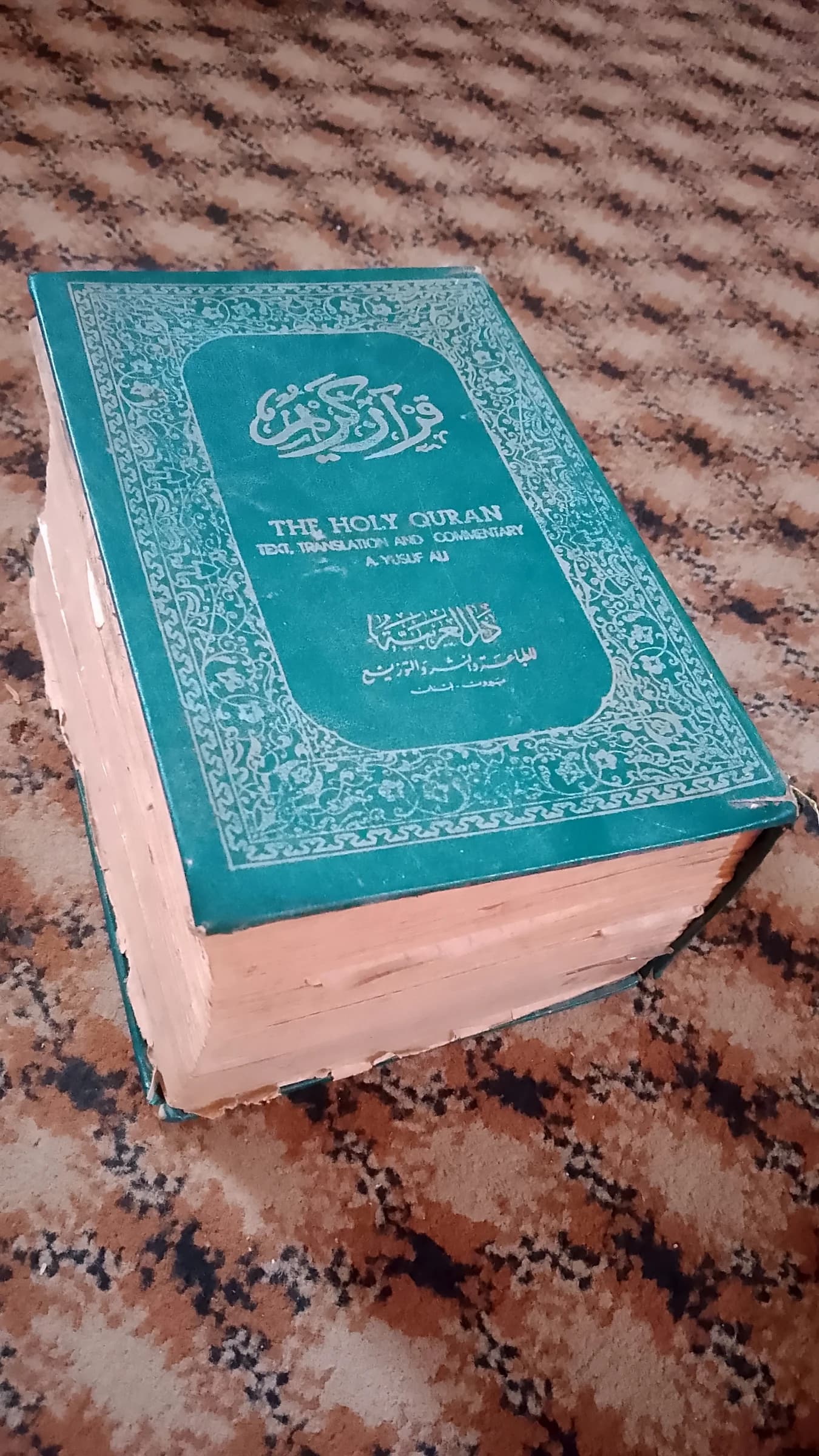
The tension sharpened after Islamic scholar Mufti Taqi Usmani and five others said in June that using cryptocurrencies to buy goods was “impermissible,” arguing crypto is just “fictitious numbers” and not recognized as wealth under Shariah. Pakistan Virtual Assets Regulatory Authority chairman Bilal bin Saqib pushed back, saying crypto spans far more than volatile tokens, including gold-backed assets, stablecoins and financial instruments that can represent legal claims on real-world value.
That debate carries real economic weight in Pakistan, where Saqib told a Senate briefing the country already has about 40 million crypto accounts, far above its roughly six million active taxpayers. A country that previously enforced an outright ban on banking for crypto has now pivoted to advocacy, making any hard religious line a direct complication for policy, payments and market development.
The broader Islamic argument is still unsettled. A thematic study of 32 public fatwas issued from 2014 to 2024 found 17 outright bans, 10 conditional approvals and five cautious or neutral opinions, underscoring how far the consensus remains from forming. Scholars have focused on whether crypto counts as wealth or money, its volatility, speculative use, illicit activity and broader social harm.
Even so, the stance is shifting. Egypt’s Dar al-Ifta and India’s Darul Uloom Deoband both labeled Bitcoin forbidden years ago, while Saudi Arabia and Pakistan withheld legal recognition. But by 2023, bodies in Indonesia and Malaysia had moved toward conditional acceptance, and Indonesia’s Nahdlatul Ulama went further by classifying Bitcoin as wealth and a medium of exchange.
That evolution matters for markets because Islamic finance is a large and growing pool of capital that still needs Shariah-compliant rails. The International Islamic Financial Services Board has already folded digital assets into its regulatory analysis, signaling that the issue is moving from doctrinal debate into institutional rulemaking.
For Bitcoin and crypto-linked stocks such as Coinbase and MicroStrategy, the immediate impact is less about price than about the eventual size of the addressable market. Bitcoin has been trading around $37,250, while sentiment tracked by Adalytica’s Bitcoin Fear & Greed Index sits at 83, in “Greed,” but the regulatory and religious backdrop remains a longer-term demand driver.
The debate is likely to intensify as more governments formalize crypto oversight and as Islamic scholars refine their views on tokens backed by real assets versus purely decentralized coins. For investors, the key question is whether the Muslim world’s gradual acceptance of digital finance will extend to crypto fast enough to create a meaningful new source of institutional demand.
| Entity | Gains | Losses |
|---|---|---|
| Shariah-compliant crypto projects | ▲Broader legitimacy | ▼Doctrinal uncertainty |
| Pakistan regulators and exchanges | ▲Policy flexibility | ▼Faster adoption momentum |
| Bitcoin and major exchanges | ▲New user base potential | ▼Risk of religious restrictions |
| Islamic conservatives | ▲Stricter financial boundaries | ▼Influence over evolving market rules |