ICICI Bank’s U.S.-listed shares fell to $27.55 on Oct. 2, extending a slide that has pushed the stock below its 50-day moving average and close to its 200-day average as investors weigh a renewed debate over bank interest and whether benefiting from it is permissible under Islamic law.
ICICI Bank Shares Fall Below Key Averages

The drop matters because the question is not just theological. For banks operating across India and overseas, especially those trying to attract faith-sensitive customers, the ruling can shape deposit behavior, product demand and the size of the addressable market for Sharia-compliant services.
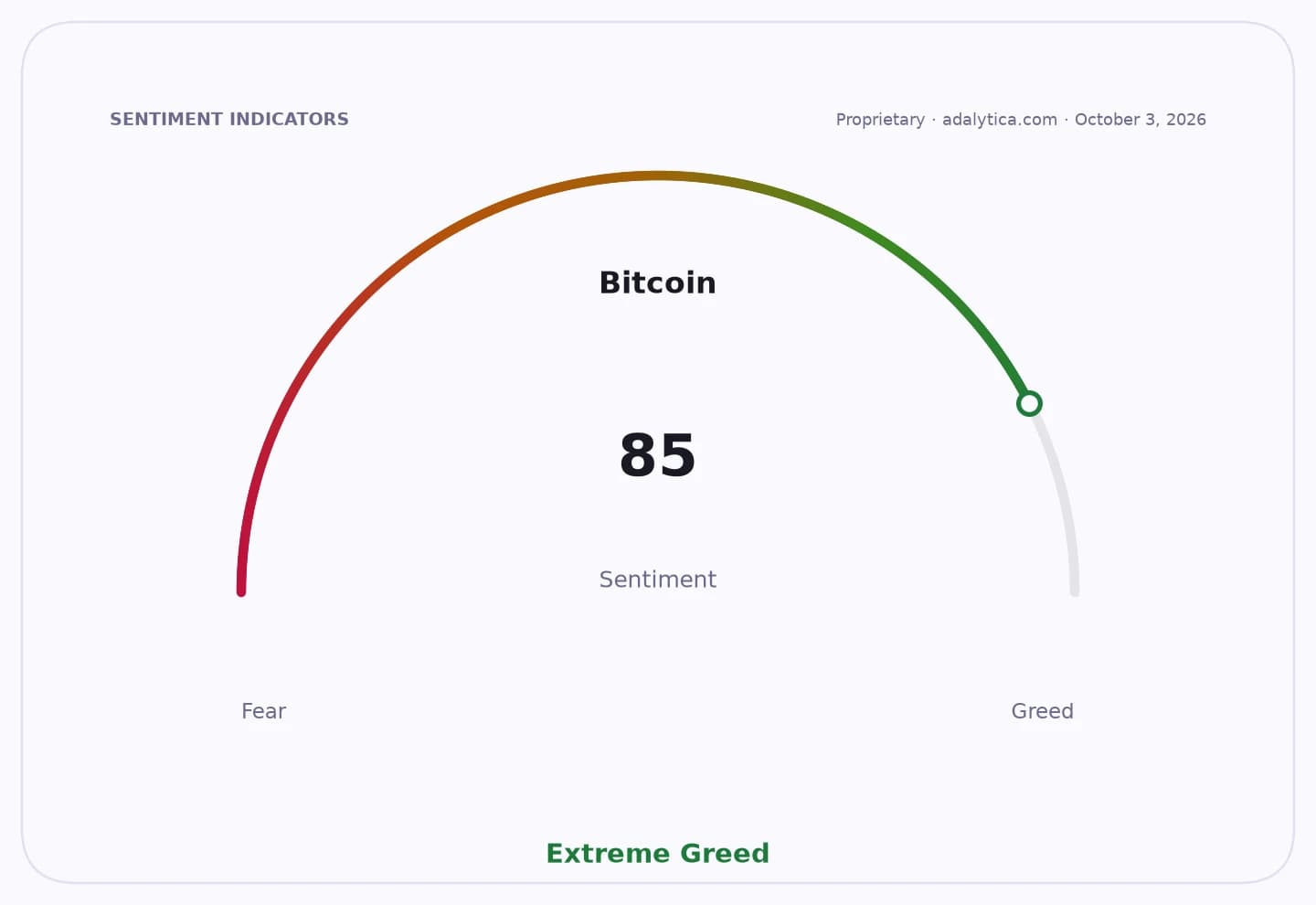
Sentiment IndicatorsⓘProprietary · adalytica.com · October 2, 2026
This is a snapshot — live sentiment, awareness and momentum for 130+ markets update continuously in the dashboard.Open AlphaPulse

ICICI Bank, traded in New York under the ticker IBN, is now down roughly 9.7% from its July 28 close of $30.01 and about 12.4% below a recent September peak of $31.52. The shares’ RSI of 20.1 indicates deeply oversold conditions, while the stock is trading below its 50-day moving average of $29.30 and just under its 200-day average of $28.47.
The broader backdrop is a mixed global interest-rate environment. Central banks from Australia to parts of Europe are still balancing inflation control and growth, while bank earnings remain tied to the gap between lending yields and deposit costs. That makes the debate over whether banks can profit from interest more than a religious issue: it affects who uses the banking system, what products they buy and how cheaply lenders can fund themselves.
For investors, the key risk is less about ICICI Bank’s core earnings than about sentiment and competitive positioning in markets where Islamic finance is growing. Banks that can offer compliant deposit or lending alternatives may gain share among Muslim customers, while lenders seen as less adaptable risk losing niche but meaningful funding and fee opportunities.
The stock’s recent volatility also reflects a wider pullback in financials, with traders watching whether the shares can reclaim the 200-day average near $28.47. If the selling continues, investors will look to the next round of bank updates and regulatory commentary for signs that faith-based banking demand is translating into real deposit growth or whether the debate fades back into the background.
| Entity | Gains | Losses |
|---|---|---|
| Sharia-compliant banks | ▲More customer demand | ▼Fewer deposits at conventional lenders |
| Faith-sensitive depositors | ▲Wider compliant options | ▼Fewer interest-bearing choices |
| ICICI Bank / IBN | ▲Potential product expansion | ▼Near-term sentiment pressure |
| Conventional bank shareholders | ▲Higher rates can lift income | ▼Slower growth in some markets |