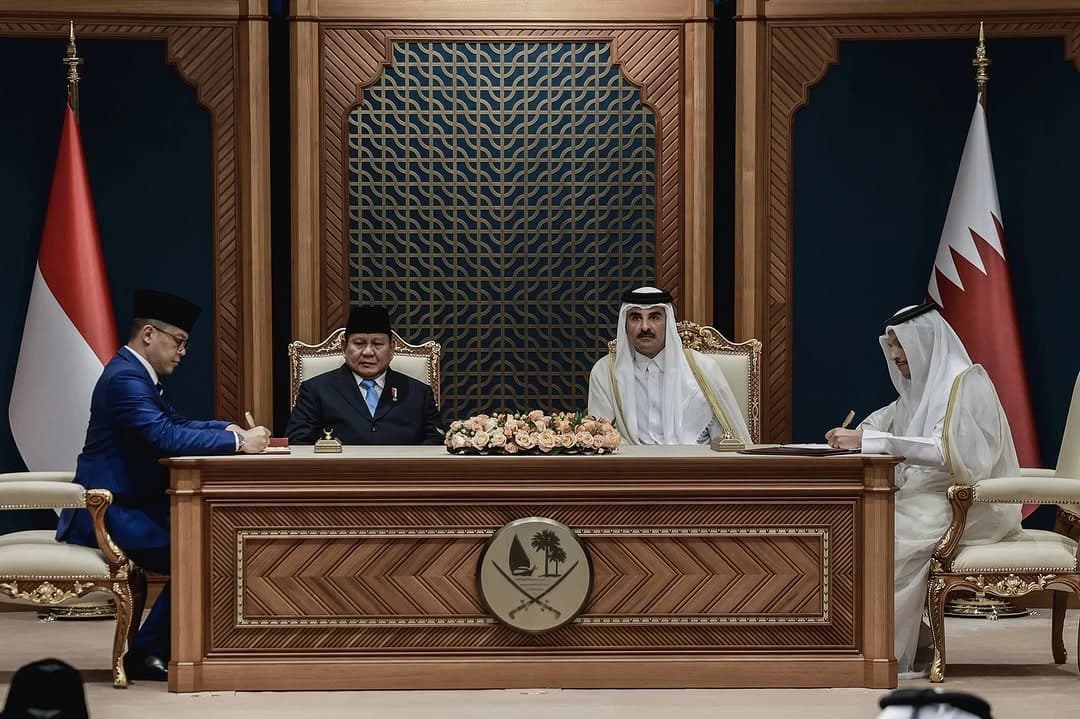
Qatar is actively exploring opportunities in Malaysia’s halal ecosystem, a move that underscores how Gulf capital is looking beyond oil into one of Asia’s fastest-growing trade and investment lanes.
Qatar explores Malaysia halal sector opportunities
The significance is economic as much as diplomatic: Malaysia is a long-established gateway to the global halal industry, while Qatar is seeking to diversify its sovereign-backed investment footprint into sectors tied to food security, certification, logistics and Islamic finance. For investors, that points to a potentially broader flow of Gulf money into Southeast Asia’s halal supply chain at a time when regional demand is being reinforced by policy shifts in Indonesia and wider ASEAN standard-setting efforts.
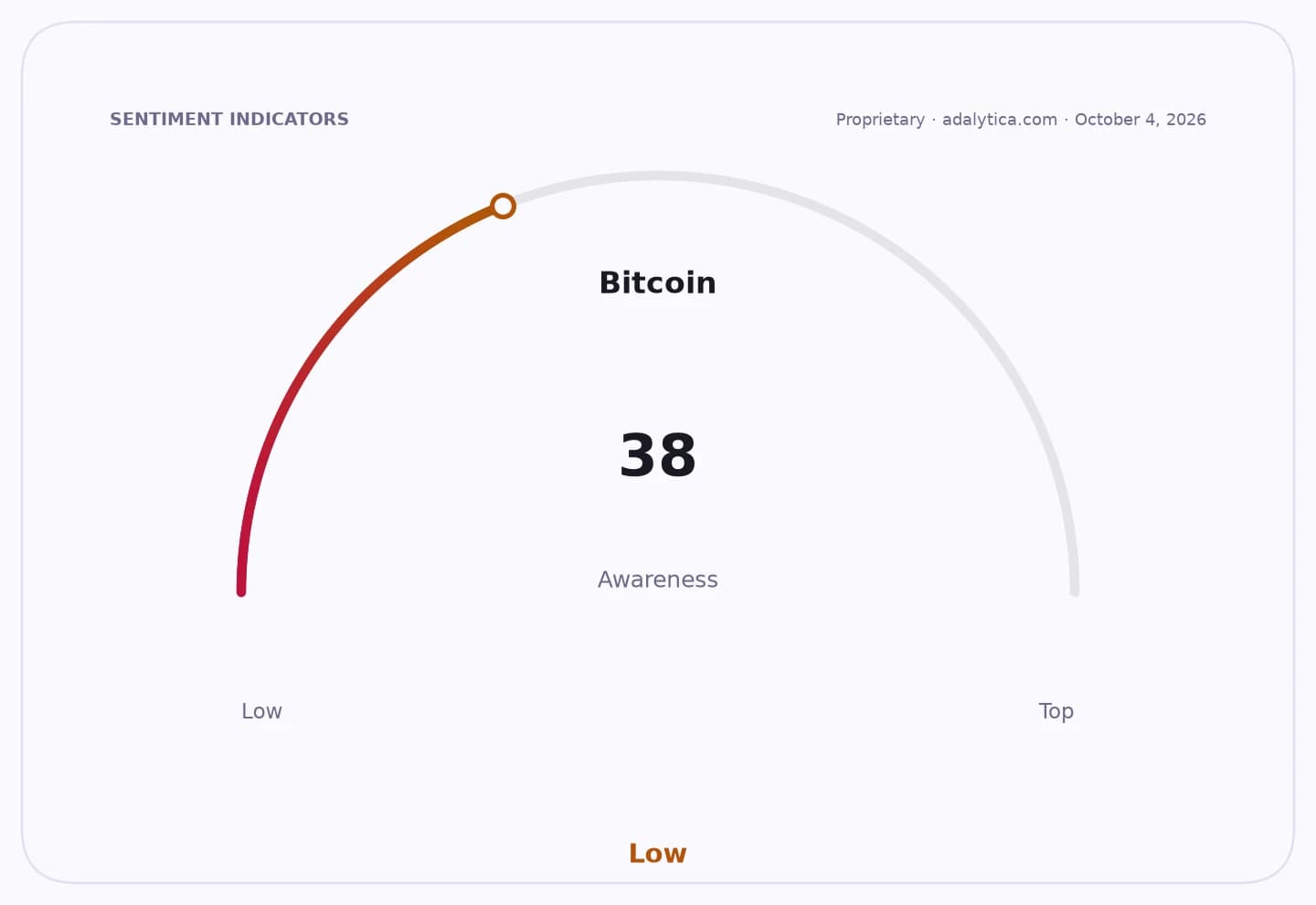
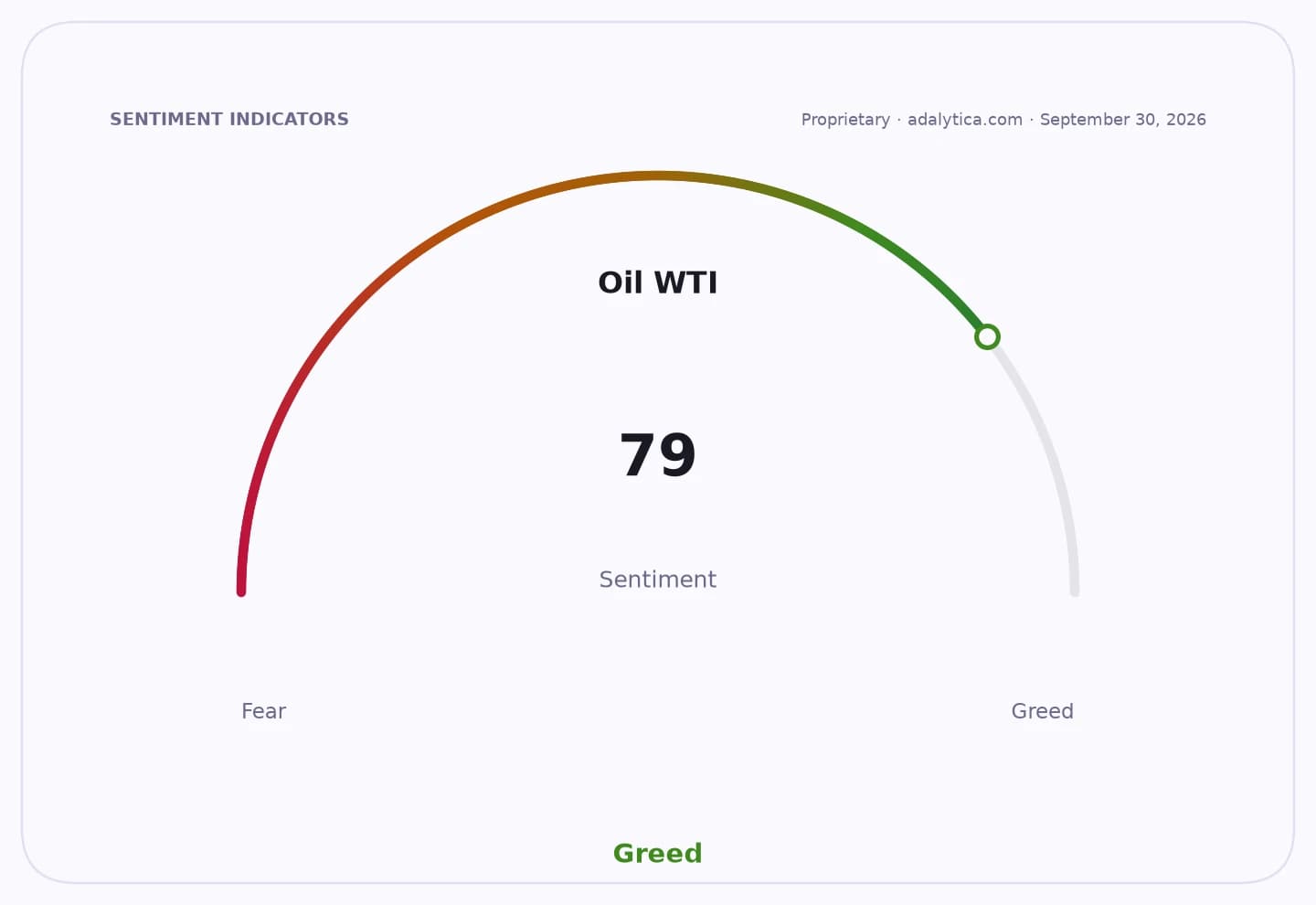
Sentiment IndicatorsⓘProprietary · adalytica.com · October 1, 2026
This is a snapshot — live sentiment, awareness and momentum for 130+ markets update continuously in the dashboard.Open AlphaPulse
The timing matters. Indonesia’s mandatory halal certification is due to take effect on Oct. 18, 2026, widening the compliance burden across the world’s largest Muslim-majority market and likely boosting demand for certification services, processing capacity and audited supply chains. Malaysia has been positioning itself as a regional hub for those capabilities, and Qatar’s interest suggests that Gulf states are not just buying finished products but also looking at the infrastructure that underpins them.
That has implications for corporates and funds on both sides. Malaysian halal producers, logistics firms, certifiers and Shariah-compliant financial institutions could benefit if Qatari investment brings capital, market access and cross-border distribution. The bull case is that a deeper Qatar-Malaysia link could accelerate exports into the Gulf and help build an ASEAN-wide halal platform with stronger pricing power. The bear case is that the opportunity may prove more symbolic than immediate if regulatory fragmentation across Southeast Asia, certification disputes and execution risk slow dealmaking.
The investment backdrop is also shaped by market sentiment. The S&P 500, as tracked by Adalytica.com, shows neutral sentiment but elevated fear, a sign that global investors remain selective and are still favoring themes with visible policy support and structural growth rather than broad risk-taking. In that environment, halal-related infrastructure and consumer supply chains offer a comparatively durable narrative: they sit at the intersection of consumption, trade and Islamic finance, with government backing across Malaysia and Indonesia.
For Qatar, the strategic appeal is clear. A deeper presence in Malaysia would complement its broader effort to build non-hydrocarbon partnerships and access faster-growing Asian markets. For Malaysia, foreign capital from the Gulf could help cement its role as a hub for halal standards, certification and downstream investment just as ASEAN competition intensifies.
What investors will watch next is whether Qatar’s exploration turns into concrete acquisitions, joint ventures or fund commitments, and whether those deals extend beyond food into logistics, finance and certification services. If they do, the halal economy could become one of the cleaner cross-border growth stories linking the Gulf and Southeast Asia over the next year.
| Entity | Gains | Losses |
|---|---|---|
| Qatar | ▲Diversification; Asia market access | ▼Execution risk |
| Malaysia halal sector | ▲Capital inflows; export expansion | ▼Margin pressure from competition |
| Indonesian exporters | ▲Larger certified market | ▼Higher compliance costs |
| Gulf investors | ▲New growth theme | ▼Policy fragmentation risk |