JPMorgan Chase has won a $20 billion investment mandate from Qatar’s sovereign wealth fund, a deal that underscores how rich Gulf investors are still channeling capital into U.S. markets even as they expand at home.
JPMorgan Wins $20 Billion Qatar Investment Mandate
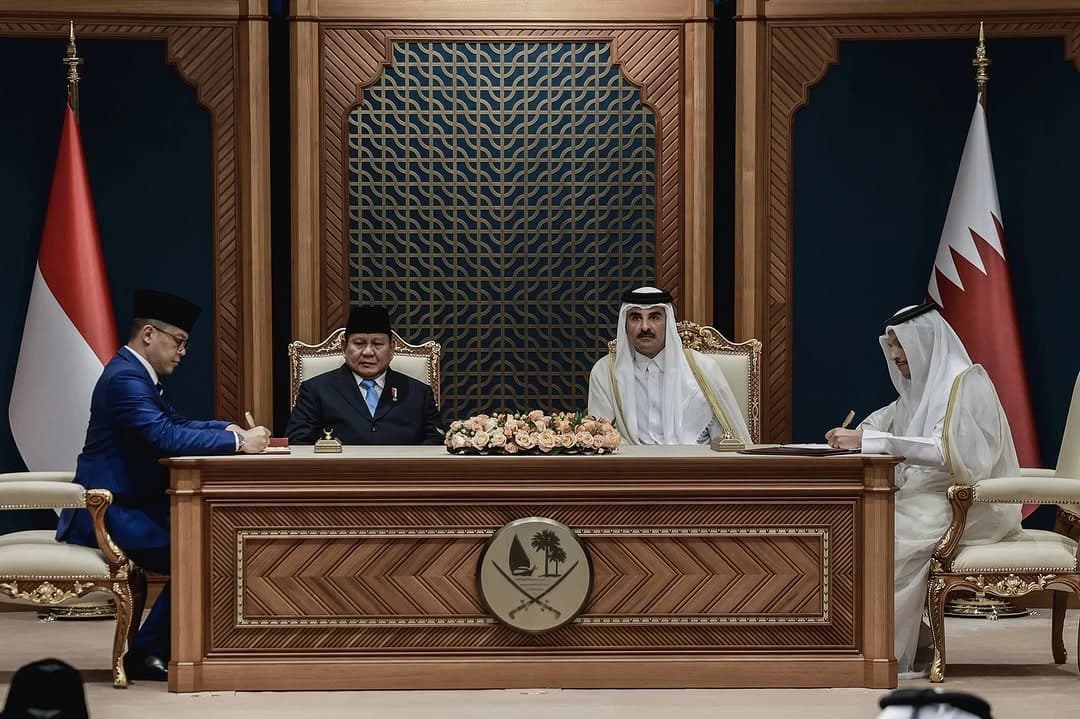
The agreement with the Qatar Investment Authority splits between a $15 billion public-equities program and a $5 billion private-markets strategy aimed at senior financing for established U.S. middle-market companies. For JPMorgan Asset Management, it is a meaningful addition to an already massive asset base and a sign that the bank’s global research and portfolio platform remains competitive in the fight for sovereign-wealth mandates.
Sentiment IndicatorsⓘProprietary · adalytica.com · September 25, 2026
This is a snapshot — live sentiment, awareness and momentum for 130+ markets update continuously in the dashboard.Open AlphaPulse
The economic significance is twofold. First, the partnership reinforces the U.S. as a destination for long-duration foreign capital at a time when policymakers and investors are watching cross-border flows closely. Second, it gives Qatar a way to diversify away from passive holdings and into customized portfolios and private credit, areas that can deliver income and potentially better risk-adjusted returns than public markets alone. The private-markets sleeve also puts fresh capital behind American companies that often rely on nonbank lenders for growth financing.
For JPMorgan, the mandate is less about the headline dollar amount than the signal it sends. Asset and Wealth Management has been one of the bank’s strongest businesses, with client assets and assets under management already in the trillions, and large sovereign mandates can deepen recurring fee income while widening distribution into private credit. The deal also extends JPMorgan’s reach in a market where BlackRock, Morgan Stanley and other global asset managers are all competing for institutional money. JPMorgan shares were modestly higher, up 0.47% at $351.29, though the market move was small relative to the strategic importance of the announcement.
The Qatar deal also fits a broader pattern in Doha. The sovereign fund has been building a domestic investment arm while continuing to place capital abroad, suggesting a dual-track strategy of supporting local growth and preserving access to global opportunities. That makes the JPMorgan partnership more than a one-off transaction: it is part of a deliberate reallocation of capital toward active management, private credit and strategic relationships with global banks.
For investors, the key question is whether JPMorgan can convert this and similar mandates into durable fee growth without taking on meaningfully more balance-sheet risk. The bull case is that sovereign wealth demand remains resilient and that private credit and customized portfolios can compound earnings over time. The bear case is that competition for these mandates stays intense and that returns could be pressured if markets become more volatile or if private credit spreads tighten.
What to watch next is whether the agreement becomes a template for larger Gulf allocations into U.S. asset managers and whether JPMorgan can win more of the private-markets business tied to wealthy sovereign clients. If it does, the deal could mark another step in the steady migration of Gulf capital toward U.S. public and private assets.
| Entity | Gains | Losses |
|---|---|---|
| JPMorgan Asset Management | ▲Fee income growth | ▼None immediately |
| Qatar Investment Authority | ▲Customized U.S. access | ▼Passive-only exposure |
| U.S. middle-market borrowers | ▲Senior financing capacity | ▼Higher competition for funding |
| Rival asset managers | ▲— | ▼Lost mandate opportunity |