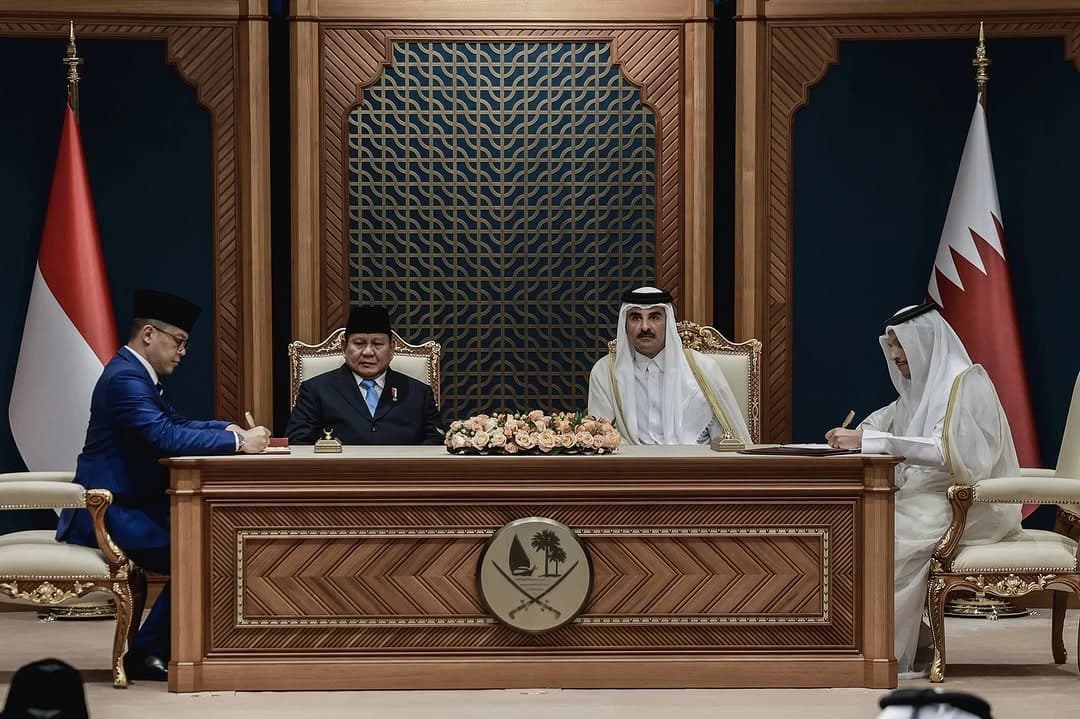
Qatar is moving to sell debt in two benchmark maturities, and the timing matters because global borrowing costs are still well above the ultra-cheap era that fueled a wave of easy sovereign funding. For investors, that means the Gulf state is testing appetite for duration just as U.S. Treasury yields remain elevated and credit markets are demanding more compensation for risk.
Qatar Plans 5- and 10-Year Bond Sale
The proposed five- and 10-year instruments fit a broader pattern among sovereign borrowers: lock in funding before rate conditions shift again, diversify the investor base and preserve flexibility for future spending plans. Qatar has long stood out in emerging markets for its strong external finances and hydrocarbon backing, which typically makes its debt an easier sell than many peers'. Even so, the market backdrop is not as forgiving as it was when benchmark borrowing costs were near historic lows.
Sentiment IndicatorsⓘProprietary · adalytica.com · September 24, 2026
This is a snapshot — live sentiment, awareness and momentum for 130+ markets update continuously in the dashboard.Open AlphaPulse
That backdrop is important. The U.S. 10-year Treasury yield was last around 5.08%, while the two-year sat near 4.84%, levels that keep global bond pricing tight and make investors more selective about maturities. High-yield credit spreads have also firmed to roughly 2.71 percentage points, signaling that markets still want a premium for risk even as recession fears have eased. In other words, Qatar is tapping the market into a world where buyers can earn decent returns elsewhere, so execution and pricing will matter.
For bond investors, the issue will be whether Qatar can place the notes at attractive levels relative to U.S. government debt and other Gulf sovereigns. A successful sale would reinforce the country’s reputation as a high-quality borrower and could support demand for other regional debt. For long-term holders, the appeal is straightforward: a sovereign with substantial energy wealth, a record of market access and a generally resilient fiscal profile can still offer spread pickup in a world where safe assets yield more than they did a few years ago.
The other side of the story is the trade-off between locking in funding now and accepting higher coupons than issuers enjoyed in the past. If Qatar is raising debt to manage refinancing, fund development or simply preserve liquidity, the cost of capital is materially more expensive than during the pandemic-era funding boom. That is why the deal matters beyond Doha: it is another example of how higher-for-longer rates are reshaping sovereign finance everywhere, even for creditworthy borrowers.
For investors, the sale is worth watching as a read on demand for Gulf sovereign paper and on whether global duration appetite remains intact. If the notes are well received, it could be a reminder that quality still commands a following. If not, it would underline just how disciplined the market has become. Either way, the issue belongs on the watchlist for anyone building a long-term fixed-income portfolio.
| Entity | Gains | Losses |
|---|---|---|
| Qatar | ▲Lower near-term funding uncertainty | ▼Higher coupon costs |
| Bond investors | ▲Spread pickup on a strong sovereign | ▼Duration risk at higher rates |
| Competing sovereign issuers | ▲Benchmark from a respected borrower | ▼Tighter pricing competition |
| U.S. Treasury market | ▲Reinforced role as global benchmark | ▼None directly |