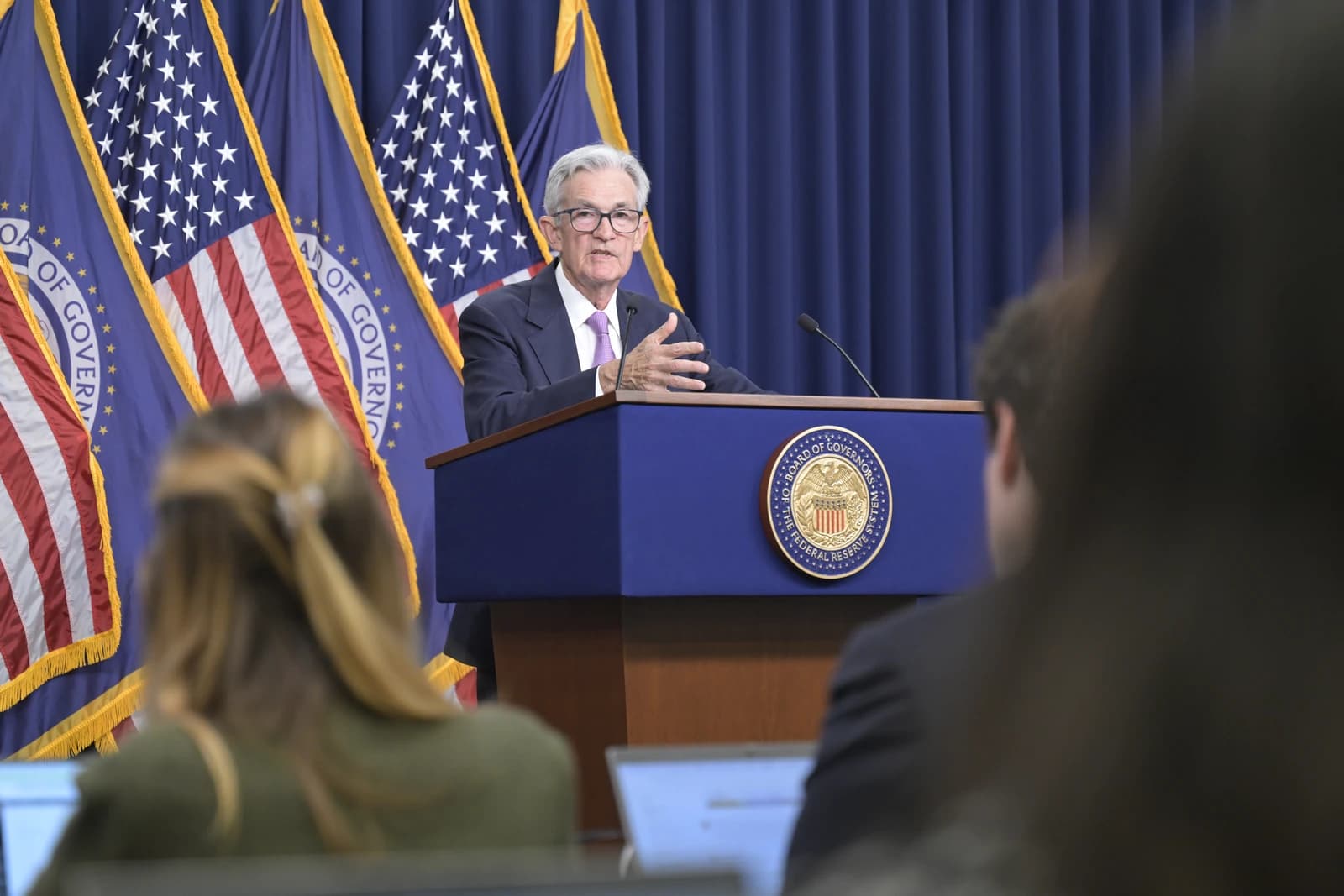
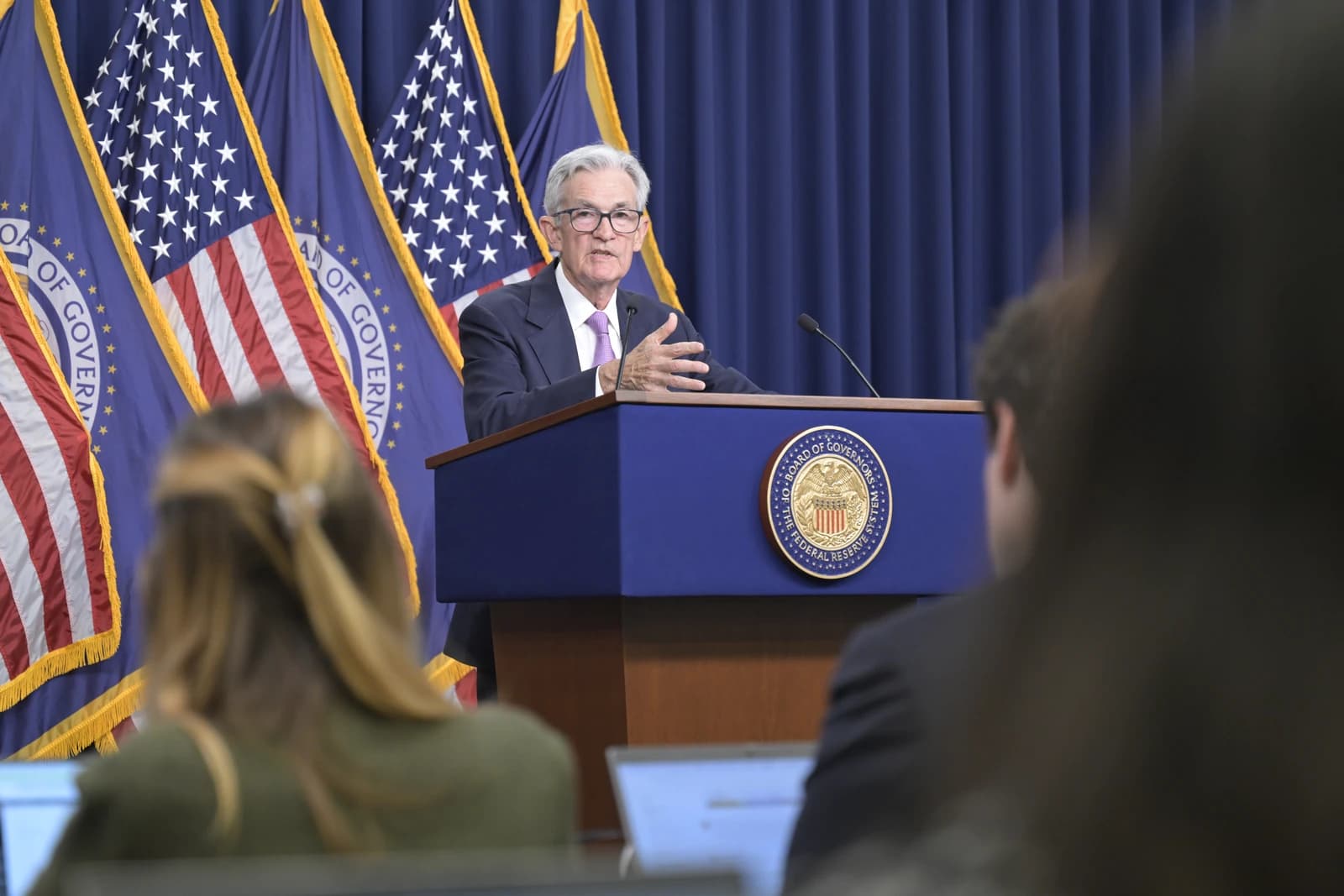
Bitcoin climbed back above $80,000 and Ethereum pushed toward $2,620 even as the Federal Reserve kept rates elevated and U.S. lawmakers stumbled on a key crypto bill, underscoring how quickly traders are reaching for risk when macro pressure eases.
Bitcoin Back Above $80,000 as Crypto Rebounds
For long-term investors, the bigger story is not the day’s price pop. It is that crypto is still finding buyers on bad news, which tells you the market is treating the asset class less like a speculative side bet and more like a liquidity-sensitive macro trade. When oil prices cool, volatility falls and equity markets recover, digital assets often move first — and that is exactly what happened here.
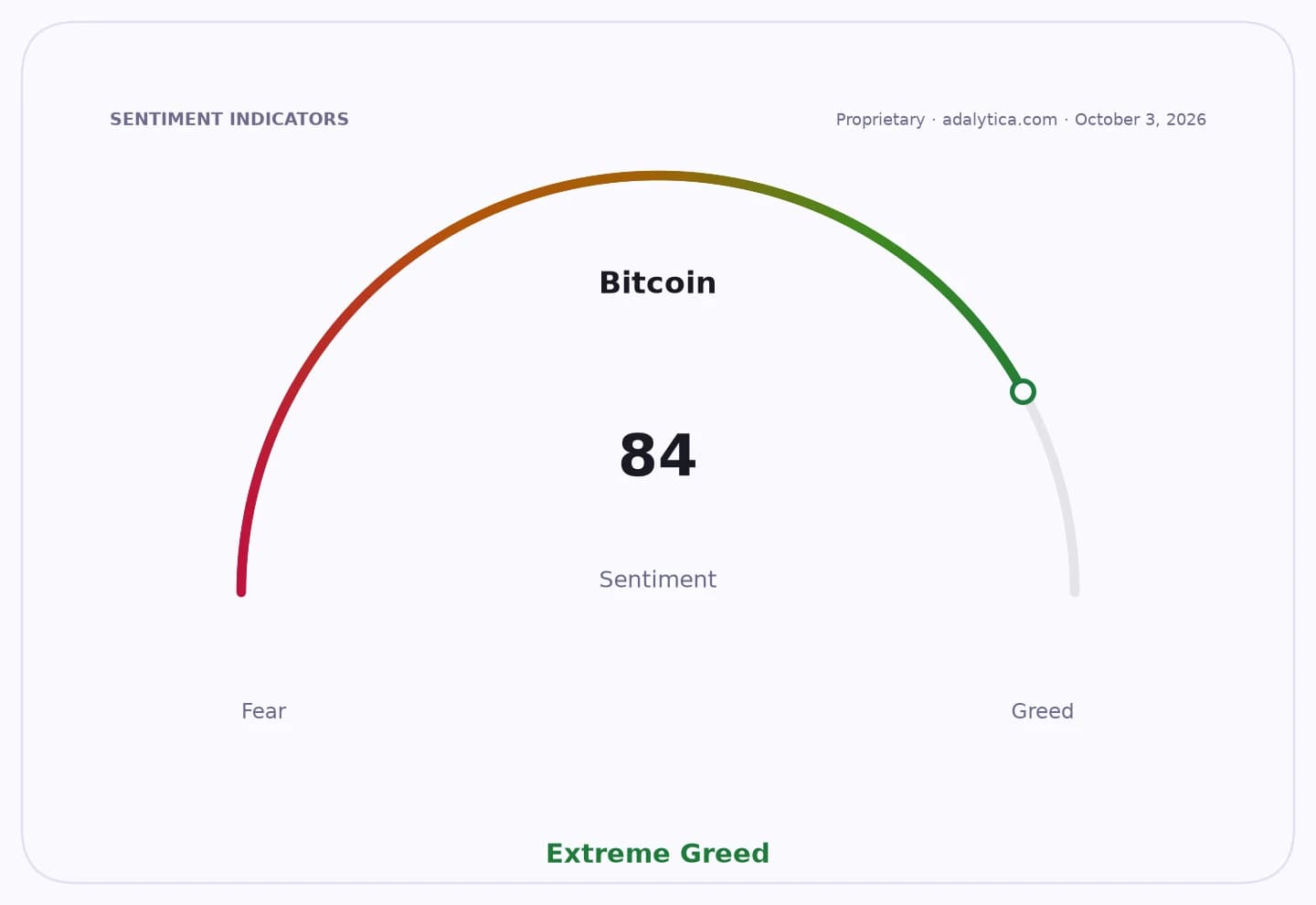
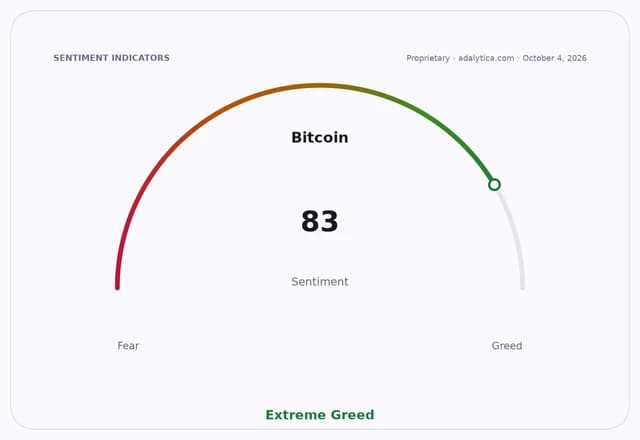
Sentiment IndicatorsⓘProprietary · adalytica.com · October 4, 2026
This is a snapshot — live sentiment, awareness and momentum for 130+ markets update continuously in the dashboard.Open AlphaPulse
Bitcoin rose 4.6% in the past 24 hours while Ether gained 6%, according to the data in the market context. Smaller coins including BNB, XRP, Solana, Tron, Hyperliquid, Dogecoin and Cardano also advanced as bearish leverage was forced out of the market. The total crypto market value increased 4.1% to $2.86 trillion, showing this was not just a Bitcoin headline but a broad-based rebound across the sector.
The move matters because leverage can turn a routine bounce into a violent squeeze. Once short sellers are forced to cover, price can accelerate well beyond what fundamentals alone would suggest. That does not make the rally fragile; it makes it more instructive. It suggests positioning had become too pessimistic, and that downside was being crowded out just as macro conditions turned a little less hostile.
Bitcoin’s ability to stay above $80,000 is the key level traders are watching, while Ether needs to hold the $2,580 to $2,600 zone to keep its near-term structure intact, said Riya Sehgal, research analyst at Delta Exchange. In technical terms, Bitcoin remains comfortably above its 50-day and 200-day moving averages in the data provided, while Ether is still trading above both measures as well. That matters for investors because those are the kind of conventional indicators that often separate a healthy trend from a dead-cat bounce.
The other important backdrop is policy. The setback for the CLARITY Act shows that U.S. crypto regulation remains unfinished, and that uncertainty still sits over the market even as institutions warm up to the asset class. But in the near term, traders appear more focused on Fed expectations and liquidity than on Capitol Hill. That is why softer inflation fears, lower oil prices and a calmer equity tone are helping crypto more than legislative progress is hurting it.
There is also a stronger long-term thread running through this rally. Institutional acceptance keeps expanding, with CME adding its 11th crypto asset and the SEC moving toward clearer custody frameworks. Those developments do not guarantee higher prices tomorrow, but they do help build the plumbing needed for more durable participation from asset managers, advisers and other professional investors.
The risks remain obvious. Elevated rates are still a headwind for non-yielding assets, regulatory clarity is incomplete, and crypto’s latest surge may already be extended in the short run, with Bitcoin’s RSI reading elevated in the data. But for investors thinking in years rather than days, the more important point is that the market continues to absorb shocks and rebuild higher. That is what healthy long-term adoption often looks like.
For now, Bitcoin’s move back above $80,000 and Ether’s push toward $2,620 are worth watching not as a signal to chase momentum, but as evidence that crypto’s institutional story is still intact. If the broader macro backdrop keeps improving, the asset class remains positioned to reward patient investors willing to tolerate volatility.
| Entity | Gains | Losses |
|---|---|---|
| Bitcoin and Ether holders | ▲Higher prices, stronger trend | ▼Short sellers, late buyers |
| Crypto exchanges and brokers | ▲More trading volume | ▼Traders positioned for a drop |
| Institutional buyers | ▲Better liquidity and market depth | ▼Investors waiting for lower entry points |
| Regulatory hawks | ▲Less control over market momentum | ▼Supporters of slower crypto adoption |