Romanian police have raided five locations in Bucharest in an investigation into a fraud ring that allegedly lured elderly people into buying overpriced medical devices after free “health assessments,” a case that underscores how consumer abuse can quickly become a credit and healthcare issue.
Romania Fraud Probe Hits Wellness Device Sales
Authorities said five suspects, operating through companies presented as health centres, allegedly convinced older victims they had serious conditions and pushed them to buy devices marketed as cures at “unjustifiably high” prices. In some cases, the victims were taken to banks or had personal-loan contracts signed from their mobile phones with the suspects’ help, according to police.
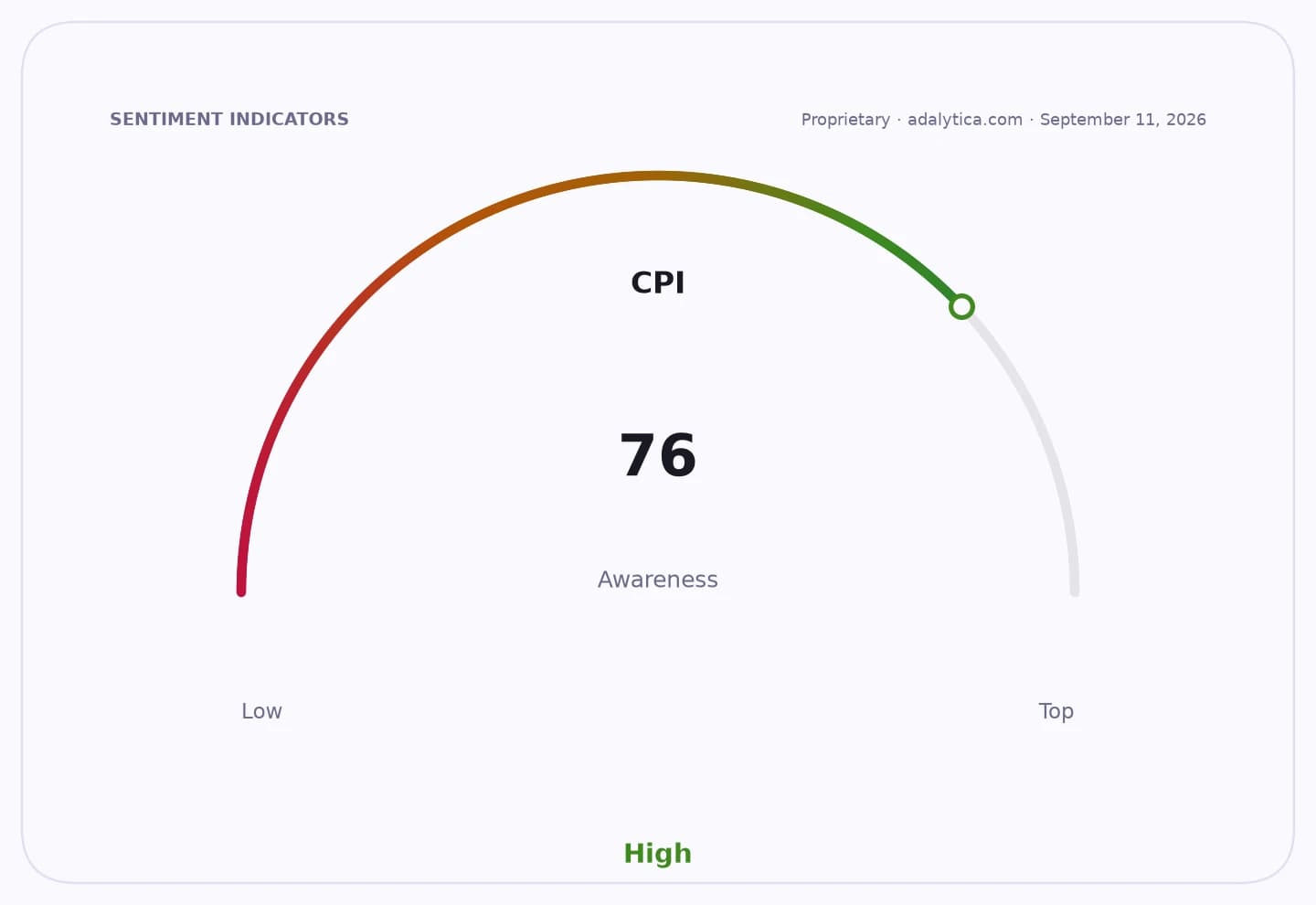
Sentiment IndicatorsⓘProprietary · adalytica.com · October 7, 2026
This is a snapshot — live sentiment, awareness and momentum for 130+ markets update continuously in the dashboard.Open AlphaPulse
The case matters beyond the criminal allegations because it shows how vulnerable consumers can be steered into debt through a mix of medical authority, fear and sales pressure. That can leave banks exposed to questionable loan origination, while also raising pressure on regulators and prosecutors to police aggressive consumer-finance tactics more closely.
Investigators said the alleged scheme ran from July 2025 to September 2026 and involved companies using two Bucharest points of work under the “Reviva Wellness” name. Police identified Traian Cîmpanu as the main suspect, assisted by Brândușa Agavriloaie and Claudia Nicolae, according to judicial sources cited by Romanian media.
The broader pattern is familiar to investigators across Europe: fraudsters increasingly wrap scams in the language of wellness or treatment to gain trust, then monetize that trust through high-margin products and debt. That makes the damage more durable than a one-off cash scam, because victims can be left with loan obligations long after the devices prove useless.
For investors, the immediate impact is limited, but the case is a reminder that reputational risk and compliance scrutiny remain live issues in healthcare retail, consumer lending and payments. Any company selling devices or services through direct-to-consumer channels can come under pressure if authorities broaden the crackdown or if lenders tighten checks on medical-adjacent financing.
Police said the five suspects were detained for questioning and the case remains under prosecution for fraud. The next step will be whether investigators expand the case to identify lenders, sales intermediaries or additional shell companies that may have helped channel the money.
| Entity | Gains | Losses |
|---|---|---|
| Elderly victims | ▲None | ▼Inflated bills, debt |
| Suspected operators | ▲Cash flow, sales margin | ▼Police action, prosecution |
| Banks/lenders | ▲Loan interest if repaid | ▼Credit risk, compliance scrutiny |
| Legitimate medical device sellers | ▲Tighter oversight may restore trust | ▼Short-term sector reputational drag |