Bitcoin and Ethereum remain the anchor holdings for most crypto portfolios, but the next five years may be shaped just as much by the smaller networks building the plumbing for tokenized assets, cross-chain trading and on-chain finance.
Solana, NEAR, Zcash and Hyperliquid long-term case
That is why Solana, NEAR Protocol, Zcash and Hyperliquid stand out as the kinds of asymmetric bets long-term investors should be studying now. The market underestimates how quickly crypto is shifting from a speculative asset class into financial infrastructure, and the coins tied to real usage, fee generation and protocol-level scarcity are the ones most likely to compound.
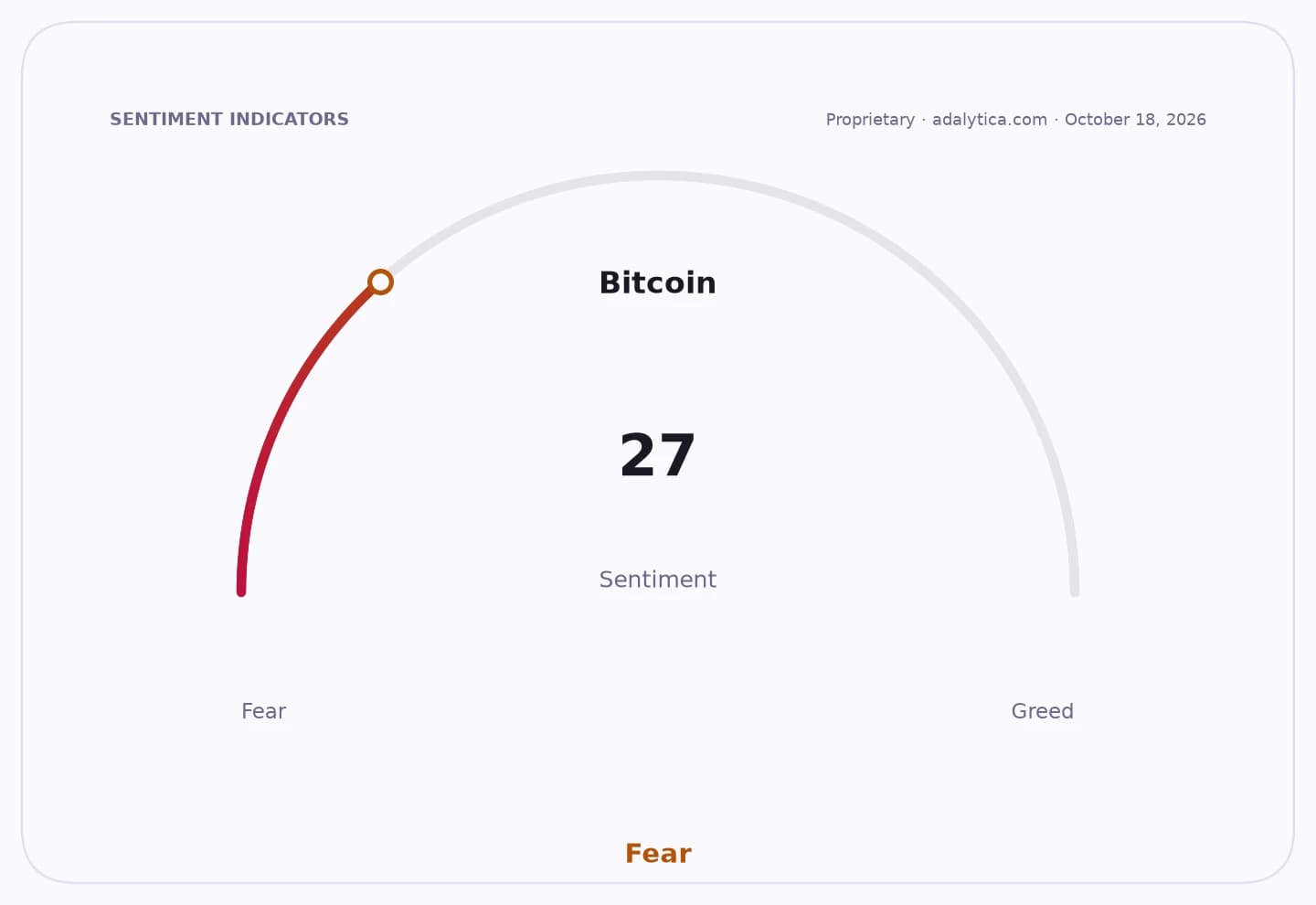
Sentiment IndicatorsⓘProprietary · adalytica.com · October 19, 2026
This is a snapshot — live sentiment, awareness and momentum for 130+ markets update continuously in the dashboard.Open AlphaPulse
Solana is the clearest example of that transition. According to RWA.xyz, the network held $4.4 billion in tradeable tokenized assets as of Oct. 14, while the number of tokenized-asset holders jumped 47% in just 30 days to 897,897. That matters because every new tokenized Treasury bill, stock or fund hosted on Solana deepens the network effect, increases transaction demand and supports the coin through fees and staking yields, currently about 4.9%. If the Alpenglow upgrade delivers faster confirmation times in testing, Solana could become a stronger venue for financial institutions that want speed without sacrificing scale.
NEAR is taking a different route to the same destination: becoming infrastructure for automated crypto activity. Its Intents service processed $4.8 billion of swaps in the 30 days through Oct. 14 and generated $8.2 million in fee revenue, which was then used to buy NEAR in the open market. That is the kind of flywheel investors should want in a five-year hold: usage creates revenue, revenue creates buybacks, and buybacks tighten supply. If a proposal to slow new token issuance to 1.6% over two years moves forward, the setup becomes even more compelling for patient holders.
Zcash and Hyperliquid fill two other niches the market often treats too lightly. Zcash remains one of the few established privacy coins with a clear use case in a world where on-chain transparency is both a feature and a limitation. Hyperliquid, meanwhile, is riding the rise of decentralized perpetual trading, one of crypto’s most durable product-market fits. In a market increasingly rewarded for platforms that keep users active and fees flowing, both names can benefit from the same broader shift: investors are no longer just buying narratives, they are buying network economics.
The caution here is simple: not every crypto that rallies becomes a five-year compounder. But the strongest long-term winners are usually the ones that become indispensable to how capital moves, settles and earns yield. Bitcoin is digital collateral. Ethereum is the base settlement layer. The opportunity now is in the picks-and-shovels around them — and that is where Solana, NEAR, Zcash and Hyperliquid offer the most interesting upside from here.
For investors willing to think in cycles, not days, the takeaway is straightforward: own the networks with real usage, real incentives and real room to scale, and let the next adoption wave do the work.
| Entity | Gains | Losses |
|---|---|---|
| Solana holders | ▲Tokenized-asset growth, staking yield | ▼Chains with weaker speed or fees |
| NEAR holders | ▲Buybacks, lower issuance | ▼Token-supply inflation |
| Zcash holders | ▲Privacy demand, scarcity narrative | ▼Transparent-only chains |
| Hyperliquid users | ▲Active trading, on-chain liquidity | ▼Centralized derivatives venues |