A dormant Bitcoin stash mined in July 2010 has suddenly moved after 16 years, turning a $29 reward into about $8.3 million at today’s price and reminding traders that the market’s oldest coins still sit on a supply base that can surface without warning.
Bitcoin Dormant 2010 Wallet Moves 100 BTC
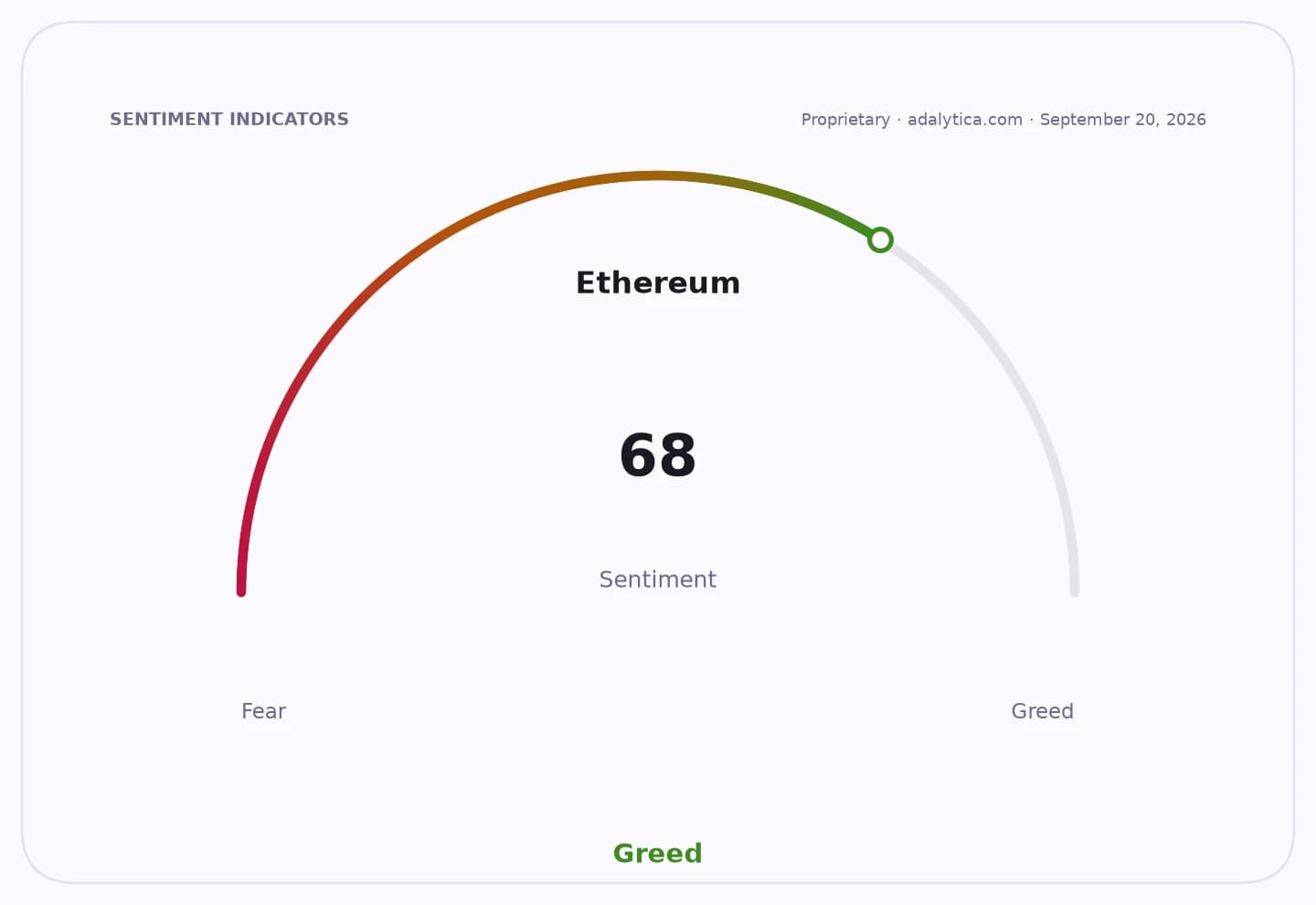
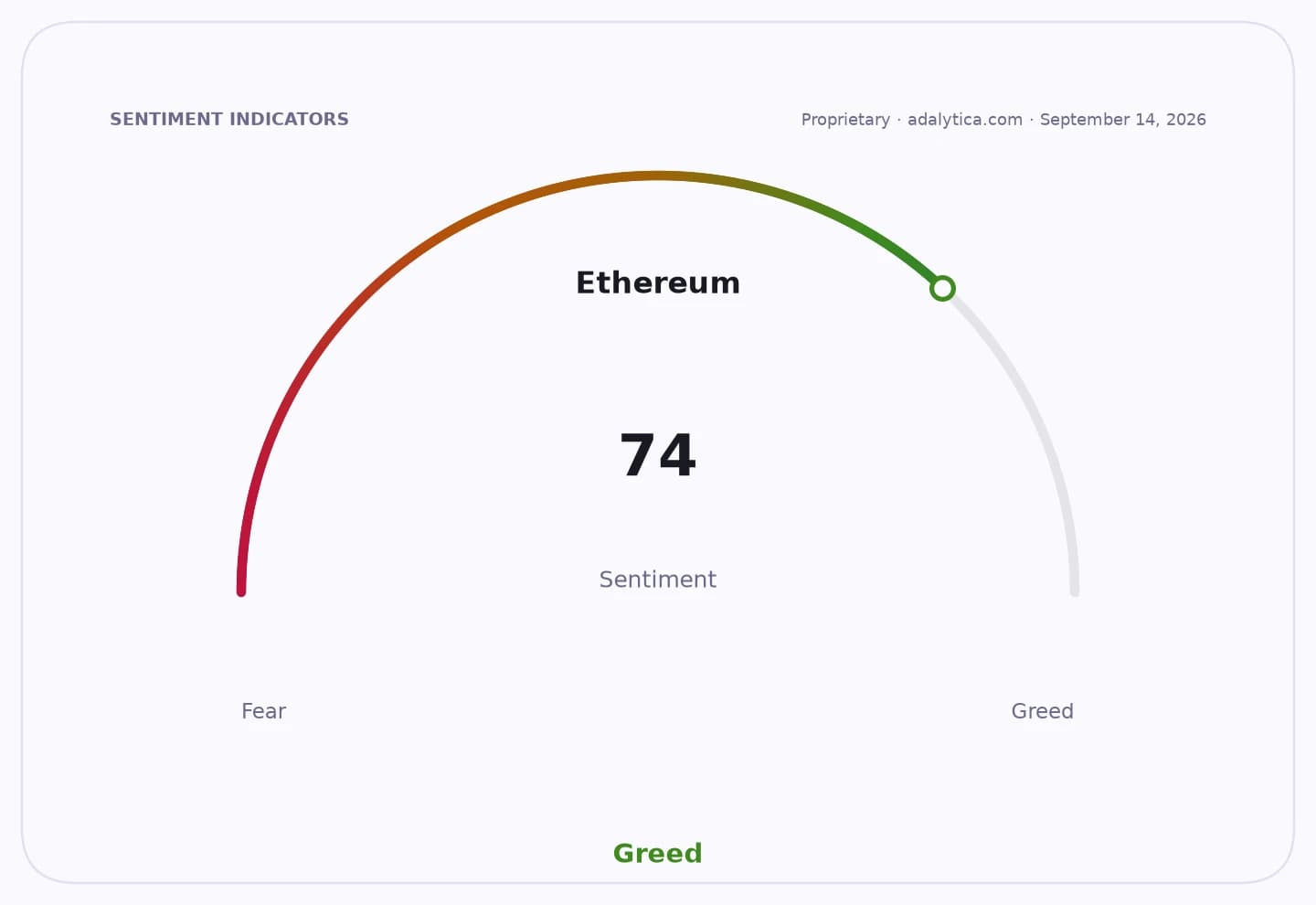
The transaction matters less for the money itself than for what it says about Bitcoin’s float. Coins mined in Bitcoin’s earliest days are effectively part of the ultimate long-duration supply pool: they are thinly held, psychologically powerful and capable of moving the market narrative even when they are not sold. In a market already wrestling with extreme fear, according to Adalytica.com’s Bitcoin Fear & Greed Index, any movement from Satoshi-era coins tends to stoke speculation about old holders, estate transfers or large long-term investors repositioning.
Sentiment IndicatorsⓘProprietary · adalytica.com · October 10, 2026
This is a snapshot — live sentiment, awareness and momentum for 130+ markets update continuously in the dashboard.Open AlphaPulse
The 100.02 BTC came from two mining rewards created in July 2010 and remained untouched until this week, according to the transaction record. The stash was split into two new addresses, with 10 BTC and 90.02 BTC still sitting there as of Thursday. That does not prove a sale, but in Bitcoin markets, ownership changes alone can be enough to move expectations because they can precede exchange deposits, OTC deals or simply a long-delayed portfolio reshuffle.
For investors, the key point is that the event reinforces Bitcoin’s core asymmetry: supply is finite, but the real free float is even tighter because a meaningful share of coins is lost, dormant or controlled by holders with multi-cycle conviction. When old coins wake up, the market takes notice not because 100 BTC is large relative to daily trading volumes, but because the coins are symbolic and the holders are often insensitive to price. That is the kind of supply overhang that can create short-term volatility without changing the long-term scarcity thesis.
The move also keeps attention on the infrastructure names leveraged to Bitcoin activity. Coinbase, the clearest public-market proxy for trading, custody and network engagement, tends to benefit when dormant supply and headline volatility draw volume back into the ecosystem. MicroStrategy remains the highest-beta equity expression of Bitcoin exposure, while Bitcoin itself continues to trade as a liquidity-sensitive macro asset, with its recent price action showing heavy swings around the low-$80,000 area and a 50-day moving average near $80,808.
The broader narrative is straightforward: when the oldest coins move, it is a reminder that Bitcoin’s market is still being shaped by legacy holders while institutional capital, macro sentiment and exchange liquidity collide. In our view, that keeps the bullish case intact for investors willing to withstand volatility, but it also argues for owning the ecosystem rather than chasing the coin after every dormant-wallet headline. The smart trade is to stay positioned for the next wave of activity, not to overreact to whether a 2010 wallet moved once more.
| Entity | Gains | Losses |
|---|---|---|
| Bitcoin holders with conviction | ▲Scarcity narrative reinforced | ▼Short-term volatility |
| Coinbase | ▲More trading activity | ▼Lower volatility if headlines fade |
| MicroStrategy | ▲Higher-beta Bitcoin exposure | ▼Deleveraging risk in drawdowns |
| Short-term speculators | ▲New catalyst for positioning | ▼Whipsawed by old-wallet moves |