Bitcoin’s pullback to about $83,237 is not breaking the investment case BlackRock is building around it: the world’s biggest asset manager says the token is increasingly being treated as a portfolio allocation, not a trade.
Bitcoin Pullback Near $83,237 Leaves BlackRock Case Intact

That distinction matters because it changes the buyer base. A portfolio asset attracts model-driven rebalancing, risk budgeting and long-term institutional flows; a speculative instrument depends on momentum and retail conviction. For investors, that means Bitcoin is gradually being pulled into the same framework that supports commodities, gold and other strategic diversifiers — and that can deepen liquidity, reduce ownership concentration and expand the market over time.
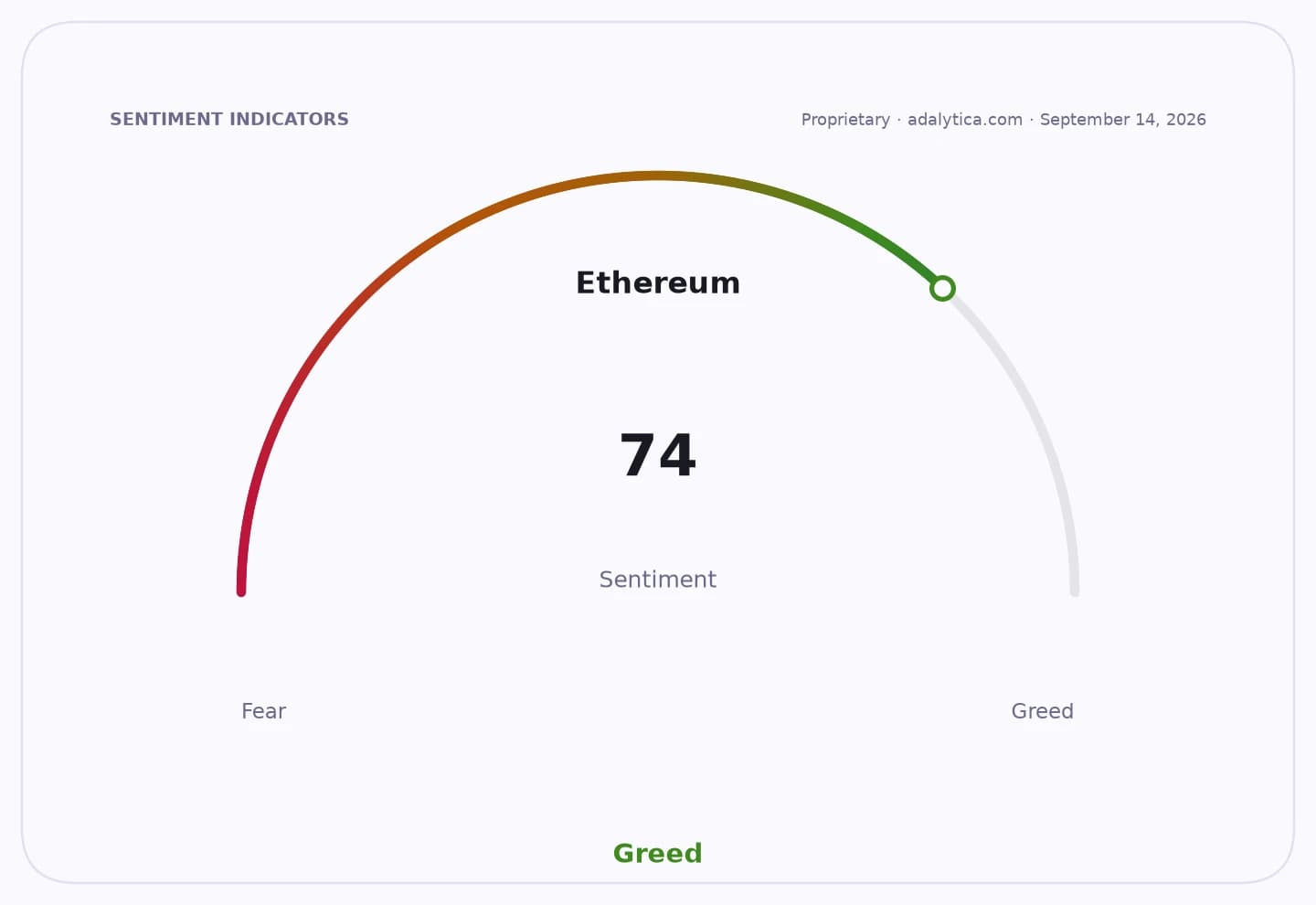
Sentiment IndicatorsⓘProprietary · adalytica.com · October 7, 2026
This is a snapshot — live sentiment, awareness and momentum for 130+ markets update continuously in the dashboard.Open AlphaPulse

BlackRock’s framing is especially important now because the market is still digesting a sharp reset. Bitcoin has fallen from above $100,000 in early November to a recent close of $83,237, while the 50-day moving average has dropped to about $80,279 and the 200-day average sits near $71,729. The token is hovering only modestly above its lower Bollinger Band, and the relative strength index at 43.5 shows the market has cooled without fully washing out. In other words, this is the kind of backdrop that tends to separate short-term speculators from allocators with a mandate.
The message from BlackRock’s Jacobs also lands at a moment when U.S. equity risk appetite remains elevated, with the S&P 500 flashing extreme greed in Adalytica’s trade signals. That contrast matters. When stocks are expensive and sentiment is crowded, portfolio investors look for uncorrelated or differently correlated assets. Bitcoin’s appeal is not that it is risk-free — it clearly is not — but that it offers a liquid, globally accessible exposure to a monetary asset with capped supply and growing institutional wrapper demand.

IBIT, BlackRock’s spot bitcoin ETF, is the clearest expression of that shift. Even after the latest slide, the fund is still trading at about $47.21, above its 200-day moving average around $41.91, and the shares have held far better than the underlying coin on a percentage basis. That tells you the wrapper matters as much as the asset. Investors are not just buying Bitcoin; they are buying access, custody, reporting and the ability to size the position inside a regulated portfolio.
The investable conclusion is straightforward: the market may still be pricing Bitcoin like a volatile proxy for risk appetite, but BlackRock is helping reprice it as an allocation class. That favors the infrastructure around it — spot ETFs, custodians, exchanges, miners with disciplined balance sheets and payment rails — more than the coin alone. If institutional adoption keeps broadening, the next leg of returns may not come from another speculative surge, but from a steady migration of capital into Bitcoin as a permanent line item in diversified portfolios.
For investors, the opportunity is to position before that migration becomes consensus. Bitcoin remains volatile, but BlackRock’s message is that volatility is not the same as irrelevance. The market is learning to treat Bitcoin less like a bet and more like a balance-sheet decision, and that is how secular capital flows begin.
| Entity | Gains | Losses |
|---|---|---|
| BlackRock / IBIT | ▲ETF inflows, fee growth | ▼Less if adoption stalls |
| Bitcoin allocators | ▲Portfolio diversification | ▼Short-term volatility |
| Spot bitcoin holders | ▲Broader institutional demand | ▼Traders betting on breakdown |
| Legacy cash / low-yield assets | ▲None | ▼Capital rotation pressure |