Interactive Brokers is moving beyond crypto trading into yield generation, launching Ethereum staking for eligible clients in a bid to make digital assets more income-producing inside a traditional brokerage account.
Interactive Brokers Launches Ethereum Staking

The rollout matters because staking turns ETH from a purely tradable asset into one that can potentially generate rewards, giving Interactive Brokers a new way to deepen client engagement and compete for wallet share as mainstream brokers race to add crypto services. It also underscores how crypto infrastructure is being absorbed into established brokerage platforms, a development that could broaden access to staking while pressuring dedicated exchanges and crypto-native brokers.
Sentiment IndicatorsⓘProprietary · adalytica.com · October 14, 2026
This is a snapshot — live sentiment, awareness and momentum for 130+ markets update continuously in the dashboard.Open AlphaPulse
Interactive Brokers said the service is being offered through a partnership with Zerohash, which will provide the staking infrastructure. Clients can access the feature through a staking dashboard in the firm’s Client Portal, where they can submit staking and unstaking requests and track pending transactions.
The launch initially focuses on Ethereum, the largest proof-of-stake blockchain, and comes as the company looks to let investors “earn more from the assets they hold,” chief executive Milan Galik said. He compared the offering to IBKR’s Stock Yield Enhancement Program, a reminder that the brokerage sees crypto staking not as a novelty but as an extension of an existing business model: lending out customer assets in exchange for a share of the income.
That positioning has economic significance for Interactive Brokers. The firm oversees more than $900 billion in client assets, so even a modest conversion of brokerage cash and crypto balances into staking products could create a meaningful new fee or spread-related revenue stream over time. It also strengthens the stickiness of client assets at a time when brokers are looking for ways to keep customers inside their own ecosystems rather than routing them to outside wallets, exchanges or decentralized finance platforms.
The move also fits a broader industry pattern. Interactive Brokers already supports trading in as many as 20 digital assets and has previously added Bitcoin and Ethereum futures through Coinbase Derivatives. In May, it also entered prediction markets with a platform that aggregates contracts from Kalshi, CME and ForecastEx. The message is consistent: the brokerage is trying to become a one-stop venue for speculative and yield-seeking retail and professional investors alike.
For investors, the question is less whether Ethereum staking is strategically sensible than how much it can move the needle. Crypto services remain a relatively small part of Interactive Brokers’ business compared with its core brokerage, clearing and margin operations. But the move is still important because it expands the firm’s addressable market, raises switching costs and keeps it relevant as client demand shifts toward digital assets, tokenized products and alternative income streams.
The stock’s immediate reaction was muted. IBKR fell more than 1% in the session and has slipped about 4% over the past month, though it remains up more than 32% this year. From a technical standpoint, the shares are still above the 200-day moving average but have recently traded below the 50-day average, suggesting momentum has cooled even as the longer-term trend remains intact.
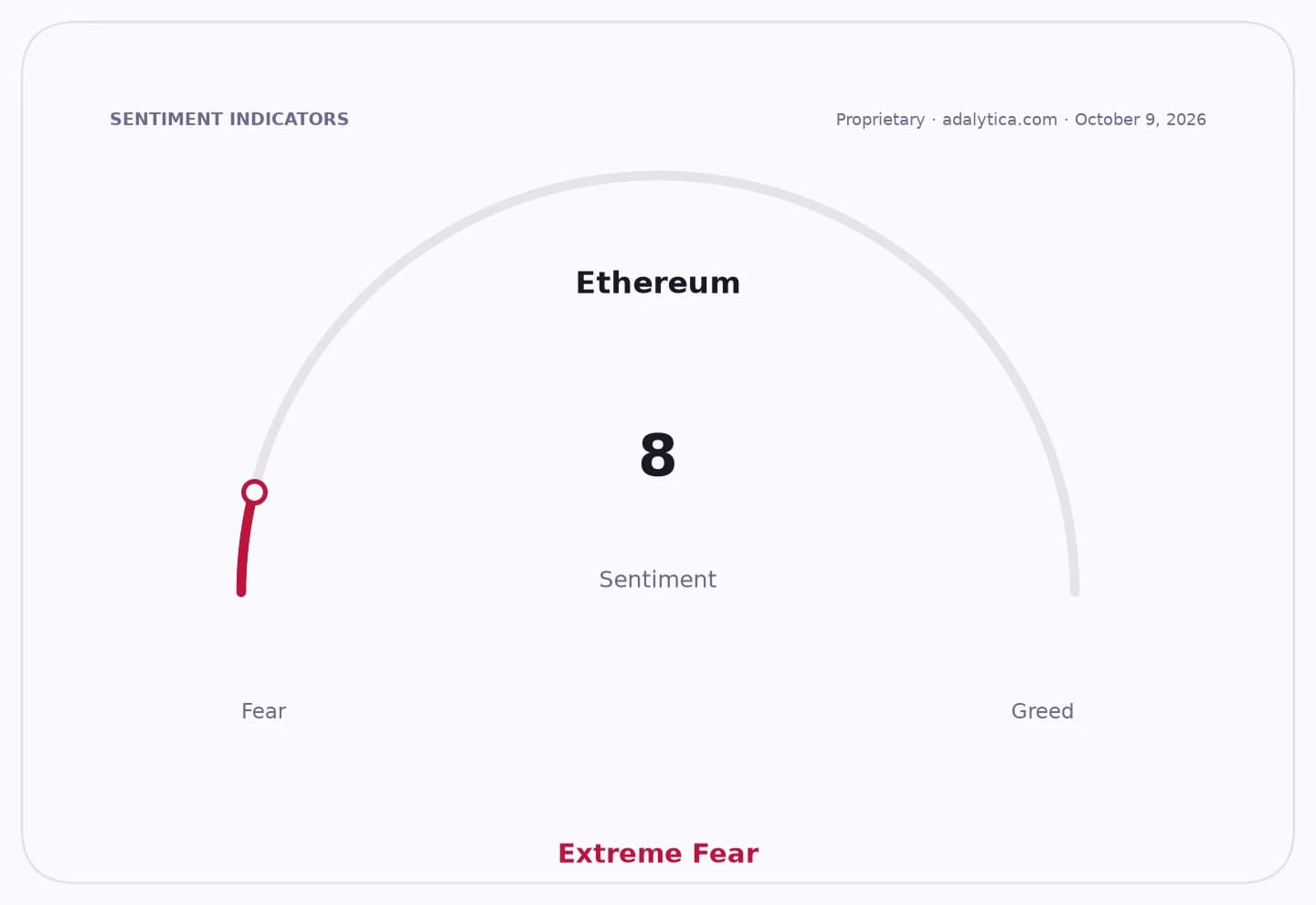
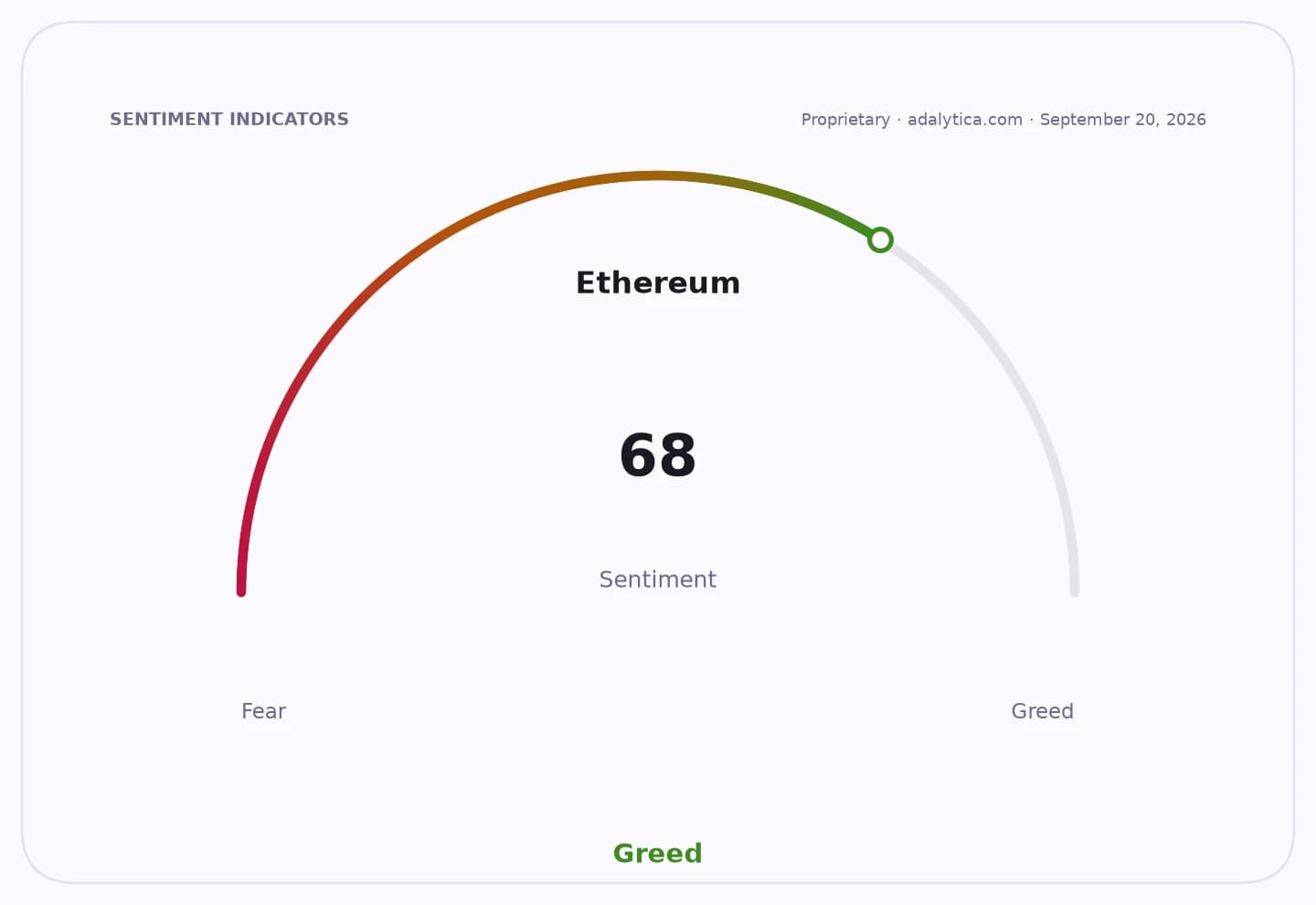
The timing is notable because Ethereum itself is under pressure. Adalytica’s Ethereum Fear & Greed Index shows sentiment in fear territory, while broader crypto risk appetite has also been weak. That backdrop cuts both ways: a soft ETH market could slow staking demand in the near term, but it may also make yield-bearing products more attractive to holders looking for ways to earn while waiting for a recovery.
The regulatory overhang is the main bear case. Staking services have drawn scrutiny in the US, and brokerages offering crypto yield products must navigate a shifting legal landscape around whether certain tokens or services could be treated as securities. Robinhood’s own filings have highlighted that risk. For Interactive Brokers, the partnership with Zerohash may help limit operational complexity, but it does not remove the policy uncertainty surrounding crypto yield products.
| Entity | Gains | Losses |
|---|---|---|
| Interactive Brokers | ▲New fee stream; stickier assets | ▼Regulatory complexity |
| Zerohash | ▲Infrastructure demand; institutional reach | ▼Reliance on partner growth |
| Ethereum holders | ▲Staking rewards; easier access | ▼Liquidity lockup risk |
| Crypto-native venues | ▲Less exclusivity | ▼Brokerage share loss |