Tokenized stock trading is increasingly being used to do what traditional U.S. markets cannot: let investors trade outside the 9:30 a.m. to 4 p.m. Eastern session, and that shift could become a real liquidity story for crypto and equities alike.
Tokenized Stocks Trade After U.S. Market Hours
The most important development is not simply that tokenized shares are growing onchain, but that the bulk of the activity is happening when Wall Street is shut. Blockworks data cited by The Kobeissi Letter shows more than 70% of tokenized stock volume on BNB Chain occurs outside regular U.S. market hours, versus 63% on Solana and nearly 60% on Base. That pattern matters because it suggests tokenized equities are already serving a genuine market need: extending access, not just repackaging stocks in a new wrapper.
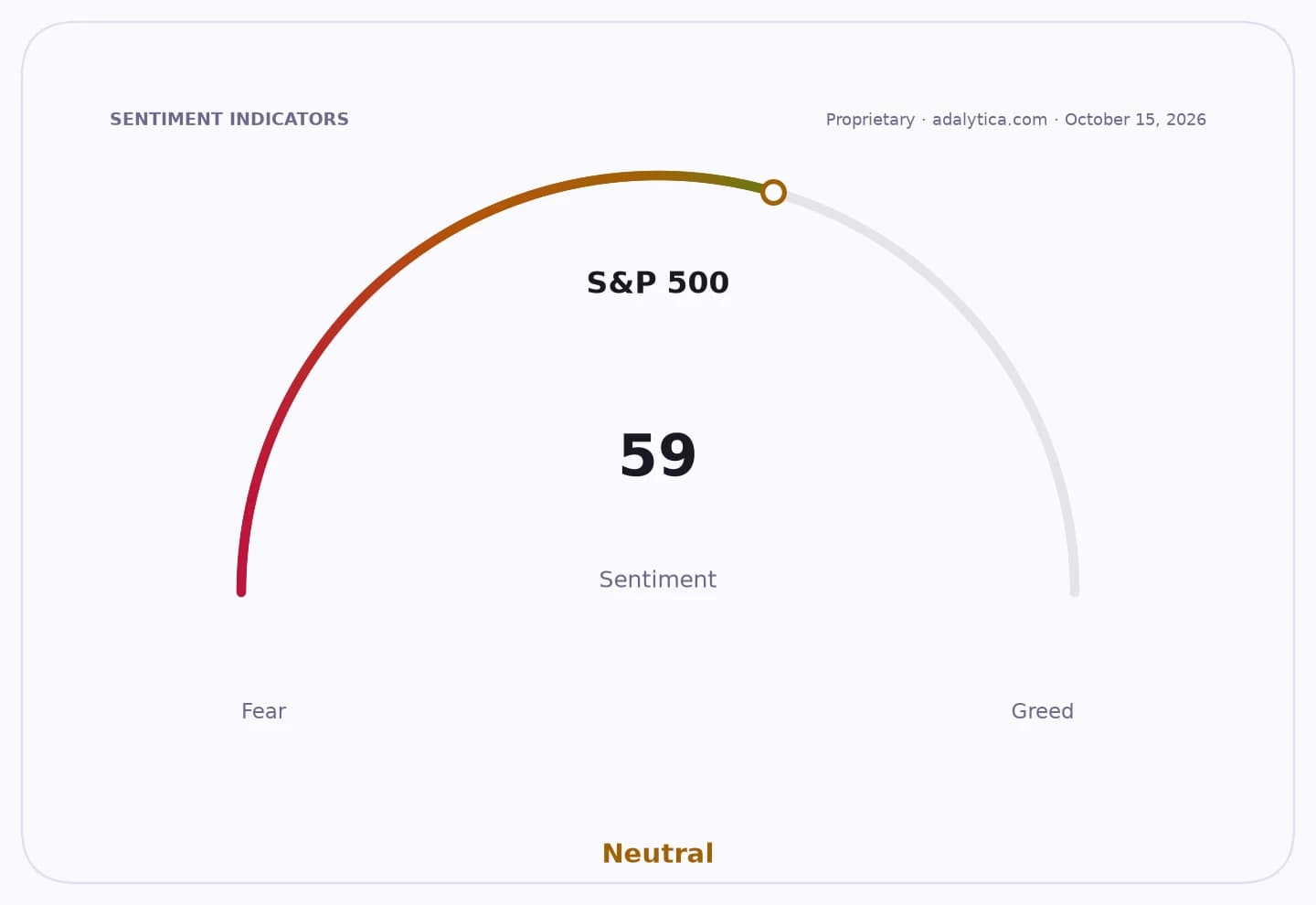
Sentiment IndicatorsⓘProprietary · adalytica.com · October 14, 2026
This is a snapshot — live sentiment, awareness and momentum for 130+ markets update continuously in the dashboard.Open AlphaPulse
For investors, that is a secular adoption signal. When trading concentrates outside U.S. hours across multiple blockchains, it implies users value tokenized stocks as a liquidity tool, a timing tool and, increasingly, an alternative venue for price discovery. This is exactly the kind of behavior that tends to deepen network effects. The more traders use tokenized assets to express views overnight, the more liquidity attracts liquidity.
The numbers support that thesis. Jupiter, a major Solana trading venue, reported a 50% month-over-month jump in tokenized asset trading volume, while RWA data shows the value of tokenized stocks has risen about 15% over the past 30 days to nearly $3.3 billion. That is still small beside the broader equity market, but the direction of travel is what matters. The market is moving from experimental wrappers toward an actual trading habit.
The bigger investment implication is that tokenized equity infrastructure may be closer to an inflection point than consensus assumes. Issuers such as Ondo Global Markets, xStocks and bStocks are building cross-chain distribution, and that matters because the winning model is likely to look less like a single-chain niche and more like a liquidity network spanning multiple venues. In that environment, the beneficiaries are not just the token issuers. Exchanges, wallets, market makers, onchain trading platforms and the blockchains themselves all gain if tokenized stock turnover keeps rising.
Regulation is the next catalyst. The SEC’s new “innovation exemption” is designed to allow qualifying venues to trade tokenized U.S.-listed stocks on public blockchains, with disclosure requirements that include prices, sizes, timestamps and daily volume. That framework could matter far more than the usual crypto headline cycle because it creates a path for compliant domestic participation. Right now, many tokenized stock products remain unavailable to U.S. investors. If that barrier falls, the hours-based demand already visible onchain could scale sharply.
That is why this story should matter to crypto investors, equity investors and policy watchers at the same time. For crypto, tokenized stocks are a plausible new source of structural usage beyond pure speculation. For equities, they are a potential challenge to the old idea that stock trading must stop when the bell rings. For regulators, they are a test case for whether public blockchains can host regulated markets without sacrificing disclosure.
The market is already hinting at where this goes next. Bitcoin and Ethereum sentiment remain mired in extreme fear in Adalytica’s gauges, which is exactly the sort of backdrop that often precedes a rotation toward underappreciated infrastructure themes. I believe the real opportunity is not in chasing the tokens themselves, but in the rails that make 24/7 equity access possible: Solana, BNB Chain, trading venues, and the infrastructure names tied to tokenization and settlement.
If the SEC’s framework keeps opening the door and onchain liquidity keeps building after U.S. hours, tokenized stocks could become one of the most consequential bridges between traditional finance and crypto. The best way to position for that shift is to focus on the picks-and-shovels: the networks, platforms and liquidity providers that stand to profit every time the market keeps trading after the closing bell.
| Entity | Gains | Losses |
|---|---|---|
| Solana, BNB Chain, Base | ▲More onchain trading volume | ▼Traditional U.S. hours constraint |
| Tokenized stock issuers | ▲Deeper adoption | ▼Access limits for U.S. users |
| Trading platforms like Jupiter | ▲Higher tokenized asset activity | ▼Legacy venue exclusivity |
| U.S. exchanges | ▲Less after-hours monopoly | ▼Share of extended-session flow |