U.S. stocks slipped Tuesday as a sharp drop in chip shares, volatile oil and a global crypto crackdown kept investors on edge, while small-cap names and event-driven trades delivered the day’s biggest moves.
U.S. Stocks Slip as Chips, Oil and Crypto Weigh
That combination matters because it shows this is not a clean risk-on or risk-off tape. Instead, capital is rotating hard between high-beta winners and losers, with rate-sensitive small caps, speculative growth and digital assets all reacting to the same underlying force: tighter liquidity and rising regulatory pressure. The S&P 500 fell 0.14%, the Dow Jones Industrial Average lost 0.12% and the Nasdaq Composite dipped 0.23% by late morning, but those modest index moves hide a far more violent cross-asset setup.
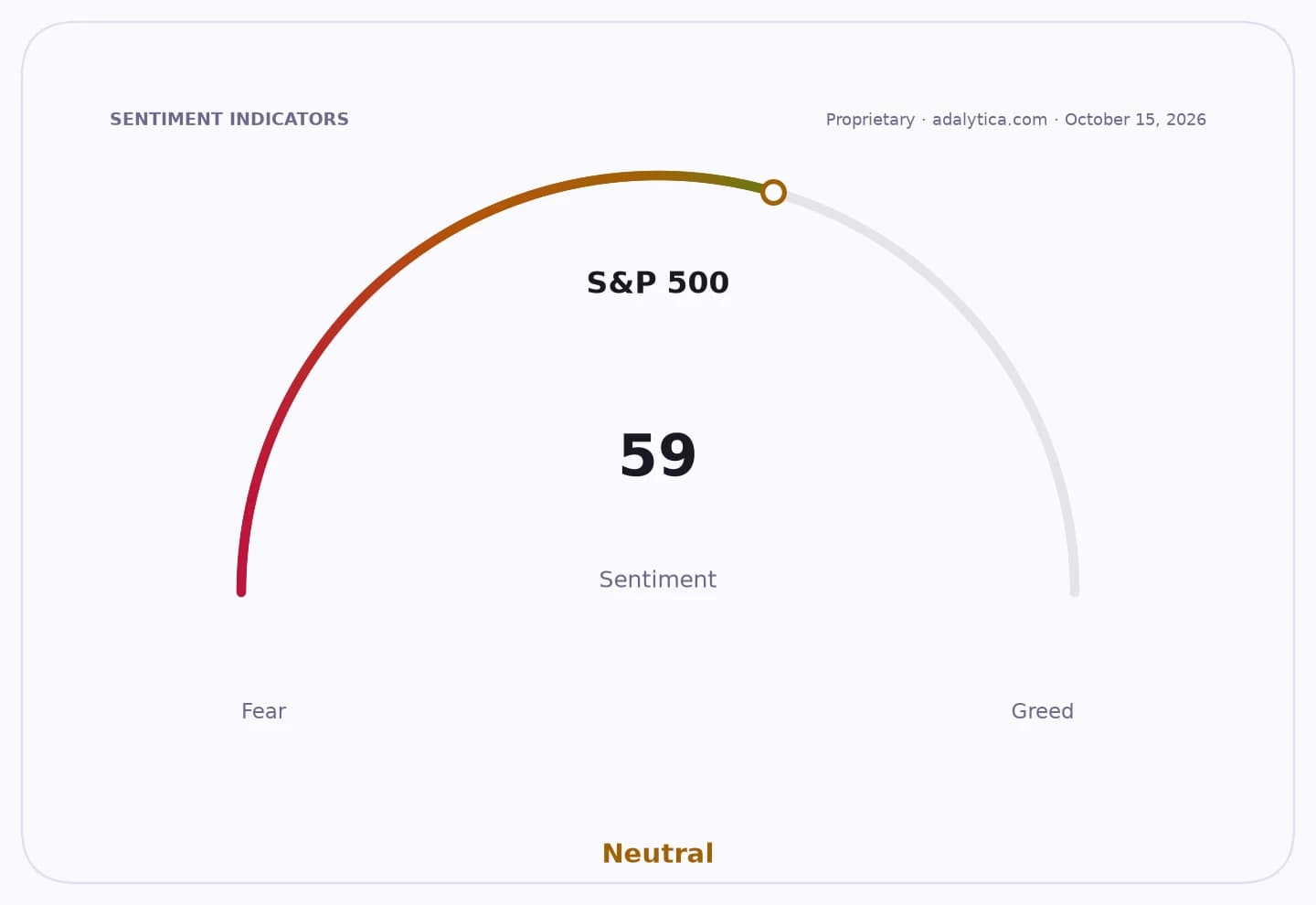
Sentiment IndicatorsⓘProprietary · adalytica.com · October 15, 2026
This is a snapshot — live sentiment, awareness and momentum for 130+ markets update continuously in the dashboard.Open AlphaPulse
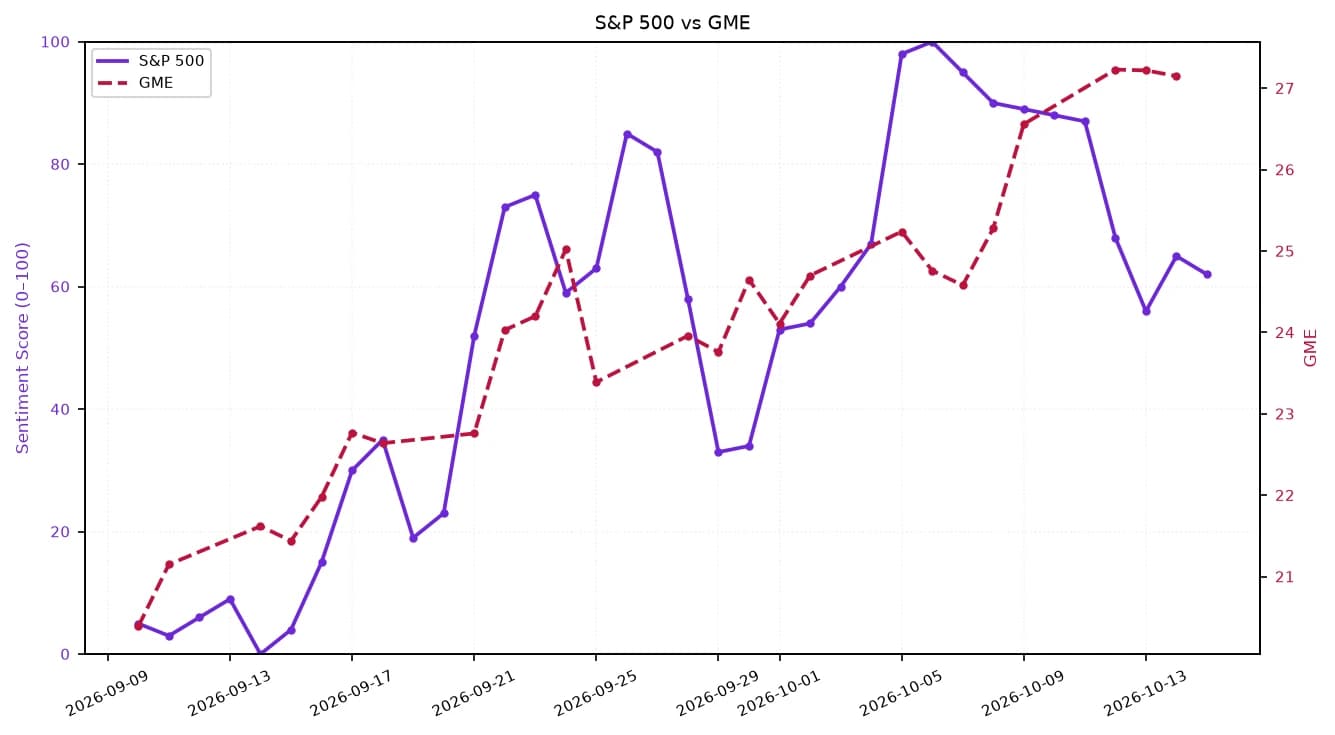
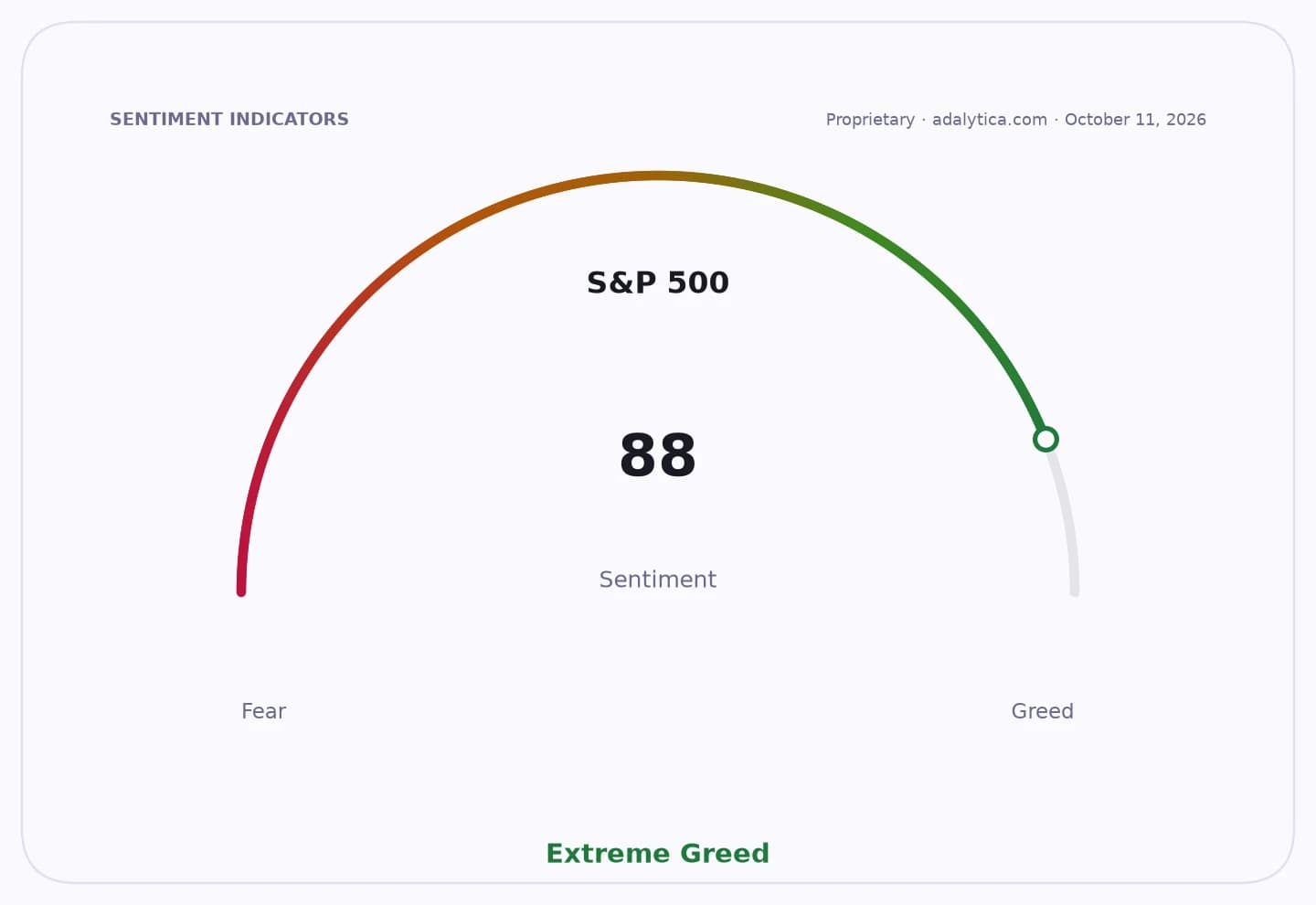
The clearest macro signal is in rates and the dollar. The 10-year Treasury yield was around 5.21% and the 2-year near 4.79%, levels that keep pressure on long-duration assets and make it harder for unprofitable growth stocks, crypto proxies and small caps to sustain multiple expansion. At the same time, Adalytica’s U.S. dollar trade signals show sentiment in “Greed” territory, a reminder that tighter financial conditions are still dominating the backdrop even as the S&P 500’s trade signals remain neutral.
For investors, that means the real opportunity is not broad index exposure but selective positioning in the pockets where policy, capex and volatility collide. One example is Fermi, which jumped more than 21% after signing a credit support agreement with AMD for its Project Matador AI and energy buildout in Texas. That is the kind of infrastructure-and-compute trade the market underestimates: AI is not just about chipmakers, it is about power, financing and the companies that can lock in scarce capacity early.
The small-cap tape also remains unusually fertile for traders willing to accept risk. Alaunos Therapeutics soared 123% after announcing the acquisition of Velaris Therapeutics, while Bio-Key International rose 88% on a management appointment and Bumble jumped 56% after agreeing to be acquired in an all-cash deal valuing it at $1.3 billion. Those moves are not random; they are the product of a market that is rewarding corporate catalysts, balance-sheet events and takeout optionality over passive beta.
Dividend ex-dates added another layer of event risk. InterDigital, Micron Technology, Corporacion Inmobiliaria Vesta, Barnes & Noble Education and GFL Environmental all move ex-dividend around Wednesday, creating short-term pricing distortions that income investors and arbitrage traders must watch closely. Micron’s token 15-cent payout is small, but its presence on the list is a reminder that even mega-cap technology names are still being judged through the lens of capital return, not just AI capex.
Crypto is the other fault line. South Korea’s financial intelligence unit has banned 27 exchanges, including KuCoin and MEXC, while the UK seized £3.8 billion worth of bitcoin in one of the largest confiscations on record. Sberbank also secured approval to trade bitcoin and other cryptocurrencies, and Binance will shut down its mining pool and related services in November. The message is unmistakable: the next phase of crypto growth is being shaped as much by compliance, state power and infrastructure consolidation as by speculative enthusiasm.
That split creates a clear investing map. The losers are the thinly capitalized exchange names, shadowy venues and high-leverage crypto operators exposed to enforcement risk. The winners are regulated on-ramps, compliant custody platforms, data-center owners, power providers and infrastructure suppliers that can serve both AI and digital-asset workloads. In other words, the market is not just repricing coins; it is repricing the plumbing.
The broader implication is that this is a stock-picker’s market, not a passive investor’s market. With the S&P 500 still near record territory but small caps, chips and crypto all flashing stress at the same time, the best returns are likely to come from owning the beneficiaries of scarcity — compute, power, AI infrastructure and select takeover targets — while fading the most fragile speculative names. If you want exposure to the next leg of this cycle, I believe the smarter trade is to buy the toll roads of the digital economy, not the most crowded vehicles riding on top of it.
| Entity | Gains | Losses |
|---|---|---|
| AI infrastructure firms | ▲Capex windfall | ▼Higher financing costs |
| Crypto-compliant platforms | ▲Regulatory legitimacy | ▼Shadow exchanges |
| Small-cap catalysts | ▲Speculative rerating | ▼Passive index holders |
| Chip stocks | ▲Long-term AI demand | ▼Valuation compression |