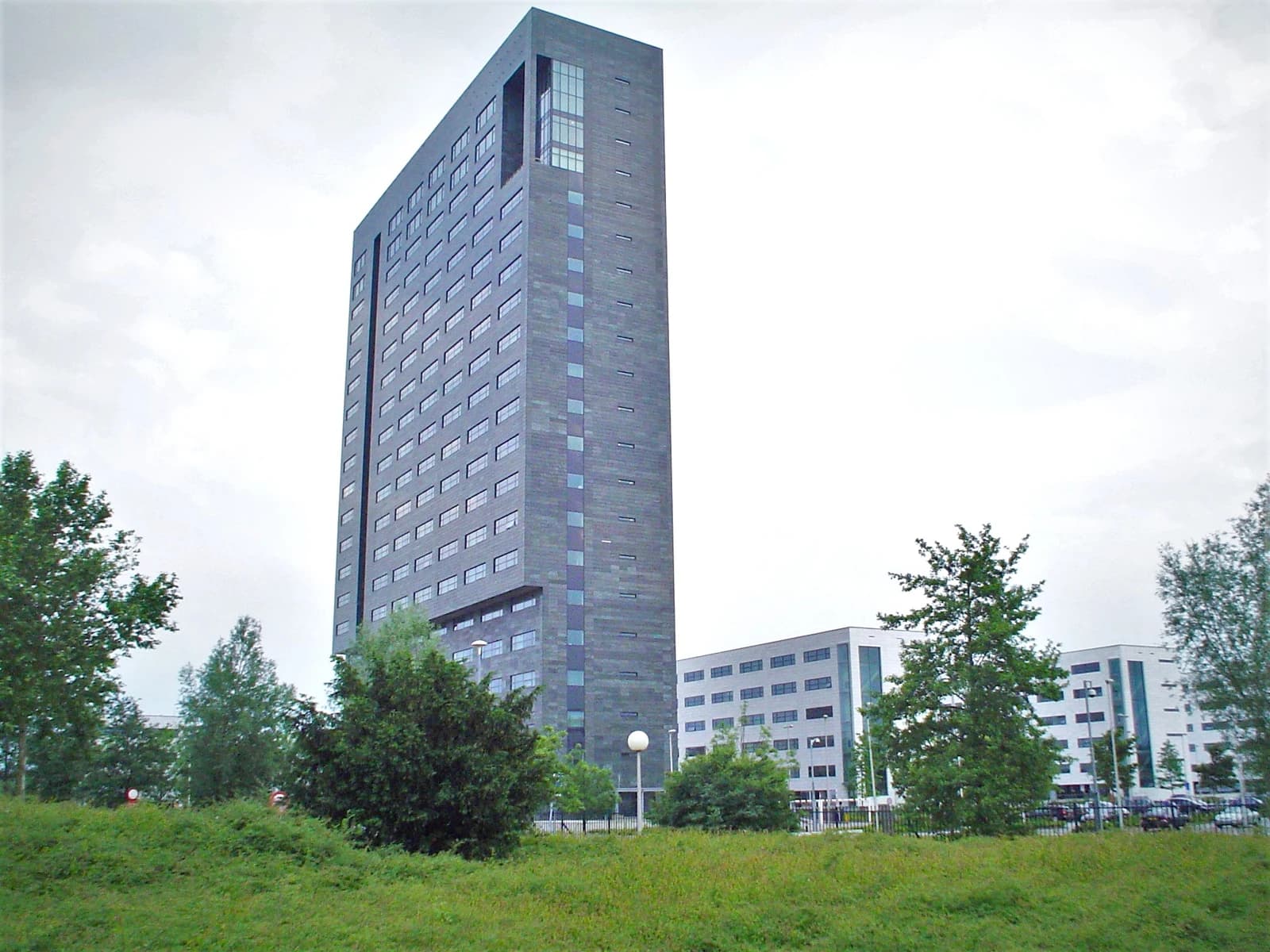
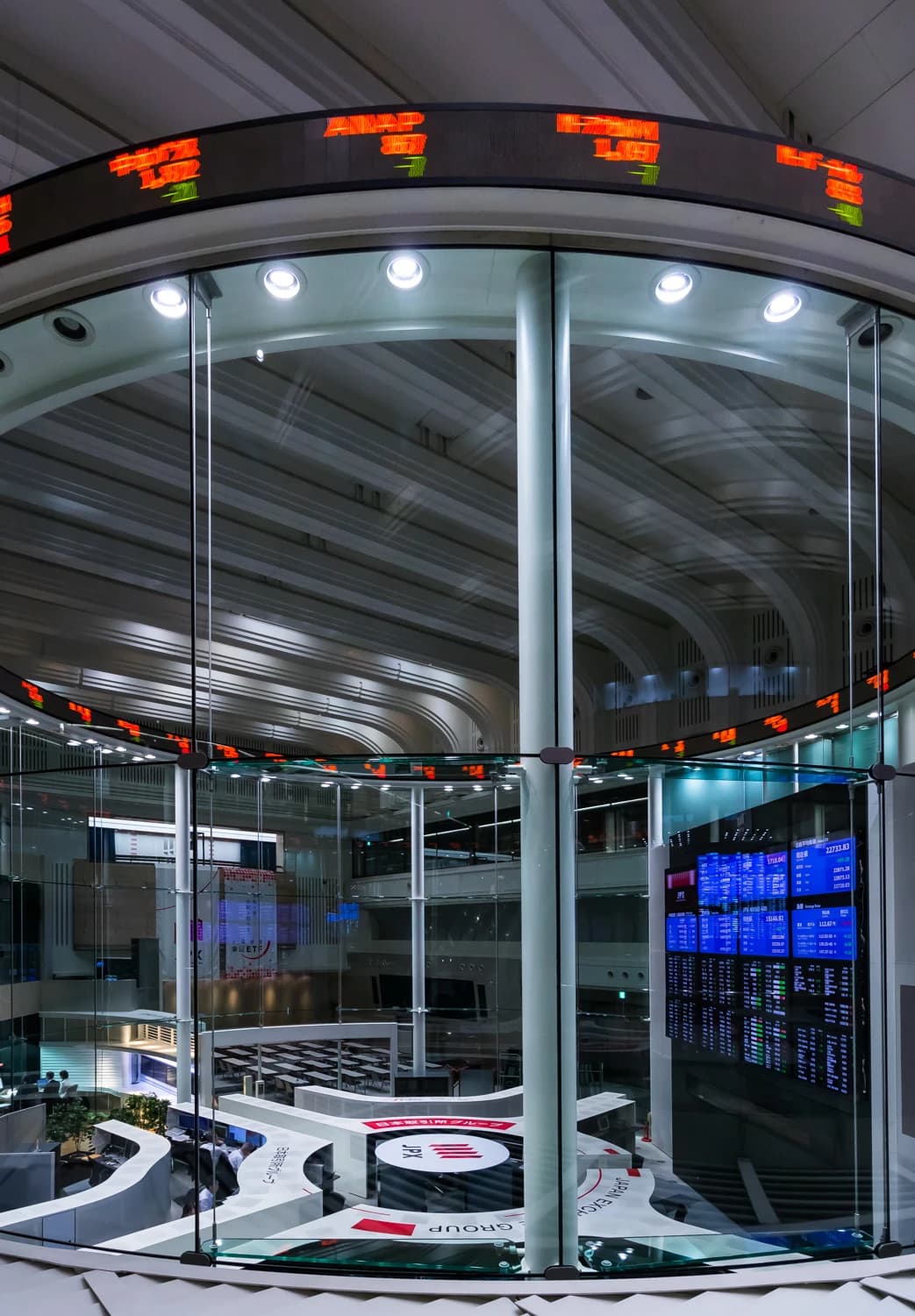
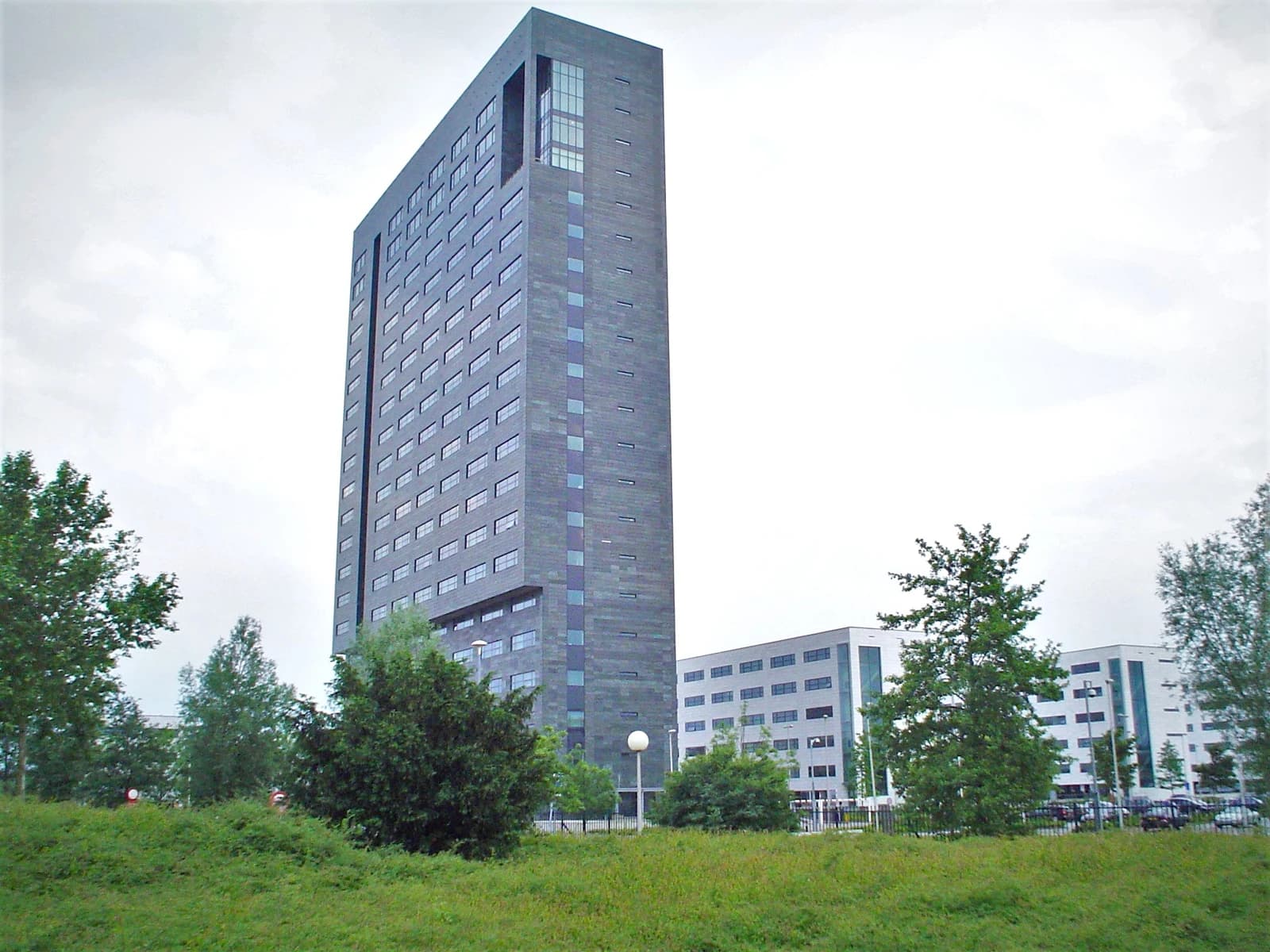
ASML’s latest drop is the market’s clearest warning that semiconductor leadership is no longer being rewarded for good earnings alone, and that matters because chips remain the most important barometer for global capex, AI infrastructure spending and risk appetite across Asia and U.S. tech.
ASML Falls as Semiconductor Selling Broadens
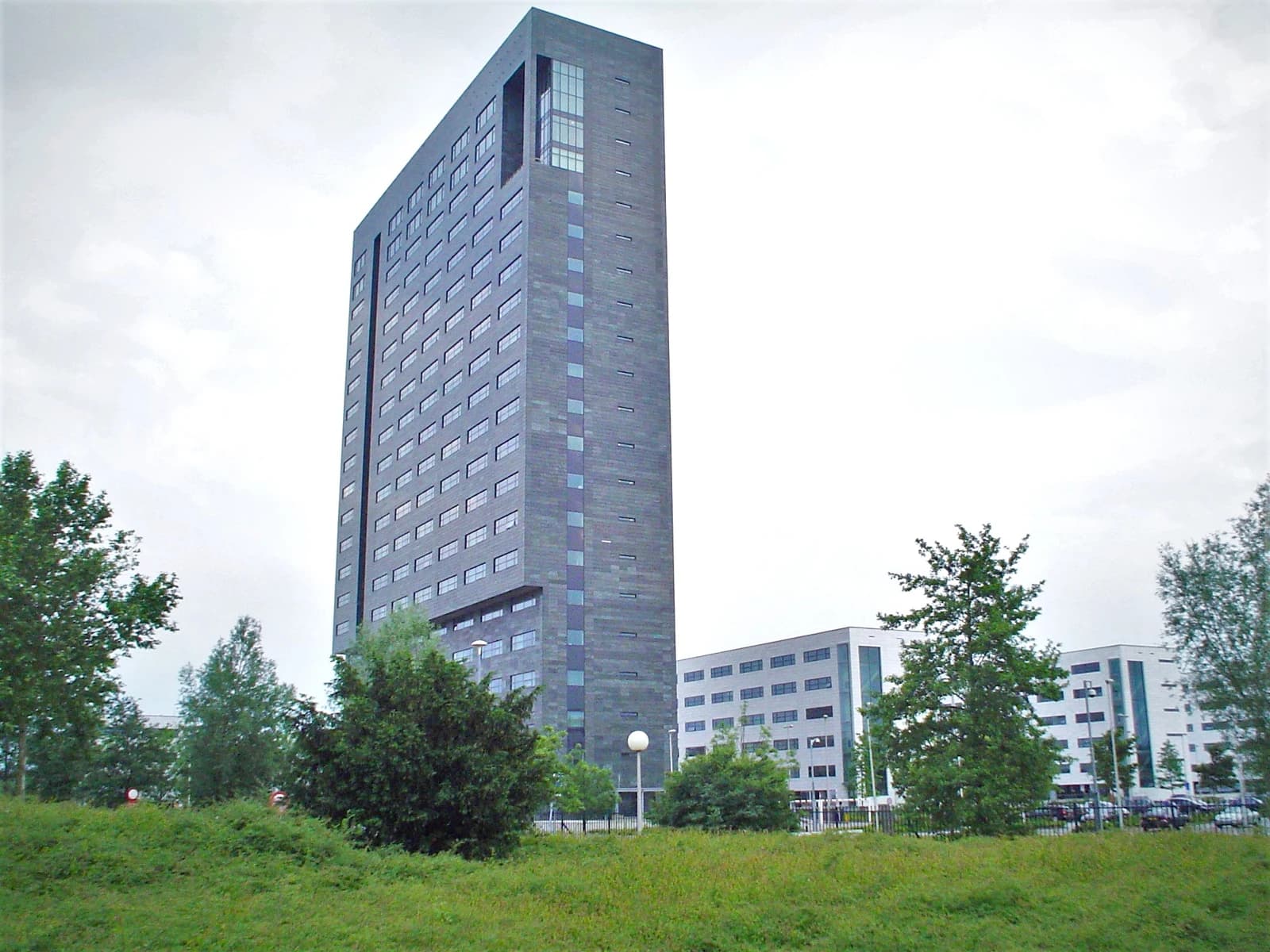
The Dutch equipment giant fell to about 1,650 on Oct. 14 from 1,717.76 the previous day and 1,750.24 on Oct. 12, extending a sharp pullback after its post-earnings surge earlier this year. The stock is still up from spring lows, but the tape now says investors are fading the entire semiconductor complex even as ASML reported Q3 net sales of €11.7 billion and net income of €5.0 billion and forecast full-year sales of €44 billion to €45 billion with gross margin around 56%.
Sentiment IndicatorsⓘProprietary · adalytica.com · October 15, 2026
This is a snapshot — live sentiment, awareness and momentum for 130+ markets update continuously in the dashboard.Open AlphaPulse
That disconnect is the real story. In a healthy cycle, a company posting record profitability would anchor the sector. Instead, semiconductors are being sold as if the market is worried about how much of the AI buildout is already priced in, how cyclical the next leg of demand may be and whether current valuations can survive a less forgiving macro backdrop. When the most indispensable supplier in the chip supply chain weakens, the pressure spreads fast to wafer makers, equipment names and the broader growth trade.
The market reaction has already reached Asia. South Korea’s KOSPI failed to stage a convincing rebound, with the semiconductor-heavy benchmark unable to shake off the global risk-off tone. That matters because Korean equities are among the most direct proxies for memory-chip demand and AI hardware spending. Samsung and other regional chip names have been key beneficiaries of the AI capex boom, but a stalled rebound suggests investors are taking profits rather than paying up for another leg higher.
S&P 500 vs ASMLadalytica.com
Explore this data interactively — full history, time series and cross-market comparisons.Open AlphaPulse
The technical picture reinforces the caution. ASML closed well below its 50-day moving average, while its relative strength index has fallen to 41.7 from an overbought 80 in August, showing momentum has cooled materially. The SOXX semiconductor ETF dropped to 519.42 on Oct. 14 from 544.85 two days earlier, and SMH slipped to 564.74 from 590.99, underscoring that this is not an isolated European move but a broad de-risking across the sector. In the U.S., the S&P 500 trade signals tracked by Adalytica show neutral sentiment but “extreme fear” in awareness, a sign that investors remain jumpy even after the market’s big 2026 run.
For investors, that creates a split market. The first trade is defensive: fading crowded semiconductor beta, especially where multiples already assume uninterrupted AI demand. The second, and more interesting trade, is to own the picks-and-shovels that can compound through volatility — the capital equipment, materials and infrastructure names tied to persistent fab spending rather than short-cycle handset or consumer electronics demand. ASML itself remains the most strategically important bottleneck in the semiconductor ecosystem, but near term the market is telling you it wants proof, not promises.
I believe this reset is less a verdict on AI and more a digestion phase after a massive front-loading of expectations. If ASML can keep delivering record margins while TSMC posts another quarter of gains and Samsung continues to invest heavily in manufacturing, the long-term uptrend in chip capital spending remains intact. But until the market regains confidence, the winners are likely to be the best balance sheets, the hardest-to-replicate suppliers and the investors patient enough to buy the next breakout after the selloff exhausts itself.
| Entity | Gains | Losses |
|---|---|---|
| ASML | ▲Long-term bottleneck status | ▼Near-term multiple compression |
| SOXX / SMH | ▲Traders betting on a reset | ▼Momentum investors |
| KOSPI semis | ▲Selective bargain hunters | ▼Broad index bulls |
| AI capex suppliers | ▲Continued fab spending | ▼Consumer-cycle chip names |