Blockchain.com has filed for U.S. regulatory approval to launch crypto derivatives and prediction markets, a move that could pull more trading volume into federally overseen markets and intensify competition across the digital-asset exchange stack.
Blockchain.com seeks CFTC approval for derivatives
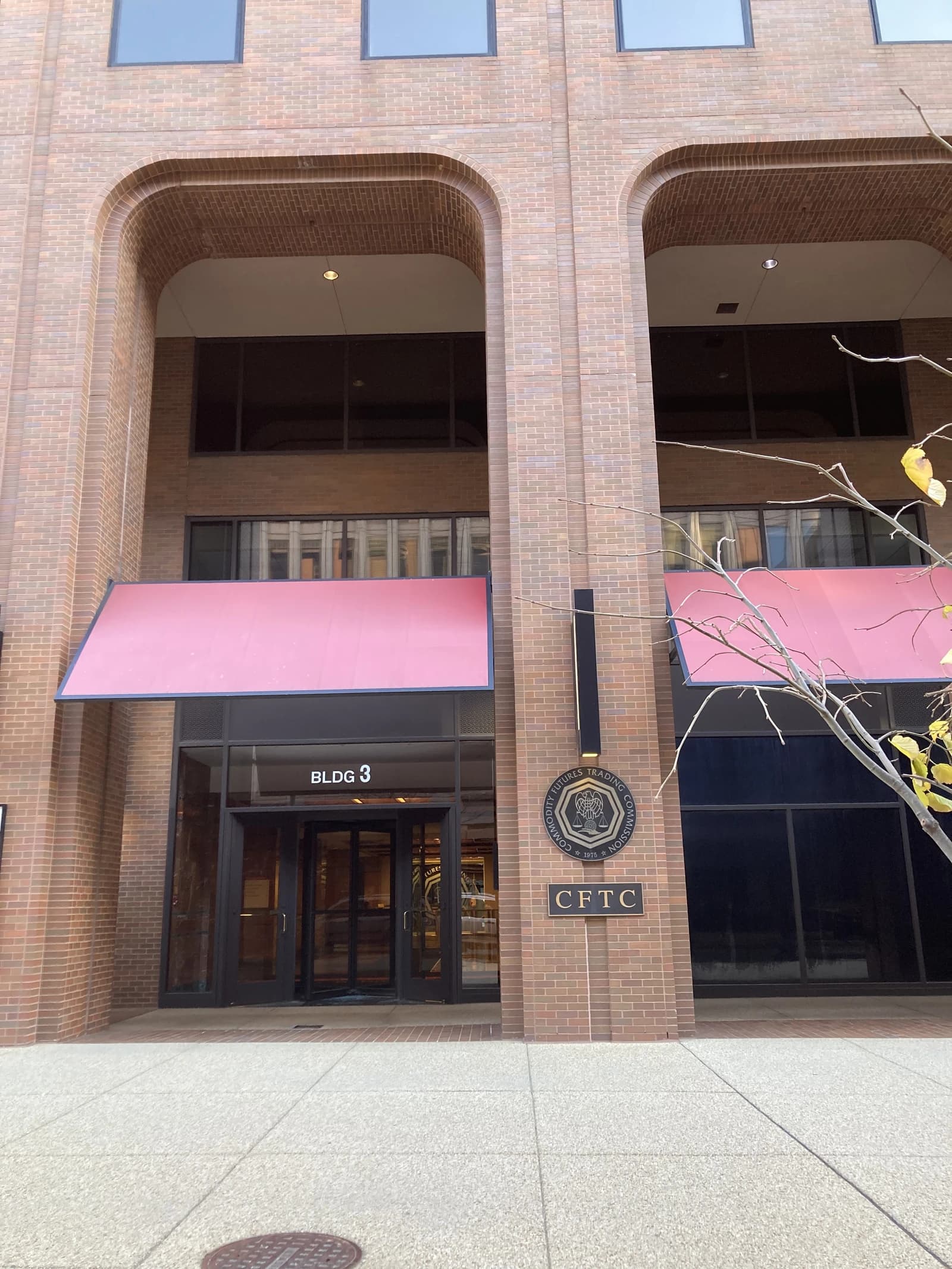
The company said it is seeking registration with the Commodity Futures Trading Commission as both a futures commission merchant and a designated contract market, licenses that would let it handle derivatives transactions and list contracts for trading. If approved, Blockchain.com could offer crypto futures, options and event contracts to retail and institutional clients in the U.S., turning its platform into a one-stop venue for spot trading, leveraged products and event-based wagers.
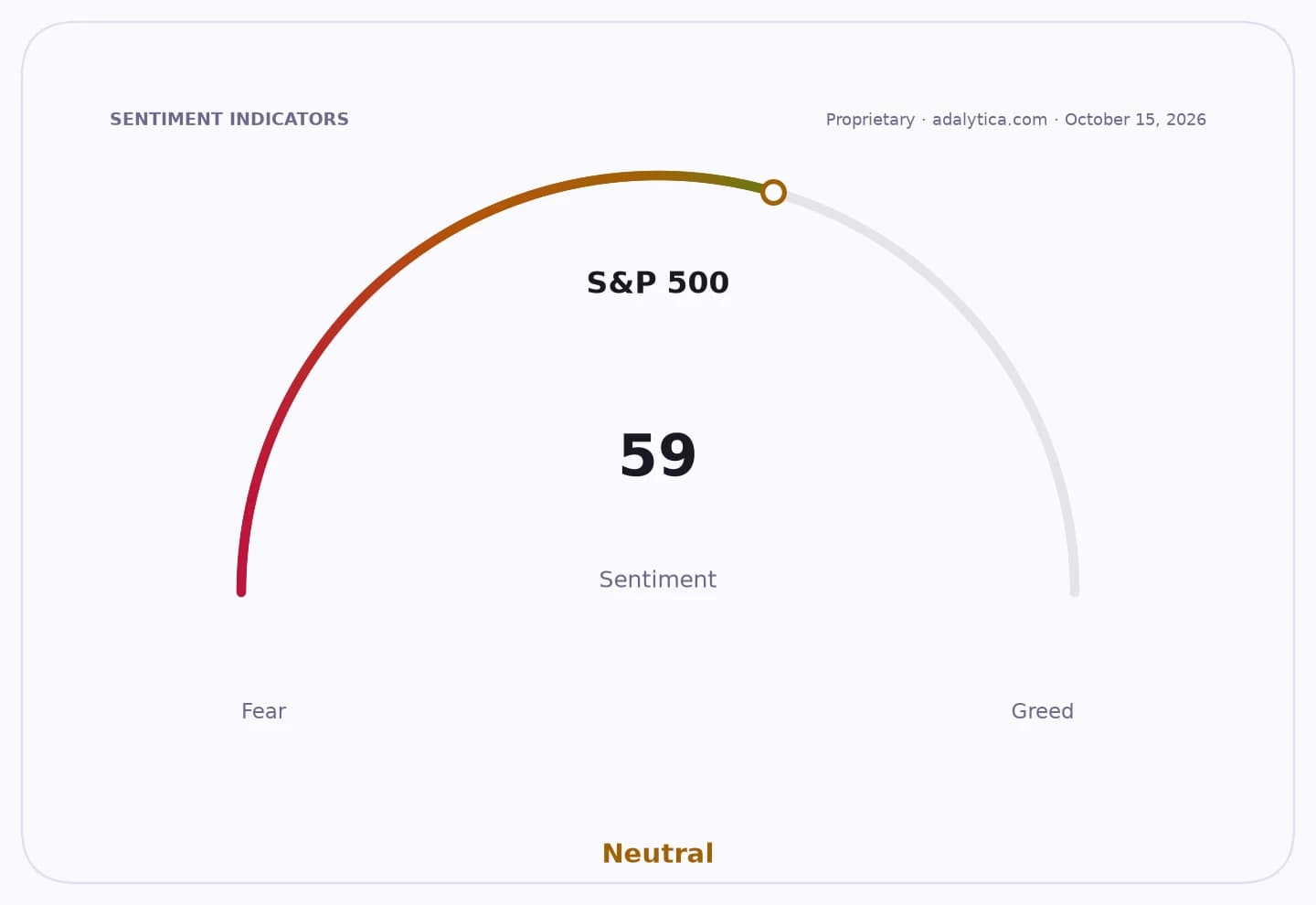
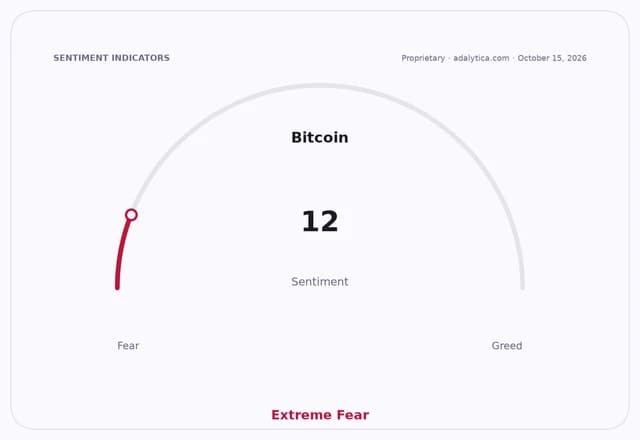
Sentiment IndicatorsⓘProprietary · adalytica.com · October 15, 2026
This is a snapshot — live sentiment, awareness and momentum for 130+ markets update continuously in the dashboard.Open AlphaPulse

That matters because derivatives are where crypto markets get deeper, stickier and more profitable. Futures and options typically generate higher trading frequency than plain-vanilla spot transactions, while event contracts open a new line of business tied to politics, macro data and real-world outcomes. For Blockchain.com, the application is a bid to move beyond basic brokerage and into the part of the market that tends to capture more activity when volatility returns.
It also underscores a larger shift in U.S. crypto finance: firms are racing to build regulated products before rivals lock up the market. The CFTC route gives Blockchain.com a chance to operate under federal oversight rather than relying on offshore structures or fragmented state regimes. Peter Smith, the company’s co-founder and chief executive, said users should be able to manage digital assets, trade derivatives and take positions on real-world events without switching apps, framing the push as a compliance-first expansion rather than a speculative detour.
For investors, the immediate read-through is to the exchanges and venues that stand to gain if regulated crypto derivatives keep migrating onshore. Coinbase, already one of the clearest listed proxies for rising crypto market structure activity, has seen its shares remain highly sensitive to the cycle in trading volumes and market attention. CME, the incumbent giant in listed futures, also stands to benefit if institutional demand for crypto hedging and price discovery keeps expanding. The market is underestimating how much of crypto’s next growth phase will come not from new coins, but from the plumbing around trading, hedging and risk transfer.
Blockchain.com’s overseas footprint in Europe, the U.K. and the Cayman Islands suggests it is building a multi-jurisdiction platform for a market that still lacks a single global rulebook. Its existing self-custody prediction markets and perpetual futures outside the U.S. show the business model already works where regulators allow it; the real prize is bringing that activity into the American market with a federal license attached.
The near-term catalyst is approval, not launch. But the strategic message is clear: the next leg of crypto adoption may be less about retail speculation and more about regulated market infrastructure. If the CFTC opens the door, expect a wave of follow-on filings from platforms trying to capture the same high-margin derivatives and event-contract flow. Investors should be positioning for the winners in crypto market infrastructure, not just the underlying tokens.
| Entity | Gains | Losses |
|---|---|---|
| Blockchain.com | ▲New U.S. revenue streams | ▼Delay risk from CFTC review |
| Coinbase | ▲More onshore trading activity | ▼More competition in crypto derivatives |
| CME | ▲Greater institutional hedging demand | ▼Pricing pressure if rivals scale fast |
| Offshore crypto venues | ▲— | ▼Activity shifts to regulated U.S. markets |