Britain’s biggest lenders have taken the first interbank steps toward a blockchain-based deposit system that could reshape how commercial bank money is moved, settled and ultimately issued, with the Bank of England backing the model over privately issued stablecoins.
UK Banks Test Tokenized Deposits for Payments

The significance is less about a technology demonstration than about the plumbing of the financial system. By moving deposits across a shared ledger rather than each bank’s internal systems, Lloyds, NatWest, Barclays and HSBC have shown that regulated bank money can be made programmable and interoperable without leaving the banking perimeter. That matters because deposits remain the core source of funding for lenders, the main medium for payments and a pillar of credit creation. If the model scales, it could cut settlement frictions in mortgages, e-commerce and securities issuance while keeping the liabilities on bank balance sheets and under existing safeguards.
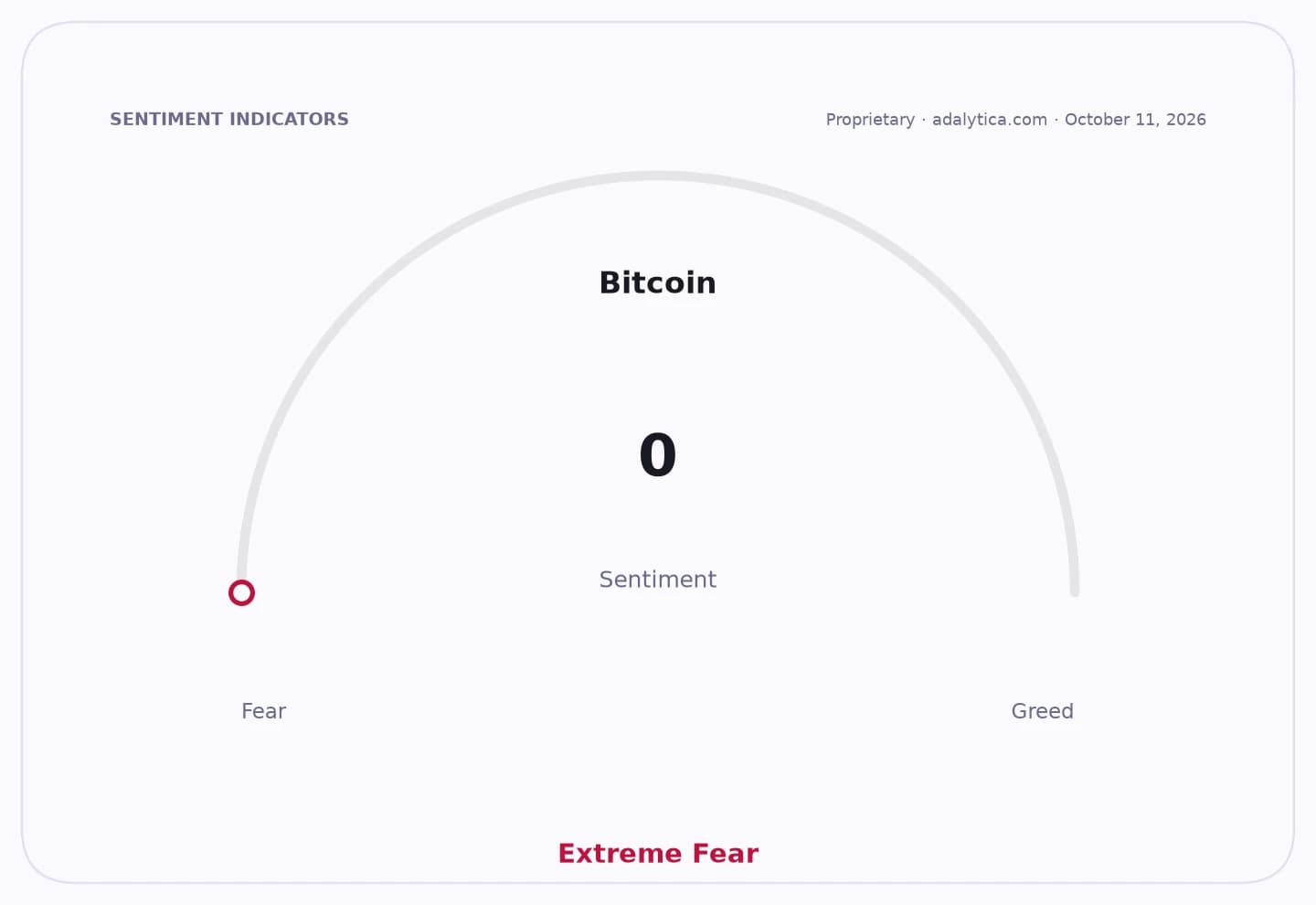
Sentiment IndicatorsⓘProprietary · adalytica.com · October 12, 2026
This is a snapshot — live sentiment, awareness and momentum for 130+ markets update continuously in the dashboard.Open AlphaPulse
The latest tests involved two mortgage refinancing transactions using digitized deposits at Lloyds, NatWest and Barclays, plus a simulated consumer payment involving HSBC that was only released to the seller after delivery was confirmed. In both cases, the money was effectively locked until a condition was met, illustrating one of tokenized deposits’ main attractions: atomic settlement. That can reduce counterparty risk, shorten back-office processes and lower the need for intermediaries in transactions that today rely on a chain of manual confirmations.
Just as important is that the transactions took place across different banks. Many prior blockchain pilots have remained siloed inside individual institutions, limiting their usefulness. The new Great British Tokenised Deposit initiative is trying to build a common rail for the industry, with Barclays, HSBC, Lloyds, Monzo, NatWest, Nationwide and Santander among the participants. The group now plans to create a corporate structure and operating rules and to issue three digital bonds in the first quarter of 2027 that would trade and settle using tokenized deposits.
For the Bank of England, the appeal is obvious. Tokenized deposits preserve the role of regulated banks and the existing deposit guarantee framework, while avoiding the policy and systemic questions that come with private stablecoins. That makes the UK approach more conservative than the crypto market’s model of privately issued money, but potentially more scalable in a country where regulators want innovation without surrendering control of the payments system.
Investors should view the development as both an opportunity and a competitive threat. For large banks, a shared digital deposit infrastructure could create fee income in transaction banking, improve client stickiness and eventually reduce operating costs. It could also help banks defend their role against fintechs and stablecoin issuers in payments, settlement and digital commerce. The bear case is that the economics may be slow to emerge if adoption remains limited to pilots, standards fragment across jurisdictions, or the industry cannot agree on governance and legal finality.
The broader European context reinforces the strategic importance. The euro area is also pushing tokenization, but with central bank money at the center of settlement, while regulators across the region are tightening oversight of stablecoins. Britain’s experiment suggests the next phase of digital finance may not be a wholesale escape from the banking system, but an attempt to rebuild that system on programmable infrastructure. For markets, the key question is whether this remains a proof of concept or becomes the architecture for bank money, bond issuance and payments in the years ahead.
| Entity | Gains | Losses |
|---|---|---|
| UK major banks | ▲Lower settlement costs, new digital products | ▼Legacy payments frictions |
| Bank of England | ▲Banking-perimeter control | ▼Private stablecoin influence |
| Stablecoin issuers | ▲Wider market awareness | ▼Regulatory advantage |
| Corporate borrowers and buyers | ▲Faster, conditional settlement | ▼Manual reconciliation delays |