A $10,000 investment in USD Coin five years ago would have ended up almost exactly where it started, underscoring the simple appeal and the hard limit of stablecoins: they are built to preserve cash, not grow it.
USDC Holds Near $1 After Five Years
USDC last traded at $0.9997, which means that a $10,000 position from five years ago would now be worth about $9,996.90, or just 0.03% less than the original outlay. In other words, the token did what it was designed to do. It tracked the dollar closely and delivered virtually no capital gain. For long-term investors, that makes USDC useful as a parking place for liquidity, but a poor stand-alone wealth builder.
That distinction matters because the stablecoin market is moving deeper into the financial system just as regulators move in the other direction. The U.S. Federal Reserve has proposed new rules under the GENIUS Act, including a 2% capital charge meant to help stablecoins stay redeemable at par. That kind of oversight could make the sector safer and more trusted, but it also highlights the reality that these products are being treated less like speculative crypto bets and more like payment rails, cash equivalents and settlement tools.
For investors, that changes the conversation. USDC should not be judged like Bitcoin or even like a dividend stock. It is closer to a digital dollar instrument, and its value lies in utility: trading liquidity, fast transfers, on-chain settlement and a bridge between traditional finance and crypto markets. The lack of price appreciation is not a bug; it is the product. But that also means the upside for holders is limited unless they are using it inside yield-bearing products, trading strategies or payment ecosystems.
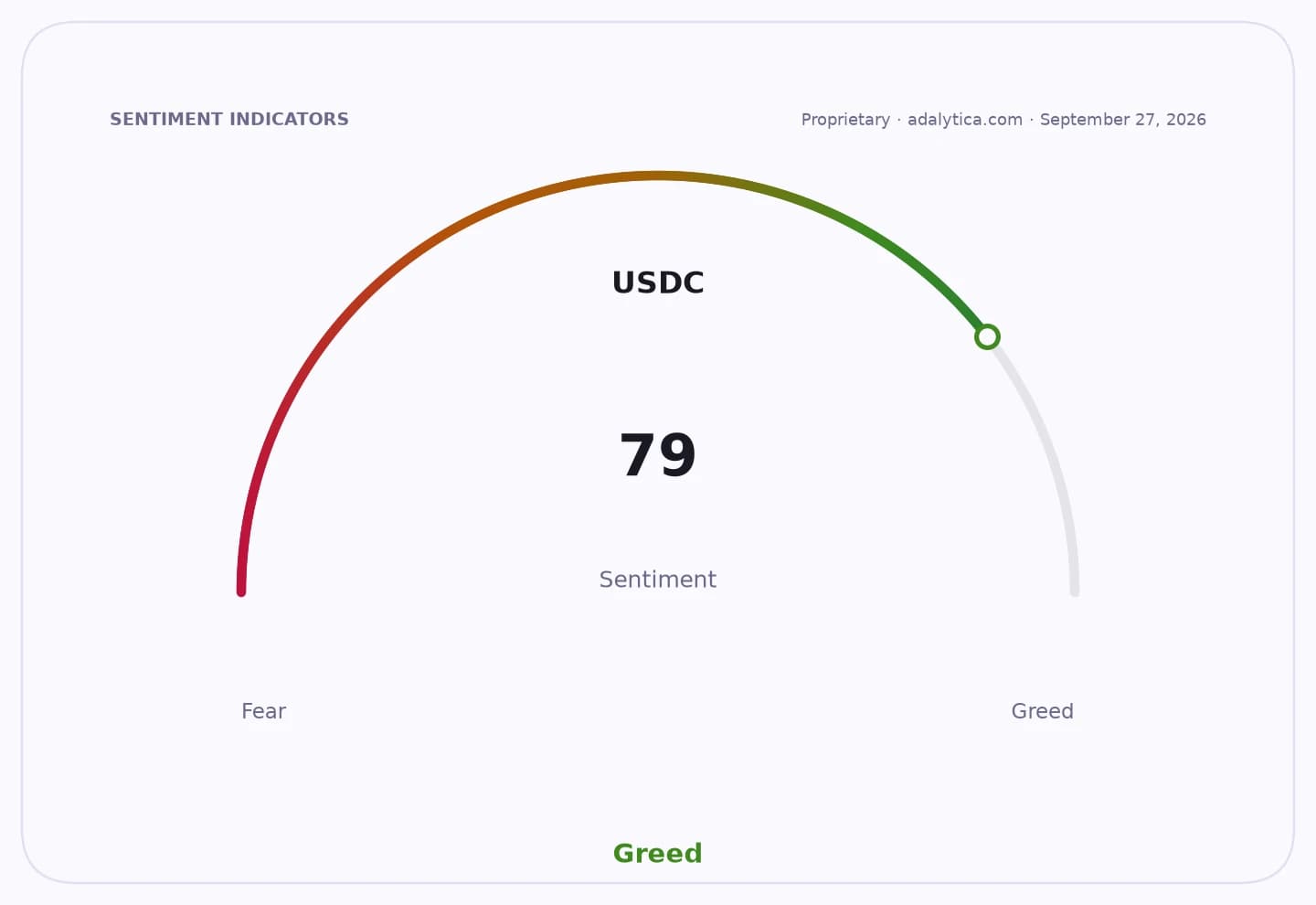
The latest data show USDC trading essentially flat around $1, with technical indicators such as the 50-day and 200-day moving averages also pinned near par. That stability is the point, but it also shows why stablecoins depend less on price momentum than on network adoption, regulatory acceptance and counterparty trust. Volume remains large, reinforcing how embedded these tokens have become in crypto trading and transfers even if they do not create capital gains on their own.
The bigger story for long-term investors is not whether USDC made people rich — it didn’t — but whether stablecoins become a durable layer of global payments and market plumbing. Binance’s expanded partnership with Circle suggests demand is still growing for dollar-linked crypto settlement tools, even as Europe and other regulators push back harder on licensing and banking stability concerns. If stablecoins gain wider institutional acceptance, the opportunity may lie less in holding the coin itself and more in the companies, exchanges and infrastructure providers that earn fees from moving it around.
For now, the lesson is straightforward: USDC has done exactly what a stablecoin should do, but investors looking for compounding returns need to look elsewhere. Stablecoins can be a useful part of a diversified portfolio and a watchlist-worthy financial innovation, but they are not the place to chase capital appreciation.
| Entity | Gains | Losses |
|---|---|---|
| USDC users | ▲dollar stability | ▼capital appreciation |
| Circle and exchange partners | ▲transaction volume | ▼regulatory scrutiny |
| Regulators | ▲tighter oversight | ▼faster crypto growth |
| Long-term investors | ▲liquidity tool | ▼wealth-building upside |