Binance has turned a former rival into a strategic partner, investing $100 million in Circle and signing a five-year agreement to expand the use of USDC across its global platform.
Circle and Binance expand USDC partnership
The deal matters because it gives the world’s largest crypto exchange a bigger economic interest in the stablecoin it has already been distributing, while giving Circle a far broader channel into retail and institutional trading flows. In a market where stablecoins are becoming core settlement infrastructure rather than a niche trading instrument, the partnership could help determine which issuer captures the next phase of adoption.
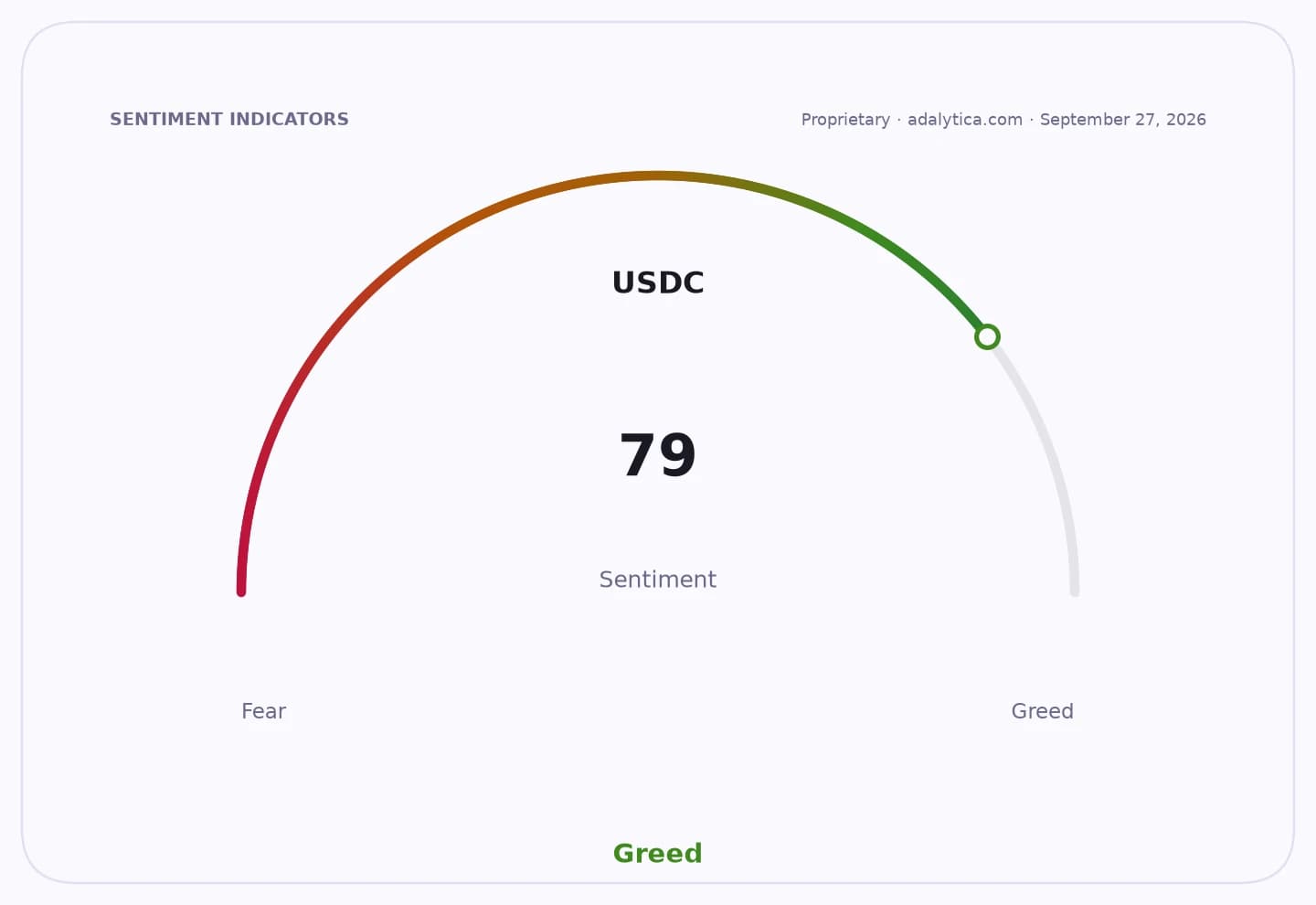
Sentiment IndicatorsⓘProprietary · adalytica.com · September 27, 2026
This is a snapshot — live sentiment, awareness and momentum for 130+ markets update continuously in the dashboard.Open AlphaPulse
Circle sold 1.24 million shares to Binance at $80.84 apiece, according to the companies’ filing, while the exchange will also receive a monthly fee tied to USDC balances held through its wallet infrastructure. That turns the relationship from a simple listing arrangement into a revenue-linked commercial tie-up, aligning Binance’s incentives with USDC circulation on its platform.
For Circle, the pact arrives at an important moment. USDC sits alongside Tether’s USDT in a market that now exceeds $292 billion, and the two tokens dominate nearly 90% of stablecoin supply. The Binance deal expands USDC’s reach inside one of crypto’s deepest liquidity pools, potentially reinforcing its role in trading, payments and on-chain transfers as institutions increasingly use stablecoins for dollar exposure and settlement.
For Binance, the move is also a hedge. By backing Circle directly, the exchange reduces dependence on a single stablecoin provider while strengthening a product that helps keep users inside its ecosystem. That could support trading volumes and wallet activity, both of which matter to an exchange whose economics depend on flow, balance retention and cross-selling rather than price appreciation alone.
Investors in Circle will read the transaction as validation from one of crypto’s most important distribution platforms, but not without trade-offs. The market will likely focus on whether tighter Binance integration boosts USDC issuance and fee income enough to offset the dilution from the new share sale. On the other side, Binance’s stake could raise questions about how much leverage the exchange gains over the economics of a product it does not control outright.
The stock market has already shown how sensitive Circle remains to shifts in crypto sentiment. Recent price action in CRCL has been volatile, with the shares falling from above $130 in May to $89.00 on Friday after trading as high as $131.76 earlier in the year. Technical indicators such as the 50-day moving average and RSI readings suggest the stock has been in a corrective phase rather than a sustained trend, leaving room for a rerating if the Binance partnership translates into higher USDC usage.
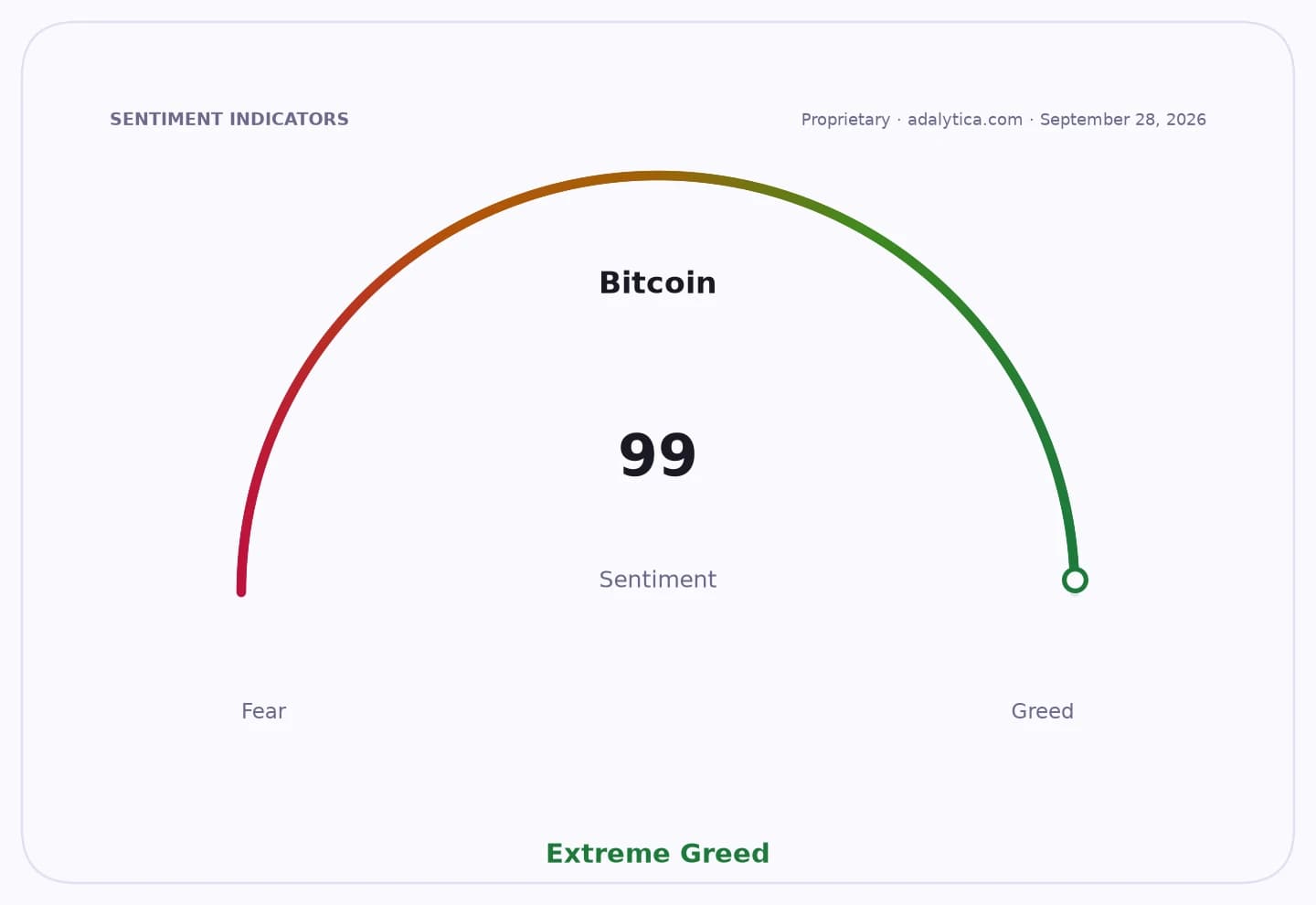
The broader backdrop is constructive for stablecoins. Bitcoin has remained near $84,500 and market sentiment across crypto is still in greedy territory, but investors are increasingly distinguishing between speculative token prices and the utility of dollar-backed assets that move through exchanges, wallets and payments rails. That makes partnerships like this one strategically important: they point to a market where infrastructure, not just coin prices, is becoming the profit center.
For Circle, the next test is execution. If USDC balances and transaction activity rise on Binance, the partnership could become a template for how stablecoin issuers secure distribution in a more competitive market. If not, the deal may prove more symbolic than transformative, even if it gives both companies a short-term boost in credibility.
| Entity | Gains | Losses |
|---|---|---|
| Circle | ▲Wider USDC distribution | ▼Some equity dilution |
| Binance | ▲Stablecoin economics, user retention | ▼Greater dependence on USDC success |
| USDC holders/users | ▲Deeper liquidity and access | ▼More platform concentration risk |
| USDT competitors | ▲None | ▼Share gains at risk |