Bitcoin’s surge back above $84,000 is feeding a fresh speculative bid in crypto-linked stocks, but the bigger market story is that regulatory thaw around tokenized trading is pulling capital into the entire digital-asset complex.
Bitcoin Rally Lifts Coinbase, Robinhood and Miners
That matters because this is no longer just a spot-Bitcoin trade. The move is widening into the infrastructure names that stand to monetize trading, custody, tokenization and blockchain rails if the Securities and Exchange Commission keeps easing access to tokenized securities. Coinbase, Robinhood and Galaxy Digital are all positioned to benefit from that shift, while miners and balance-sheet holders such as Strategy and Marathon Digital remain leveraged plays on Bitcoin’s direction.
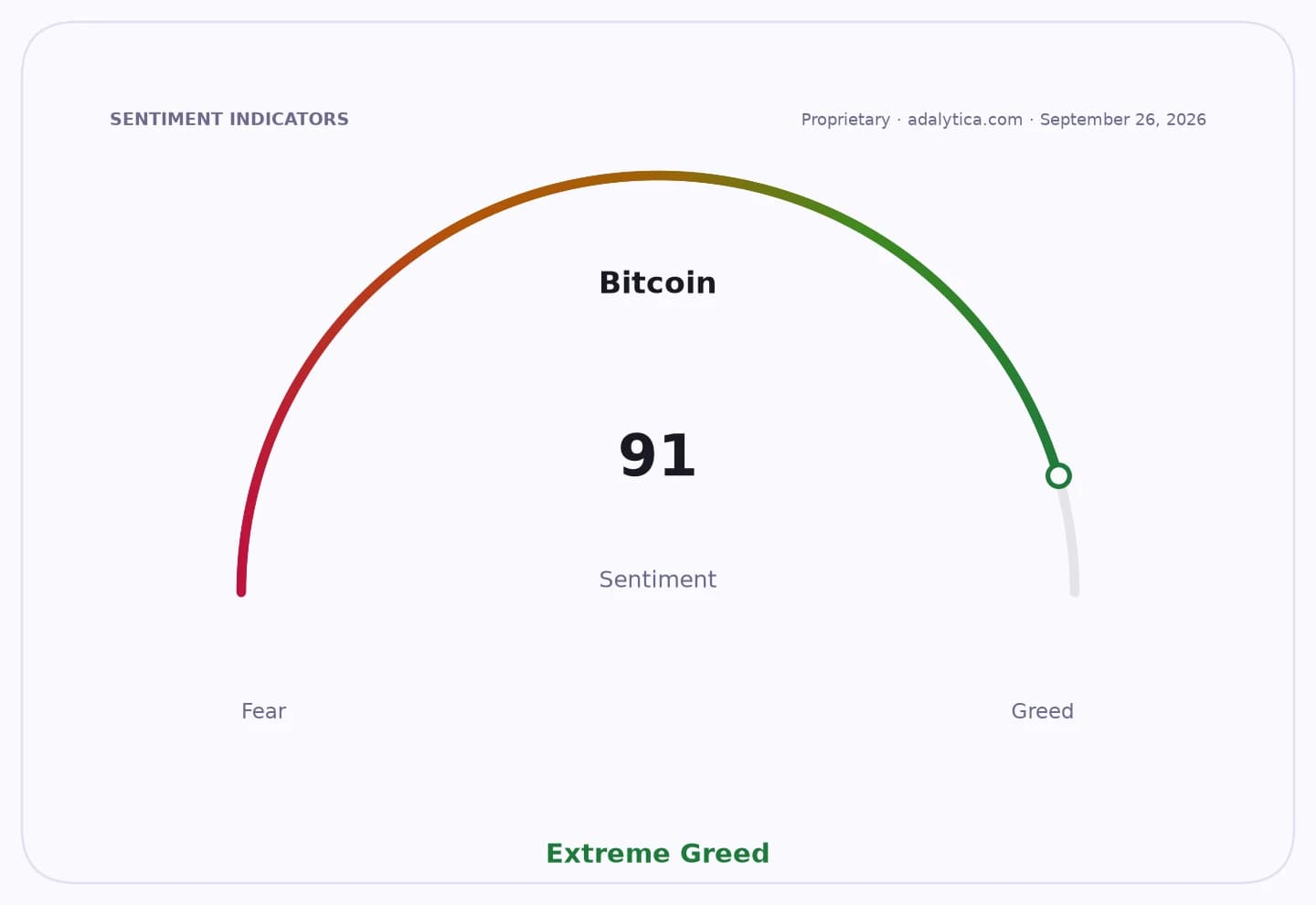
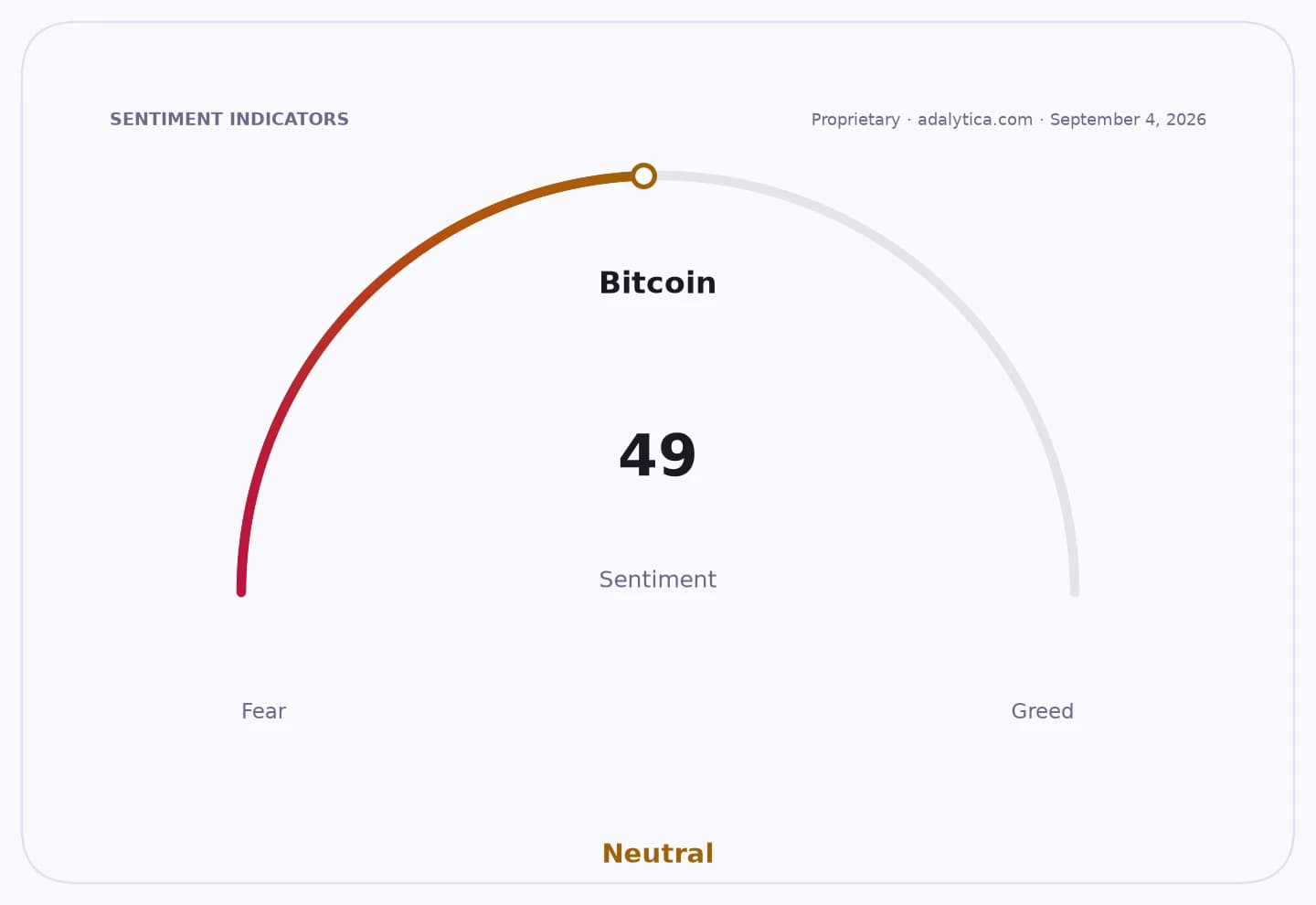
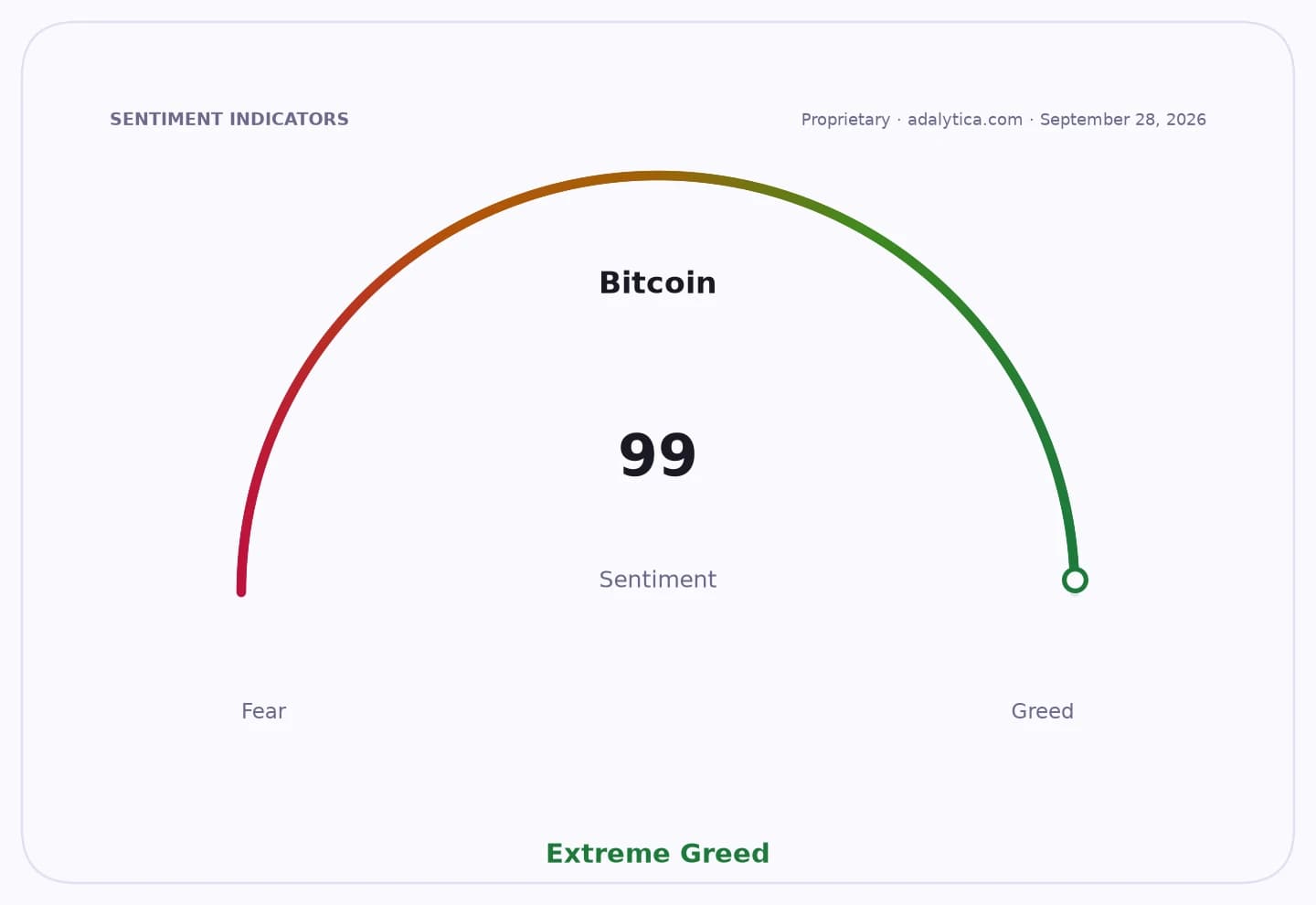
Bitcoin was last quoted near $83,400 after touching about $84,846, with the token up 31% over the past month, according to the supplied data. Adalytica’s Bitcoin Fear & Greed Index shows “Extreme Greed” at 99, underscoring how far sentiment has swung back toward risk-taking. That kind of reading often fuels momentum in the short term, but it also raises the odds of sharp reversals if the rally stalls.
The stock reaction shows where investors think the next dollar of upside sits. Marathon Digital has climbed from around $6.73 in early February to $12.55 recently, while Coinbase has rebounded from $141.09 in February to about $195.11. Strategy, the largest corporate Bitcoin proxy, has also benefited from the renewed bid in the coin itself. These are not the same trade: miners depend on Bitcoin price and network economics; exchanges and brokers can also gain from tokenization, trading volume and product expansion.
Bitcoin — 30-day sentimentadalytica.com
Explore this data interactively — full history, time series and cross-market comparisons.Open AlphaPulse
That distinction is crucial. The market underestimates how much of the next crypto cycle may come from rails rather than coins. The SEC’s five-year relief for some platforms trading tokenized stocks suggests a path for blockchain infrastructure to move beyond pure crypto speculation and into traditional securities markets. If that happens, the real winners are the toll-road businesses: exchanges, custodians, brokers and infrastructure providers that collect fees on activity regardless of whether the user is buying Bitcoin, tokenized equities or a Solana-based asset.
At the same time, the rally is exposing a fault line in the corporate treasury-Bitcoin thesis. The data show that many publicly traded firms holding Bitcoin on their balance sheets have lagged badly over the past year and a half, with some losing 80% or more. The lesson is straightforward: Bitcoin exposure alone is not a business model. Companies still need operating leverage, cash flow or a real platform to survive the cycle.
For investors, that makes selectivity more important than ever. I believe the highest-conviction opportunity is not simply chasing the coin after a sharp run, but owning the picks-and-shovels names that can compound through the next phase of tokenization and digital-asset adoption. If Bitcoin holds above the $80,000 area and regulators continue to open the door to tokenized markets, the next leg of upside could favor Coinbase, Robinhood, Galaxy Digital and even the more diversified infrastructure players over the pure-play treasury proxies.
The trade from here is clear: stay bullish on the crypto ecosystem, but focus on the businesses with durable fee streams, regulatory optionality and real operating leverage. That is where the asymmetric upside is likely to show up next.
| Entity | Gains | Losses |
|---|---|---|
| Coinbase | ▲Higher trading activity; tokenization optionality | ▼Volatility if crypto cools |
| Robinhood | ▲Tokenized-stock opportunity; retail inflows | ▼Regulatory execution risk |
| Marathon Digital | ▲Bitcoin upside leverage | ▼Rising miner competition |
| Treasury-bitcoin firms | ▲Balance-sheet beta | ▼Weak operating businesses |