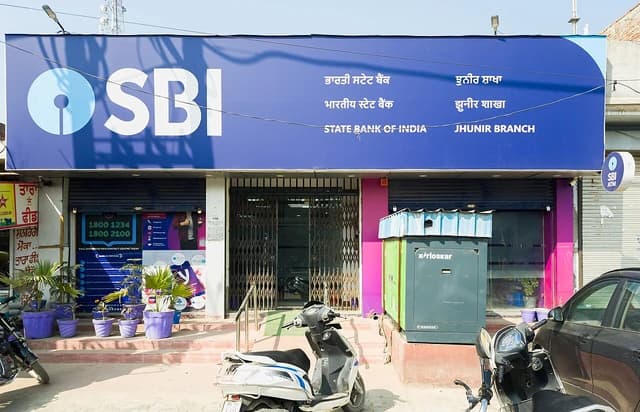
India’s banks are unlikely to raise deposit rates for the next two to three months because the system is awash with liquidity, State Bank of India Chairman C.S. Setty said, a signal that funding costs may stay contained even as loan growth remains firm.
SBI Says India Banks May Hold Deposit Rates

The message matters because deposit pricing is one of the clearest transmission channels for India’s monetary policy and for bank profitability. With more than half of loans in the banking system tied to external benchmark lending rates, deposit costs tend to lag changes in the Reserve Bank of India’s policy stance, but they still determine how much of the recent rate cycle banks can pass through to savers without squeezing margins.
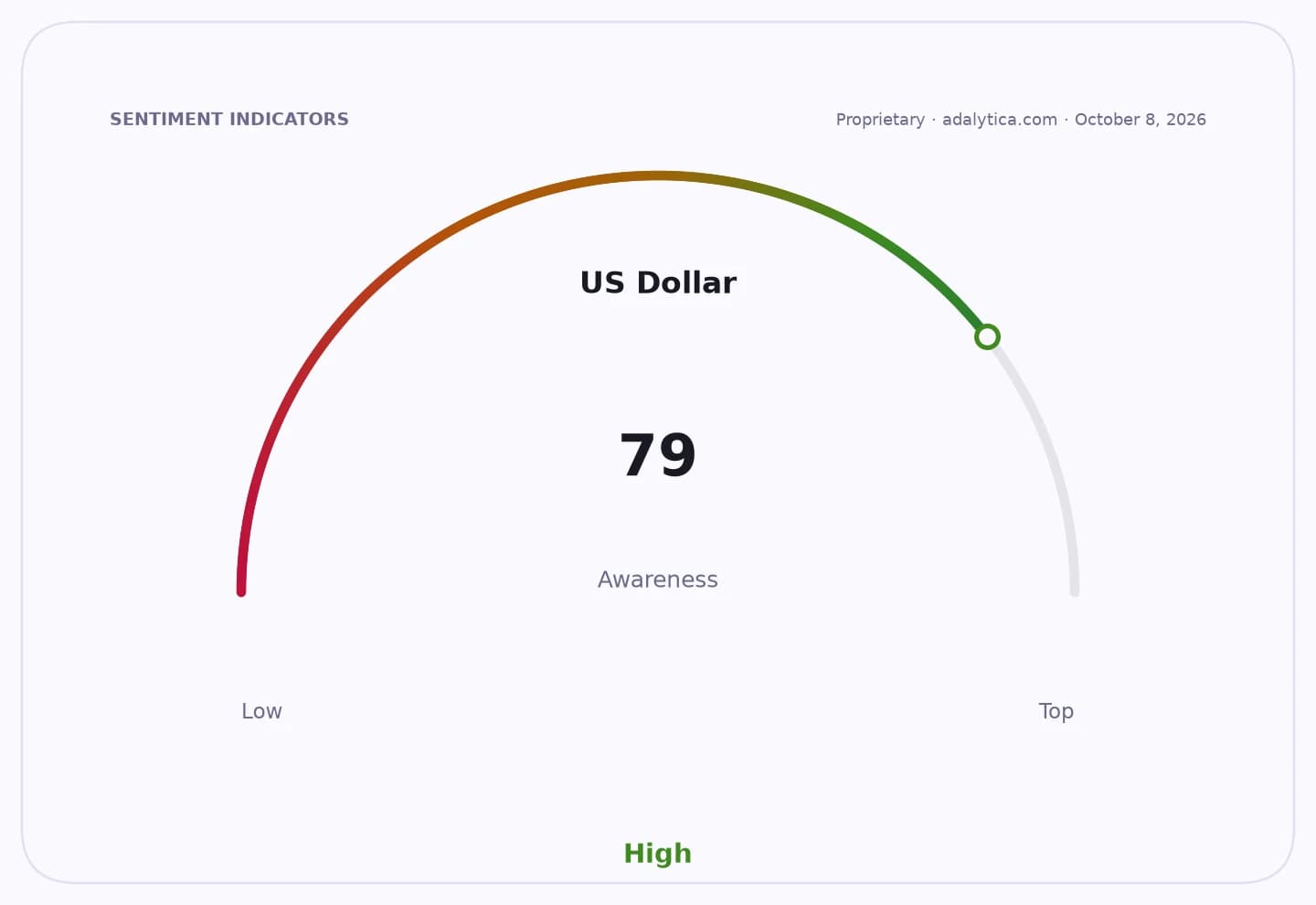
Sentiment IndicatorsⓘProprietary · adalytica.com · October 12, 2026
This is a snapshot — live sentiment, awareness and momentum for 130+ markets update continuously in the dashboard.Open AlphaPulse
Setty said the current liquidity position gives lenders room to delay repricing savings and term deposits, adding that “there may not be any rate action on the deposits” over the next two to three months. The backdrop is a system still absorbing a surge in deposits, including roughly $133 billion flowing in from the Indian diaspora, while the RBI continues to drain excess liquidity through its own operations. That combination, he said, should prevent “exuberance or imprudence” in lending.
For banks, the near-term implication is that net interest margins should remain supported for another two to three quarters if lending rates stay elevated while deposit rates hold steady. That is particularly relevant for State Bank of India, which is targeting credit growth of 14% to 15%, faster than nominal GDP growth and strong enough to keep asset expansion intact without forcing an immediate funding war.
The bull case for lenders is that credit demand remains healthy enough to absorb the excess cash without triggering aggressive deposit competition. The bear case is that if loan growth stays strong for longer than expected, banks will eventually have to bid harder for deposits, especially as savers begin seeking higher real returns in an inflationary environment.
The immediate read-through is modestly positive for banking margins but neutral to slightly negative for depositors, who may have to wait for better yields. Investors will be watching whether the RBI’s liquidity management keeps overnight rates subdued and whether loan growth continues to outpace deposit mobilisation, two factors that would determine how long banks can avoid raising deposit rates.
| Entity | Gains | Losses |
|---|---|---|
| Banks | ▲Lower funding costs | ▼Depositors seeking higher yields |
| SBI | ▲Margin support | ▼Faster deposit competition later |
| Borrowers | ▲Stable lending rates | ▼Savers facing low real returns |
| RBI | ▲Better liquidity control | ▼None immediately |