Bitcoin’s latest retreat to about $81,000 is not the important story. The bigger development is that the crypto market is once again behaving like every major technology cycle before it: capital is flooding into the rails, the price action is wobbling, and the next phase of wealth creation is likely to come from the companies selling picks and shovels, not the tokens themselves.
Bitcoin retreat lifts Coinbase, Robinhood and Block
That matters because the market is still arguing over whether crypto is a speculative asset class or a structural financial network. History says it is both, but not at the same time. First comes the mania, then the cleanup, and only then does the durable infrastructure emerge at lower prices and with broader adoption. That is why the present setup should be read less as a referendum on Bitcoin and more as a capital-allocation event across exchanges, custody, payments and infrastructure.
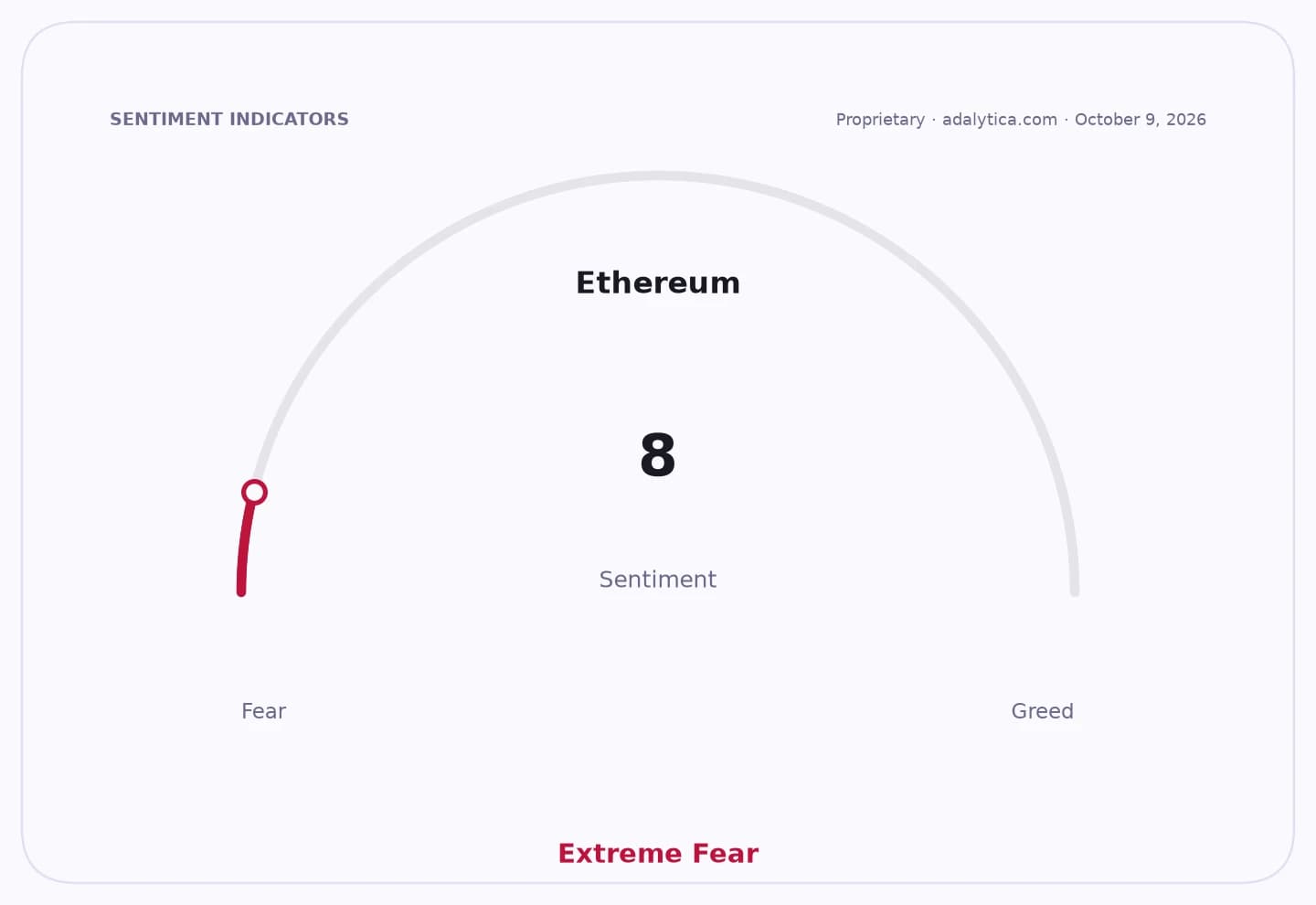
Sentiment IndicatorsⓘProprietary · adalytica.com · October 18, 2026
This is a snapshot — live sentiment, awareness and momentum for 130+ markets update continuously in the dashboard.Open AlphaPulse
The parallels are hard to ignore. In the latest cycle, bitcoin has traded through sharp swings, falling from above $100,000 late last year to a low near $58,559 in June before rebounding toward $81,500. Technical readings show the asset now hovering around its 50-day moving average of roughly $81,252, while the RSI has slipped to 29.4, a level that points to a market under stress rather than one in easy uptrend. Adalytica’s Bitcoin Fear & Greed Index sits at 27, in fear territory, even as awareness remains elevated at 64. That combination is classic late-cycle noise: plenty of interest, very little conviction.
What the market underestimates is how much of crypto’s long-term value is migrating away from pure price exposure and into the infrastructure layer. Coinbase, the sector’s bellwether, has been volatile too, closing around $173.16 on Oct. 16, below its 50-day average and just under its 200-day trend line. That is not a sign that crypto is dying. It is a sign that monetization is becoming more selective. When trading enthusiasm cools, the winners are the platforms with regulatory scale, custody, institutional distribution and fee-taking power.
The policy backdrop is also shifting in a way that favors the survivors. The SEC’s approval of a crypto ETF effective Oct. 16 adds another brick to the institutional adoption wall, while simultaneous enforcement actions overseas, from a £3.8 billion Bitcoin seizure in the UK to trading restrictions in South Korea, underscore a simple truth: the asset class is maturing, but under tighter surveillance. That generally helps compliant intermediaries and hurts the more fragile corners of the market.
For investors, the message is straightforward. The easy money in direct token speculation is getting harder to make, but the structural buildout is still in early innings. That includes exchanges like Coinbase, distribution-heavy fintech names such as Robinhood ahead of its Oct. 27 earnings report, and payments players like Block that stand to benefit if crypto remains embedded in consumer finance rather than isolated in pure trading frenzies. It also extends to the broader infrastructure complex: custody, cybersecurity, compliance software and the hardware stack that supports blockchain activity.
This is where the thesis becomes asymmetric. The market keeps treating every crypto reset as evidence that the whole ecosystem is broken. In reality, the busts have repeatedly subsidized the next wave of adoption by forcing infrastructure into cheaper hands and removing weak capital structures. The same pattern that built electricity grids, telecom networks and broadband backbones is playing out again. Bitcoin may be volatile, but the business model built around it is becoming more durable.
If you want exposure, own the toll roads, not just the traffic. The next upside likely comes from the companies that earn fees, manage assets, secure networks and intermediate transactions — especially if the current fear phase gives way to another wave of institutional inflows.
| Entity | Gains | Losses |
|---|---|---|
| Coinbase | ▲Trading and custody volume | ▼Pure token speculators |
| Robinhood | ▲Crypto engagement and fees | ▼Weak retail volatility |
| Block | ▲Payments optionality | ▼Fragmented crypto venues |
| Bitcoin holders | ▲Long-term network adoption | ▼Late-cycle leveraged buyers |