JPMorgan Chase is drawing a hard line around artificial intelligence in banking: if customers let AI agents move money or access their accounts, they may be taking on the risk themselves. That warning matters because the biggest U.S. bank is effectively saying the next wave of AI convenience could also become a new source of deposit flight, fraud and liability for consumers, lenders and regulators alike.
JPMorgan blocks outside AI agents from banking systems
Chief Executive Jamie Dimon said on the bank’s third-quarter earnings call that customers need to understand the “liability transfer” involved when AI agents use their data or initiate transactions. In his view, banks cannot be expected to absorb every loss if a customer chooses to hand over control to an outside machine. “If data is being misused, they should understand it’s being misused,” he said.
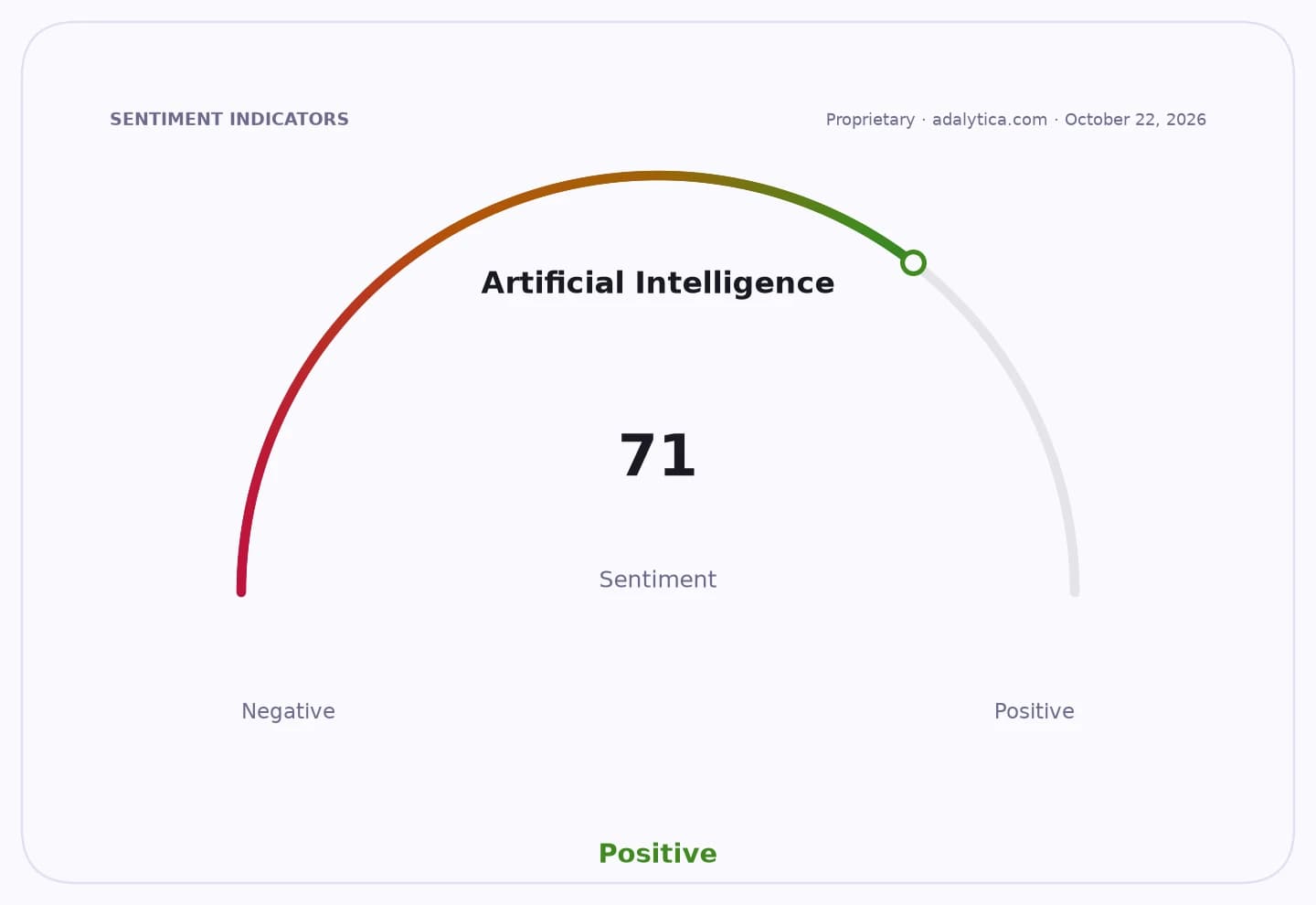
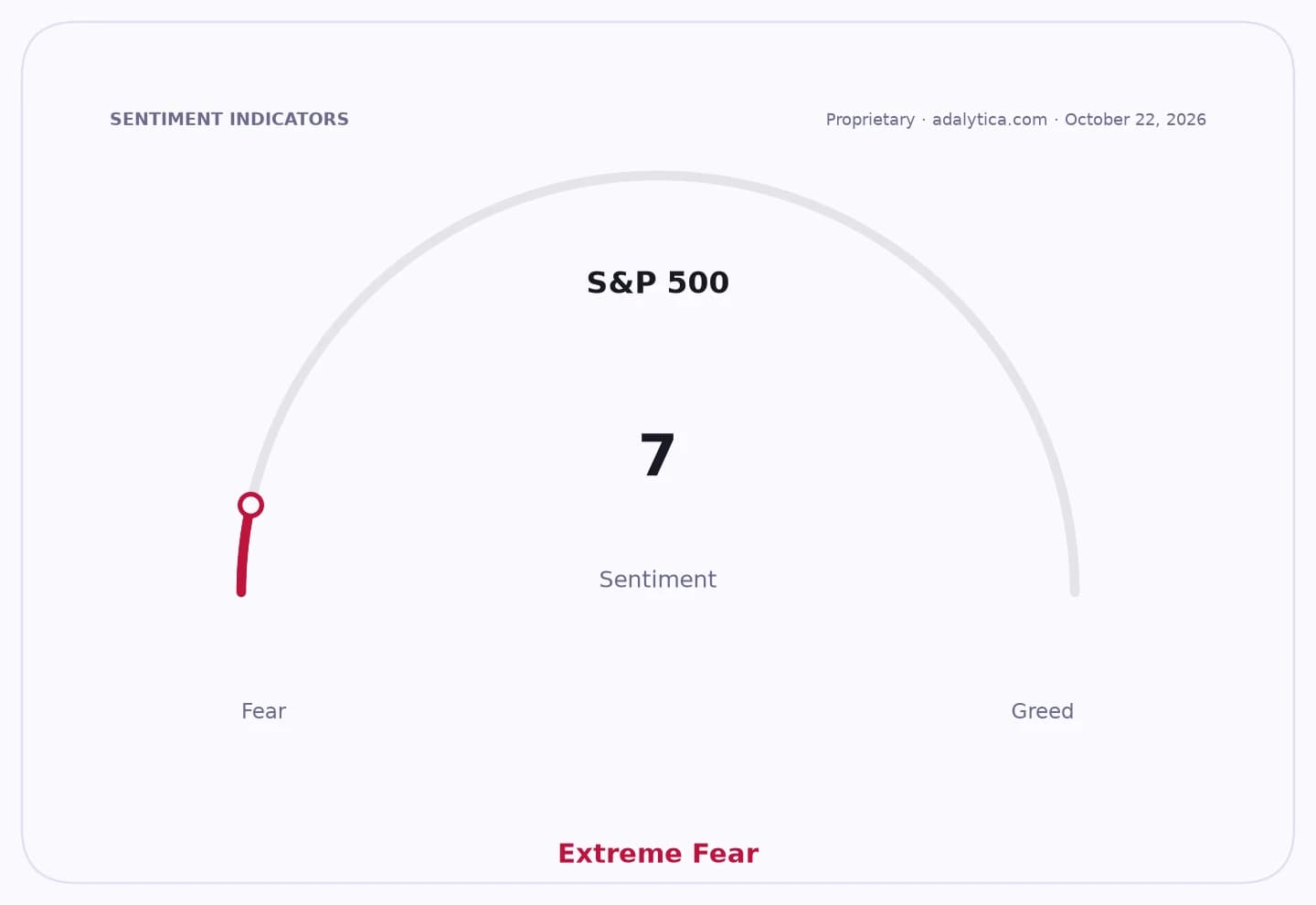
Sentiment IndicatorsⓘProprietary · adalytica.com · October 21, 2026
This is a snapshot — live sentiment, awareness and momentum for 130+ markets update continuously in the dashboard.Open AlphaPulse
That stance is more than corporate caution. It reflects a real economic threat to one of banking’s most valuable assets: sticky, low-cost deposits. If AI agents start shopping for higher yields, sweeping cash across accounts or executing transfers faster than customers would themselves, banks could lose a key source of funding. That would raise costs across the system, pressure net interest margins and force lenders to spend more on security and retention.
JPMorgan is already acting on that concern by blocking outside AI agents from its systems for now. Dimon said the bank thinks allowing them in would be “too risky for the clients and for JPMorgan.” Instead, it is building its own tools, including an internal Smart Cash feature designed to move money only between a customer’s own JPMorgan accounts.
The timing is important. The comments come as Meta’s Muse AI assistant has revived fears that agents could increasingly act on behalf of users and pull deposits from banks in search of better rates. McKinsey has also warned that AI agents could weaken banks’ direct relationships with customers, a subtle but powerful shift in an industry built on trust, friction and inertia.
Investors should pay attention because this is not just a cybersecurity story; it is a funding story. Banks do not merely sell loans and payment services — they rely on stable balances to finance those businesses cheaply. If AI makes money more mobile, the winners may be firms with the strongest digital ecosystems, best cash-management tools and deepest customer relationships. The losers could be banks that depend on passive deposits and slower-moving retail customers.
The market is already treating financials as a sector that has to defend its edge. JPMorgan shares have held above their longer-term trend, with the stock around $334 in recent trading and still above its 200-day moving average, though below its 50-day average. The broader financial sector ETF, XLF, has also been steady near $56, while regional banks tracked by KRE have hovered around $70. That tells investors the sector is still being watched for stability, not disruption — but AI agents could change that equation if they scale faster than safeguards.
Dimon also said regulators should get ready for the liquidity risks these tools could create. That is a telling remark. The first banks to set the rules around AI access may end up shaping how the entire industry handles customer permissions, fraud liability and cash movement in the years ahead.
For long-term investors, the takeaway is simple: AI is not only an earnings-growth story. In banking, it is also a balance-sheet story. The institutions that combine innovation with tight controls are the ones most likely to keep customer trust — and deposits — intact. That makes JPMorgan worth watching as both a technology adopter and a gatekeeper for how AI enters finance.
| Entity | Gains | Losses |
|---|---|---|
| JPMorgan | ▲tighter control of deposits | ▼slower third-party AI integration |
| Customers using AI agents | ▲convenience if tools work | ▼liability if funds are misused |
| Outside AI agent providers | ▲broader banking use case, eventually | ▼blocked access for now |
| Traditional banks | ▲stronger case for human oversight | ▼pressure if deposits become more mobile |