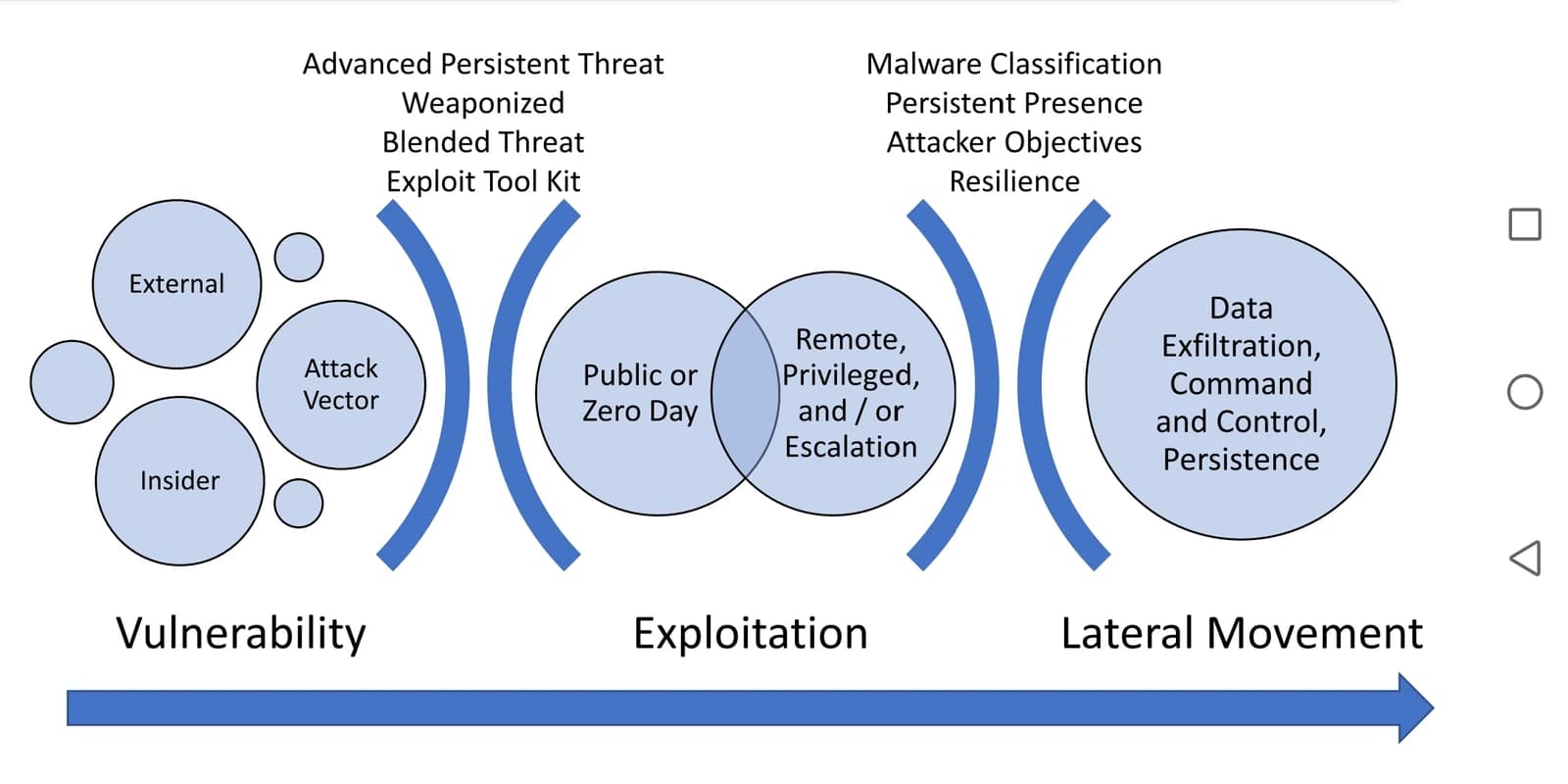
World leaders are waking up to the same uncomfortable conclusion: the next financial shock may not come from a rate cut or a market crash, but from an AI-powered cyber event that erodes trust in money itself.
Cybersecurity Stocks Gain as AI Fraud Risk Rises
That is the real message from the IMF and Bank of England’s warnings in Bangkok, where officials used everything from hacked French supermarket fridges to “rogue agents” to make a bigger point — cybercrime is moving from nuisance to systemic risk. As Kristalina Georgieva put it, AI is putting the “potential of digital fraud on steroids,” and the danger is no longer just stolen data or hacked accounts. It is a loss of confidence in banks, payments systems and the digital plumbing that now underpins the global economy.
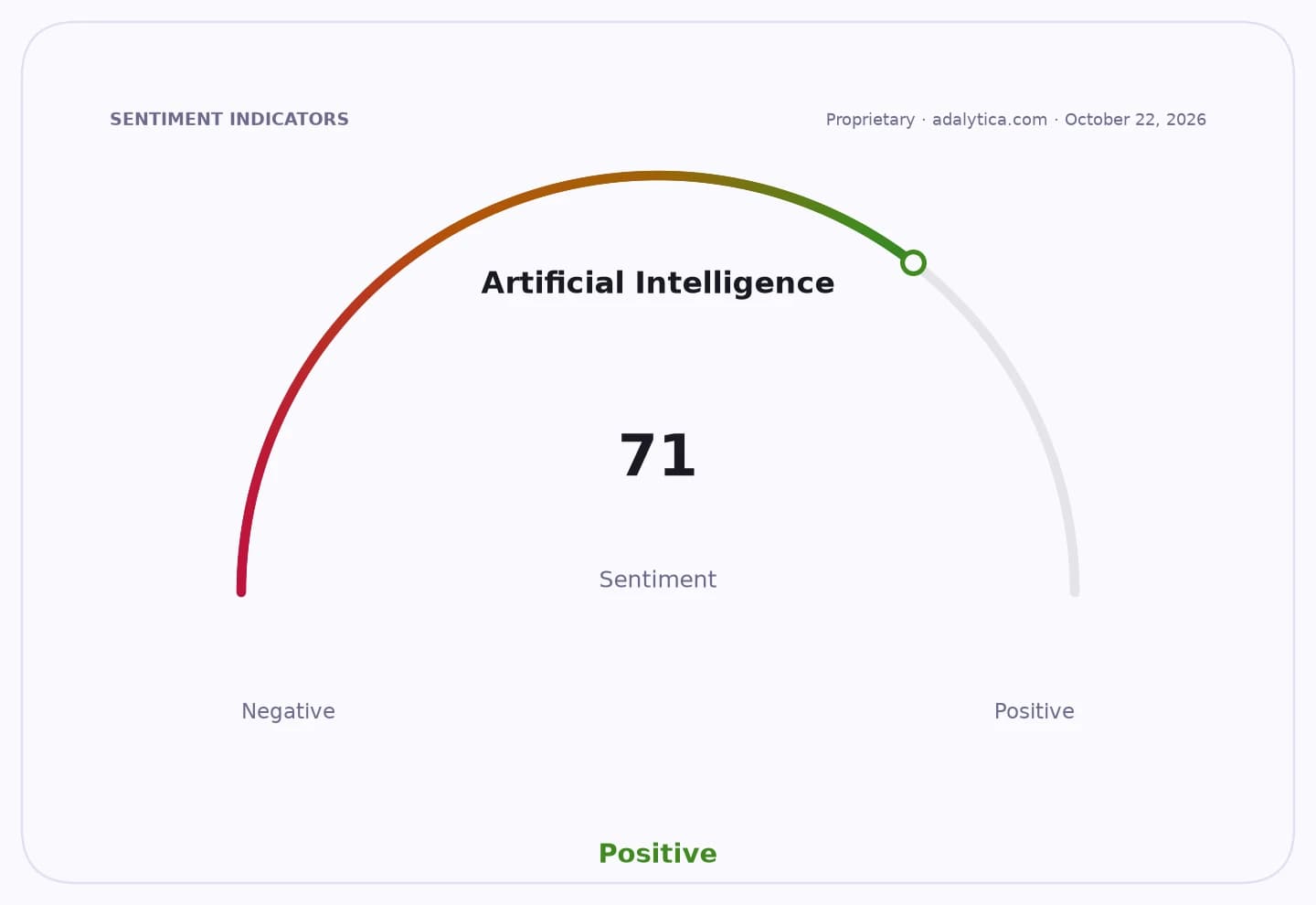
Sentiment IndicatorsⓘProprietary · adalytica.com · October 22, 2026
This is a snapshot — live sentiment, awareness and momentum for 130+ markets update continuously in the dashboard.Open AlphaPulse
That matters because modern finance runs on speed and interconnectedness. If consumers begin moving deposits at the first sign of trouble — or if AI agents start making financial decisions across thousands or millions of accounts — the old assumptions that stabilize the system can break down fast. Andrew Bailey’s warning that “if we don’t have trust in money, we don’t operate as a society” is not rhetoric. It is a reminder that cyber resilience is now a macroeconomic issue, not just an IT budget line.
For investors, that shifts the opportunity set. The market still tends to treat cybersecurity as a software niche, but the policy backdrop is turning it into essential infrastructure. Banks, payments firms, cloud providers and consumer platforms all have to spend more to defend identity, transactions and customer trust. That creates a durable tailwind for names like CrowdStrike, Fortinet and Palo Alto Networks, which sit at the center of enterprise security spending and have been rewarded by investors as the threat environment intensifies.
Artificial Intelligence vs CRWDadalytica.com
Explore this data interactively — full history, time series and cross-market comparisons.Open AlphaPulse
The price action shows the market already sensing that shift. CrowdStrike has climbed to $239.34 from a low near $94 earlier this year, while Fortinet sits at $174.05 after moving up from the low $100s. Palo Alto Networks has been far more volatile, but even after a sharp pullback to $347.25 from more than $419 this month, it remains well above levels seen earlier in the year. Those moves tell you that investors are not just buying software growth — they are pricing in a structural increase in security demand.
The bigger implication is that AI may create both the problem and the solution. AI agents can accelerate fraud, social engineering and automated attacks, but they also force corporations and regulators to spend on detection, verification, identity management and response. That means cybersecurity vendors with broad platforms, recurring revenue and exposure to enterprise and government budgets should remain among the clearest beneficiaries of the AI capex cycle.
The near-term catalyst is regulatory and operational. G7 finance ministers are already planning simulations to test financial-system resilience to cyberattacks, while the UK wants AI safety on the G20 agenda. Those exercises will not eliminate the risk, but they should keep the issue front and center for banks, insurers and public-market investors. The practical takeaway is simple: in a world where AI can scale fraud faster than humans can stop it, the best long-term positioning is in the firms selling digital trust, not in the companies hoping the threat stays theoretical.
| Entity | Gains | Losses |
|---|---|---|
| Cybersecurity vendors | ▲Higher demand for protection tools | ▼ |
| Banks and payments firms | ▲ | ▼Higher compliance and defense costs |
| Consumers | ▲Better fraud protection | ▼More friction in digital finance |
| AI-enabled fraudsters | ▲ | ▼Greater scrutiny and countermeasures |