A fresh breach at Brazil’s Mercado Bitcoin is the latest reminder that crypto exchanges remain a prime target for hackers, even after the industry’s biggest platforms have spent months trying to harden defenses following the record Binance theft.
Mercado Bitcoin suspends withdrawals after security incident
Bitcoin
The Brazilian exchange suspended crypto deposits and withdrawals after spotting a security incident early Monday, while blockchain security firm Hypernative said it identified more than $40 million in suspicious transfers across at least 10 blockchains, including Bitcoin, Ethereum, Solana and Tron. Mercado Bitcoin said customers were not hurt and no data was leaked, but the incident shows how quickly attackers can move funds through the fragmented crypto plumbing before exchanges can fully shut the door.
Sentiment Indicators
That matters economically because exchange hacks do more than drain tokens — they damage trust in the market infrastructure that supports trading, custody and stablecoin settlement. In a sector still trying to convince institutional investors that digital assets can be held and traded safely at scale, every new incident reinforces the risk premium hanging over the industry. The fact that the suspicious activity spanned multiple chains also underlines how difficult it is to trace, freeze and recover assets once they are in motion.
Tether said it froze more than 4.5 million USDT linked to the incident, but that is only a partial containment step, not a recovery. The larger alleged flow remained far above that figure, and the exchange has not yet given a timeline for restoring deposits and withdrawals. For investors, that leaves the same uncomfortable question that has followed past breaches: whether the problem is isolated or a sign of a deeper operational weakness across crypto venues.
Bitcoin — 30-day sentimentadalytica.com
Explore this data interactively — full history, time series and cross-market comparisons.
The timing is especially bad for the sector. The Mercado Bitcoin episode followed the disclosure of Binance’s $6.3 billion hack, which the FBI blamed on North Korean hackers using malware and social engineering. Binance said it has compensated most of the stolen assets, but the broader message is that even the largest exchanges with deep resources and global security teams are vulnerable. That is a warning shot for smaller platforms with thinner defenses and less room to absorb losses.
The market implication is straightforward: security winners will separate themselves from the pack. Exchanges, custodians and stablecoin issuers with strong compliance, rapid freeze mechanisms and visible incident response may gain share as weaker operators lose credibility. For listed U.S. names such as Coinbase, the near-term read-through is not direct earnings risk from this one hack, but a renewed argument that regulated, capitalized platforms should command a premium over less transparent offshore venues.
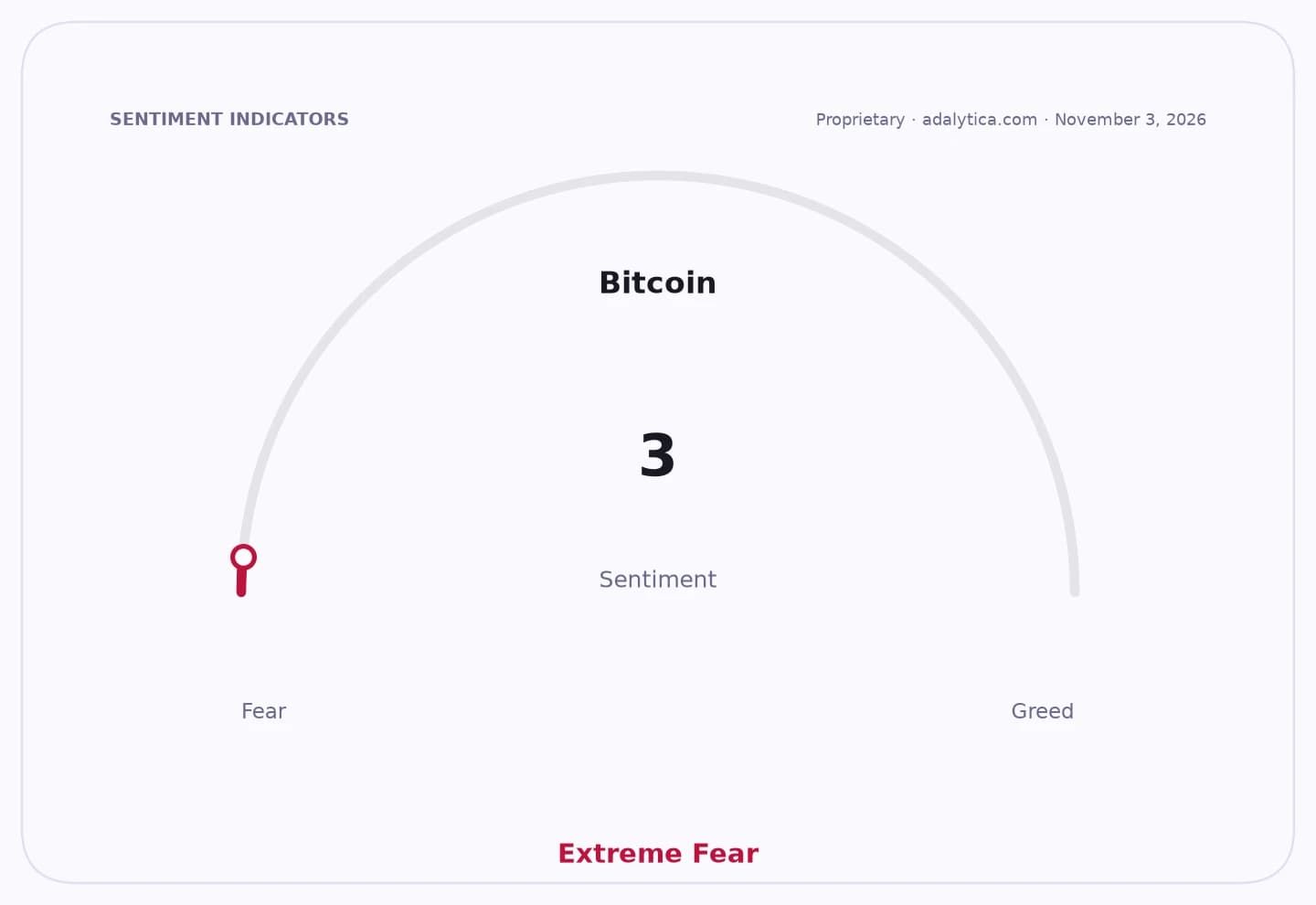
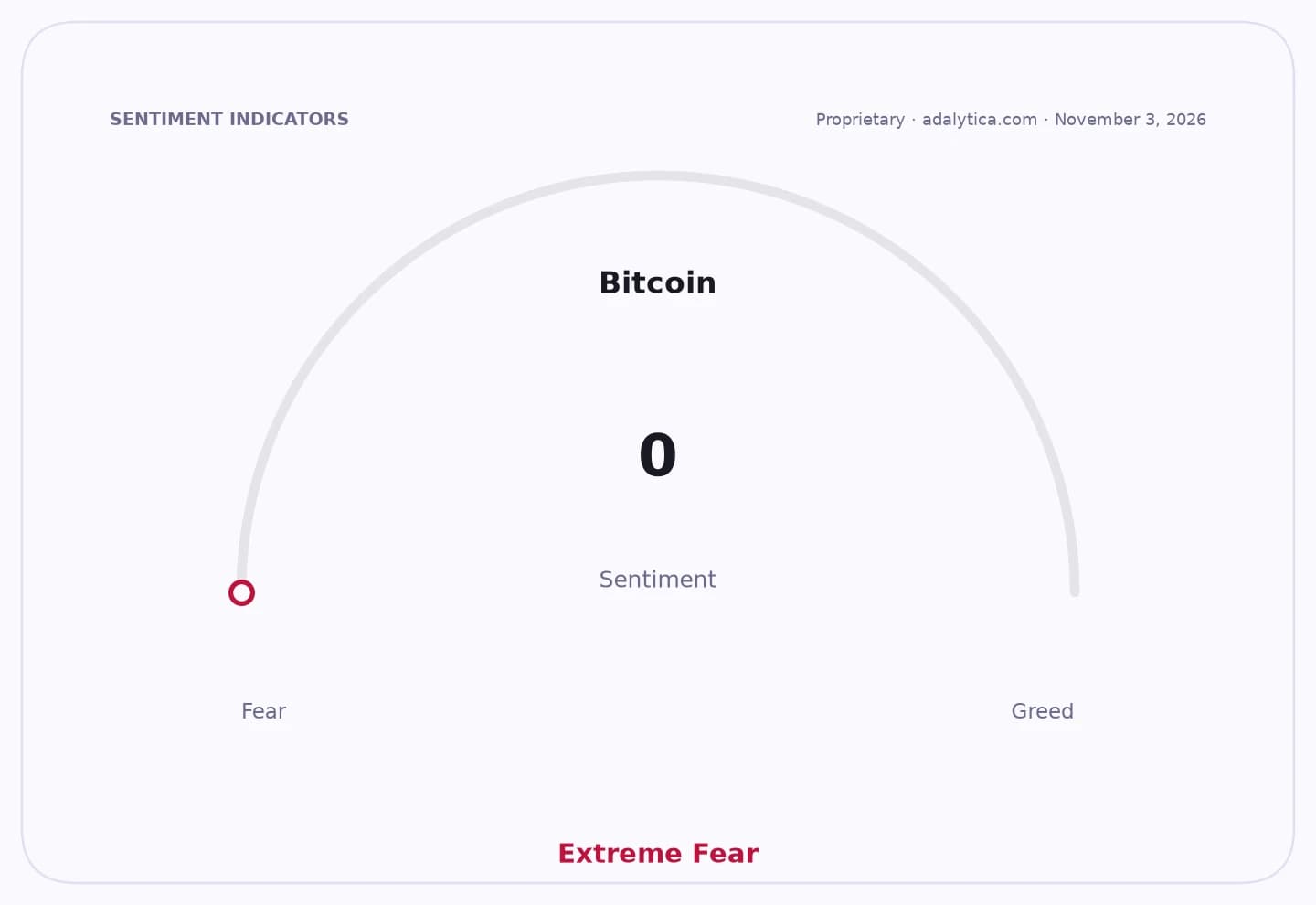
Bitcoin’s own trading backdrop shows how fragile sentiment remains. Adalytica’s Bitcoin Fear & Greed Index sits in “Extreme Fear,” while its awareness reading is near the top of the scale, a sign that the hack narrative is dominating market attention even as participation stays high. That combination usually means investors are watching for another shock rather than chasing risk aggressively.
The investable takeaway is to treat exchange breaches as a structural feature of the crypto cycle, not a one-off headline. The best positioning is in the picks-and-shovels layer — regulated exchanges, custody providers, blockchain security tools and stablecoin infrastructure that benefit from every new push toward safer rails. In crypto, security is no longer just a risk factor; it is becoming a competitive moat.
| Entity | Gains | Losses |
|---|---|---|
| Coinbase (COIN) | ▲Trust premium vs offshore rivals | ▼Sector-wide security backlash |
| Binance | ▲Faster freeze efforts | ▼Reputational damage |
| Mercado Bitcoin | ▲No customer losses claimed | ▼Suspended deposits and withdrawals |
| Tether | ▲Freeze credibility | ▼Partial asset exposure |