Binance’s grip on crypto trading weakened in the immediate aftermath of its record $6.3 billion hack, with rivals including OKX, Coinbase and Kraken taking share as users shifted activity to other venues and questioned the exchange’s operational resilience.
Binance Market Share Falls After Hack

That matters because market share is Binance’s core economic moat: the exchange’s scale supports liquidity, fee income and brand dominance in a fragmented industry where trading volume can move quickly after a security shock. Kaiko data show Binance accounted for about 42% of spot trading on the market’s top 10 platforms over the past seven days, down from roughly 48% before the hack and about 51% in mid-August, its lowest level in at least 12 weeks.
Sentiment Indicators
The redistribution is meaningful even if the selloff in confidence has not turned into a full-blown run. OKX lifted its share to about 14% from 11% the prior week, while Coinbase rose to 9.6% from 9% and Kraken also gained. For exchanges, a few percentage points of share can translate into a large swing in revenue because spot trading fees remain one of the industry’s most direct monetization channels.
The episode also shows how quickly crypto liquidity can rotate when trust is challenged. Binance suspended withdrawals after the Oct. 29 cyber-theft, which the FBI has attributed to North Korean hackers, and later restored them on Sunday. Customers have since pulled a net $5.6 billion, or about 3.5% of Binance’s total assets, according to a company spokesperson. Binance said it held $157 billion in assets as of Monday, down from $171 billion it had disclosed earlier, reflecting the theft, withdrawals and market moves.
From an investor’s perspective, the key question is whether Binance’s setback is temporary reputational damage or the start of a more durable competitive shift. The exchange said deposits began exceeding withdrawals by around 3:00 UTC on Tuesday, suggesting some normalisation. But the hack reinforces a long-standing risk premium attached to crypto venues: even the largest platform in the market can lose flow overnight if security, custody or operational continuity comes into doubt.
The beneficiaries are clear in the near term. Larger rivals with clean execution and stronger perceived security can capture users, trading volume and potentially more institutional flow. Coinbase, in particular, may benefit from its stronger regulatory profile in the US, while OKX has shown it can harvest displaced activity in fast-moving market stress. The losers are Binance’s fee pool, its brand positioning and, potentially, traders who remain exposed to elevated operational and counterparty risk across the sector.
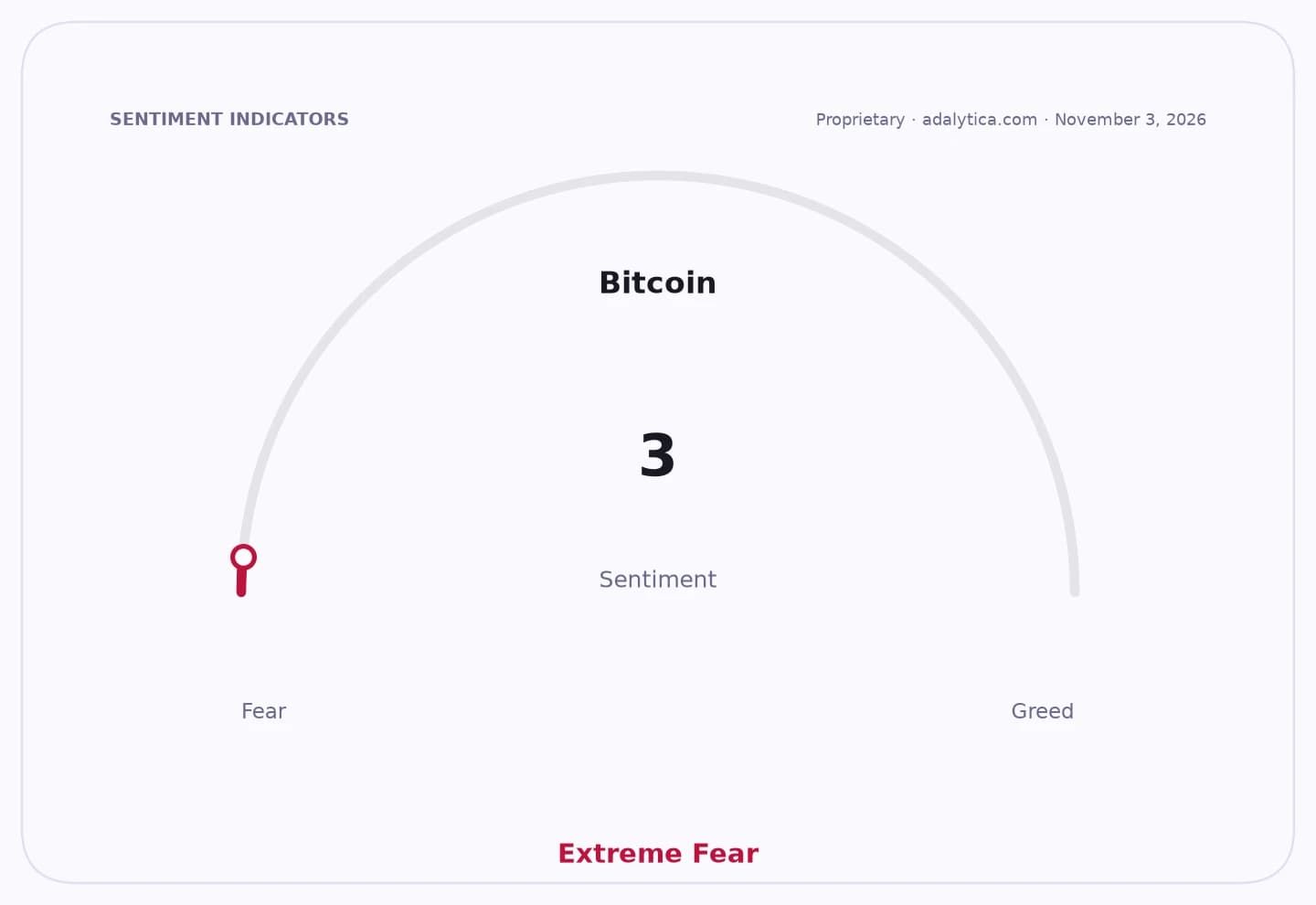
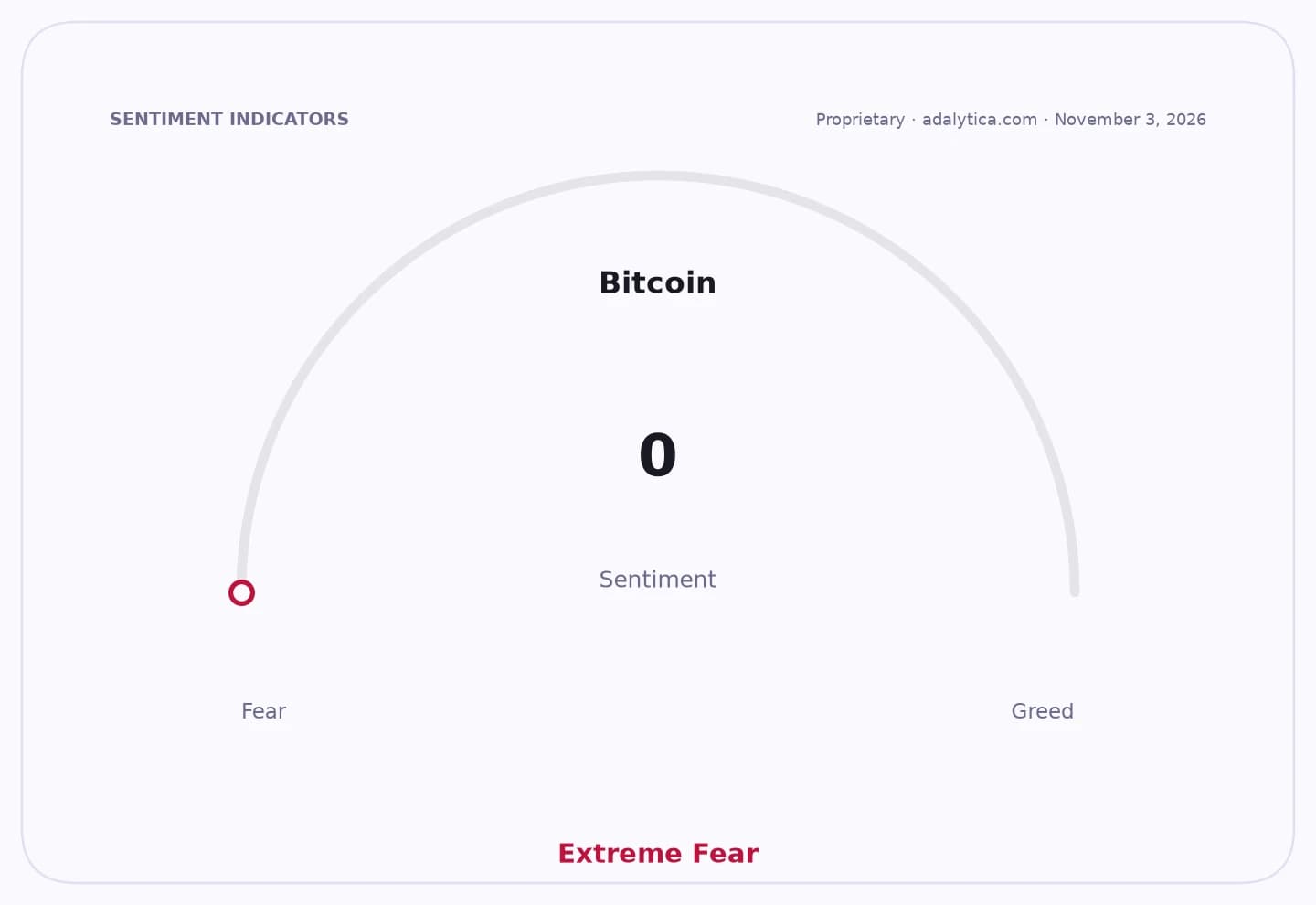
For Bitcoin and broader digital assets, the hack is another reminder that adoption still depends on faith in intermediaries. With Adalytica’s Bitcoin fear-and-greed gauge at “Extreme Fear,” the timing of the breach has amplified caution across the market. If Binance can quickly stabilise flows, the share loss may prove cyclical. If not, rivals may use the event to turn a temporary shock into a more lasting reordering of crypto trading power.
| Entity | Gains | Losses |
|---|---|---|
| OKX | ▲Higher spot share | ▼Binance displaced volume |
| Coinbase | ▲More trading flow | ▼Slower relative growth if trust heals quickly |
| Binance | ▲Short-term flow stabilisation | ▼Market share, fee revenue, confidence |
| Traders | ▲More venue choice | ▼Higher perceived custody risk |