Bitcoin’s August rally is forcing the market to confront a bigger question than whether crypto can keep climbing: whether the asset is finally being priced less like a high-beta tech proxy and more like a distinct macro reserve asset.
Bitcoin August Rally, ETF Inflows, $82,800 Break
That matters because if Bitcoin is decoupling from equities, the investment case changes. It stops being just a speculative trade on liquidity and starts looking like a portfolio diversifier with its own demand cycle, one increasingly driven by ETF flows, balance-sheet adoption and rising use in on-chain finance.
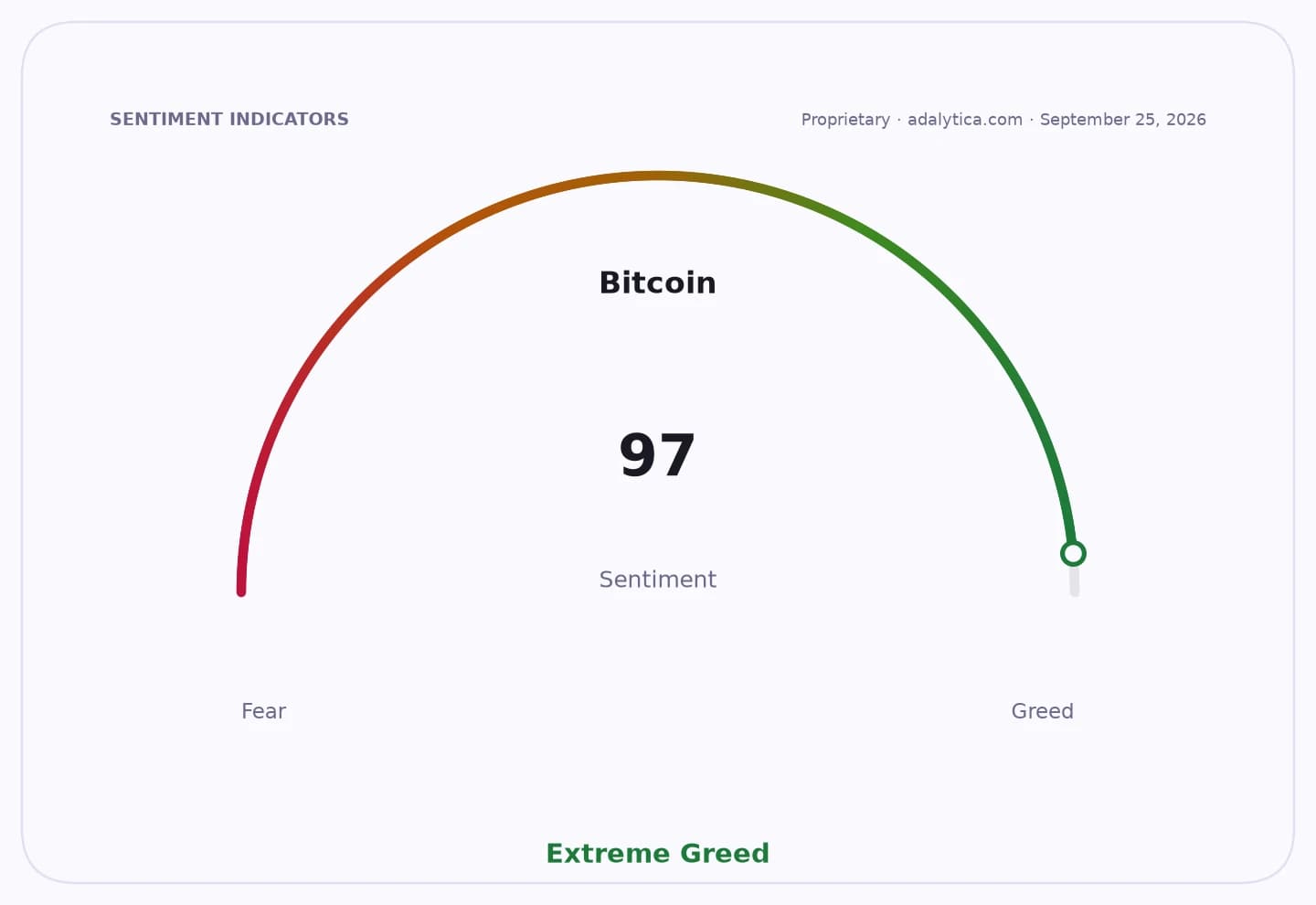
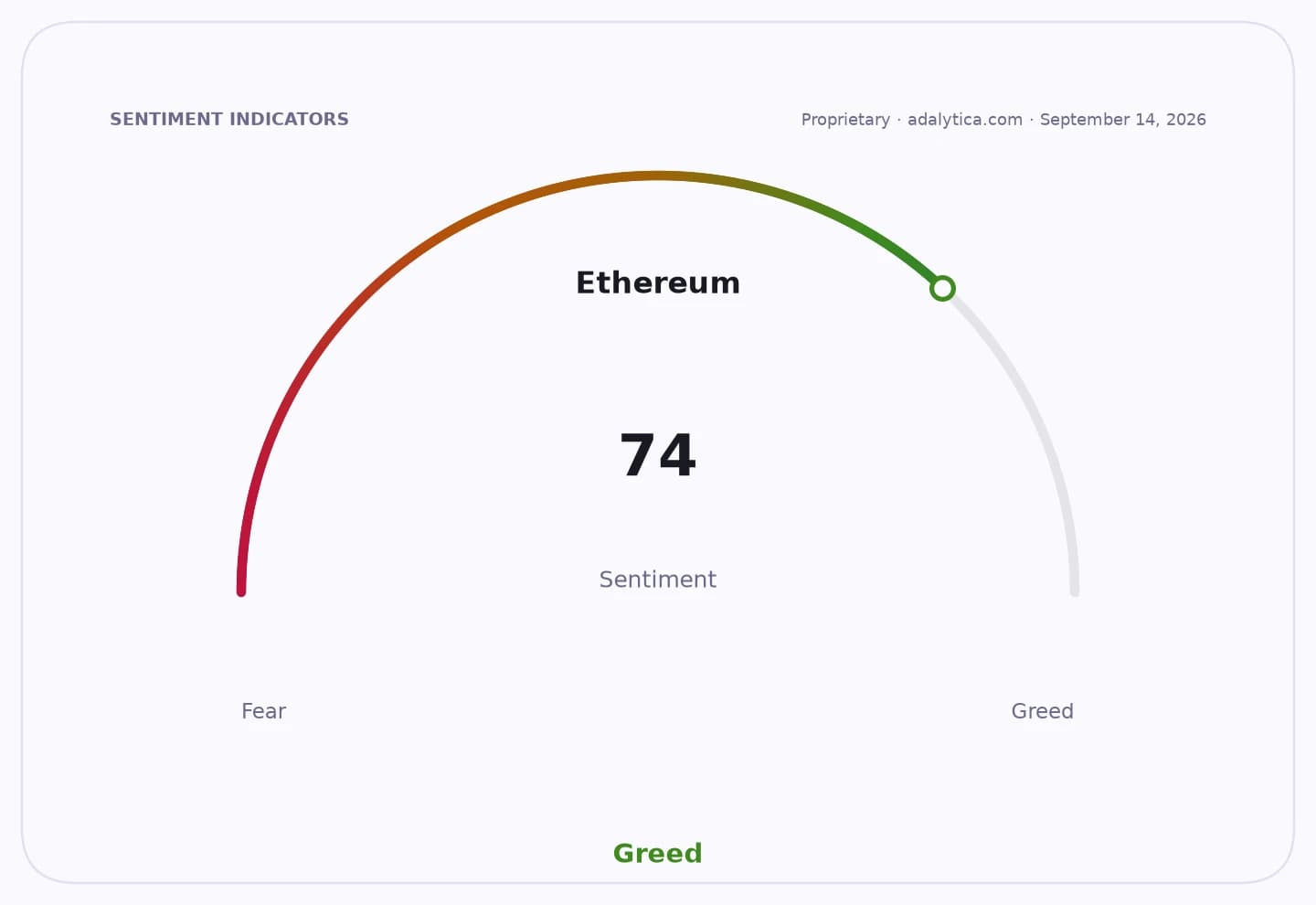
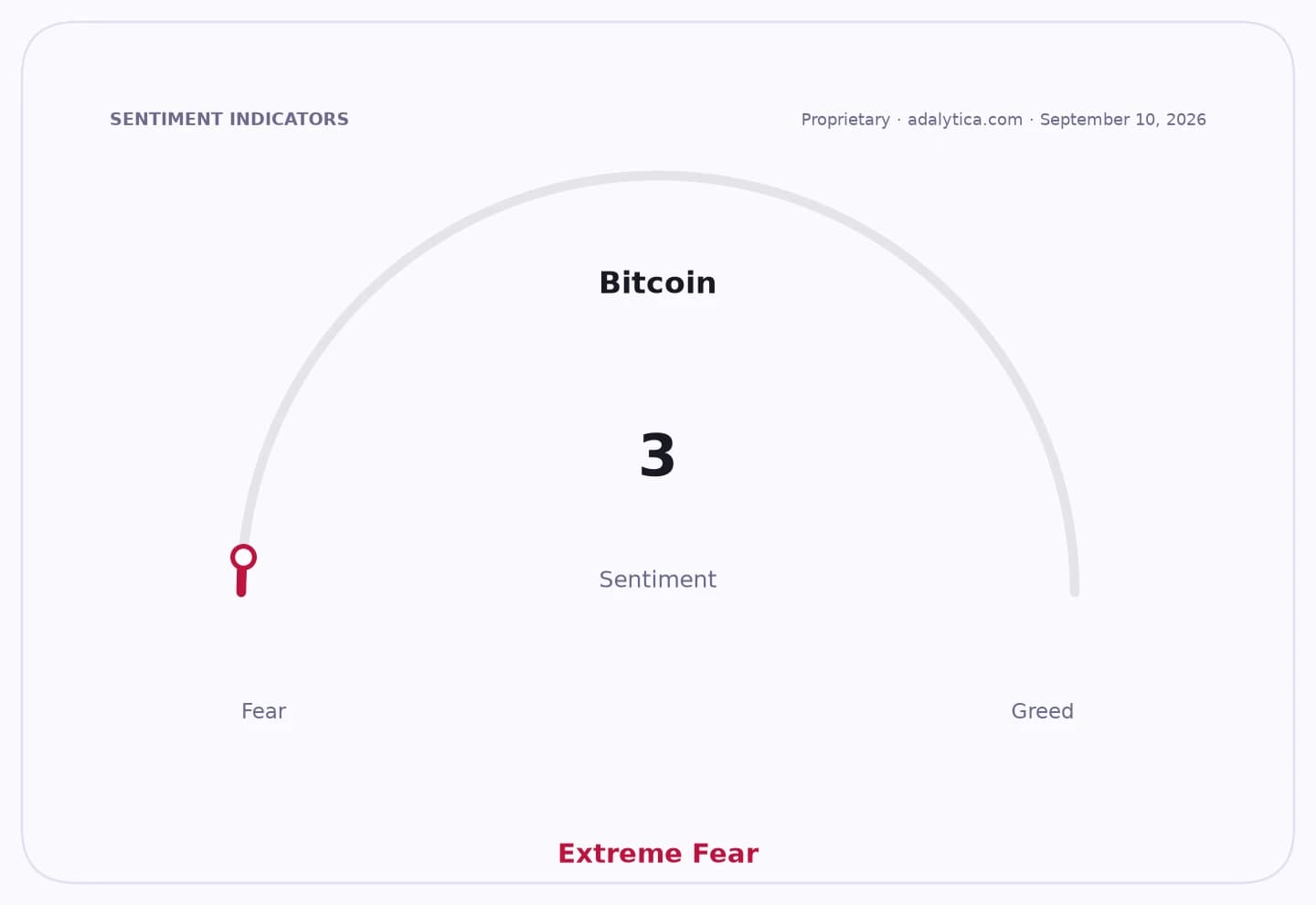
Sentiment IndicatorsⓘProprietary · adalytica.com · September 7, 2026
This is a snapshot — live sentiment, awareness and momentum for 130+ markets update continuously in the dashboard.Open AlphaPulse
Bitcoin jumped 22% in August even as the Nasdaq barely moved about 5%, while its correlation with gold hit a six-year high. At the same time, U.S. spot Bitcoin ETFs pulled in about $731 million in daily inflows, the strongest since January. Those are not the numbers of a tired momentum rally. They point to fresh institutional demand arriving through the most mainstream channel Wall Street has ever given crypto.
The market underestimates how powerful that channel is. ETF buyers are not trading around every macro headline the way short-term crypto speculators do. They are allocating. That creates a steadier bid, and when it meets an asset with fixed supply and global liquidity, price can move fast. Bitcoin’s climb back toward its 50-week moving average underscores that the longer-term trend is still being repaired, not exhausted.
This is where investors should pay attention. If Bitcoin is behaving more like gold in stressed markets and less like the Nasdaq in risk-on tape, then the main beneficiaries are not only BTC holders. Coinbase, as the core public-market crypto gateway, stands to benefit from deeper participation and higher volumes. MicroStrategy remains the purest leveraged expression of Bitcoin’s directional upside. And the broader ecosystem — from ETF providers to custody, trading and blockchain infrastructure — gains from every incremental institutional dollar.
Scott Melker’s warning that the correlation shifts may not last is fair, but that does not weaken the thesis. It strengthens it. A permanently fixed correlation was never the point. The point is that Bitcoin no longer appears trapped in one regime. It can act like a risk asset, a liquidity trade or a store of value depending on the macro backdrop. That optionality is what makes it investable at scale.
The next catalyst is simple: continued ETF inflows and a confirmed break above $82,800, which Melker flagged as a higher high that would improve the technical structure. If that happens alongside persistent weakness in equities or firmer gold, the decoupling debate will end the way most market arguments do — with price.
For investors, the takeaway is clear: Bitcoin’s move is not just a crypto rally. It is an early signal that capital is beginning to treat BTC as a standalone macro asset, and that shift could reward patient exposure through the highest-conviction public proxies before the market fully catches up.
| Entity | Gains | Losses |
|---|---|---|
| Bitcoin holders | ▲Decoupling narrative | ▼None directly |
| Bitcoin ETF issuers | ▲Fresh inflows | ▼Mutual-fund laggards |
| Coinbase, MicroStrategy | ▲Higher crypto participation | ▼Equity skeptics |
| Equities/Nasdaq | ▲Little direct benefit | ▼Relative capital rotation |