Bitcoin’s long-term security debate just got more urgent: artificial-intelligence agents can now cut the cost of a key quantum-attack step on Bitcoin by 86%, making a once-theoretical threat look materially cheaper to test and iterate. That matters because the market still prices Bitcoin like a hard-capped digital commodity, while the security model that underpins that scarcity is now being pushed into a faster-moving AI and quantum arms race.
Bitcoin quantum risk and post-quantum security

The immediate economic significance is not that Bitcoin is about to be broken tomorrow. It is that the cost curve for finding weaknesses is falling faster than many investors expected. When AI systems compress research time and computational effort, they lower the barrier for security discovery, red-team experimentation and, eventually, exploitation. For a network whose value rests on trust in cryptographic finality, even incremental progress toward practical attack methods changes the risk premium.
Sentiment IndicatorsⓘProprietary · adalytica.com · September 13, 2026
This is a snapshot — live sentiment, awareness and momentum for 130+ markets update continuously in the dashboard.Open AlphaPulse

Investors should care because this is exactly the kind of asymmetric issue the market tends to ignore until it is too late. Bitcoin’s price is still driven mostly by liquidity, ETF flows and macro risk appetite, but the asset’s valuation also depends on a belief that its core cryptography remains out of reach. If AI helps shrink the cost of quantum research by 86%, the next fight is not over whether Bitcoin can be attacked today; it is over whether the protocol, wallet infrastructure and custody stack are moving fast enough to stay ahead of the threat curve.
That makes the real investment story bigger than Bitcoin itself. The beneficiaries are the companies and funds building the next layer of digital asset security, post-quantum cryptography, key management and institutional custody. The losers are complacent holders who assume “not yet” is the same as “never,” and miners, exchanges and treasury firms that are exposed to a narrative shock if quantum risk becomes a mainstream market theme.
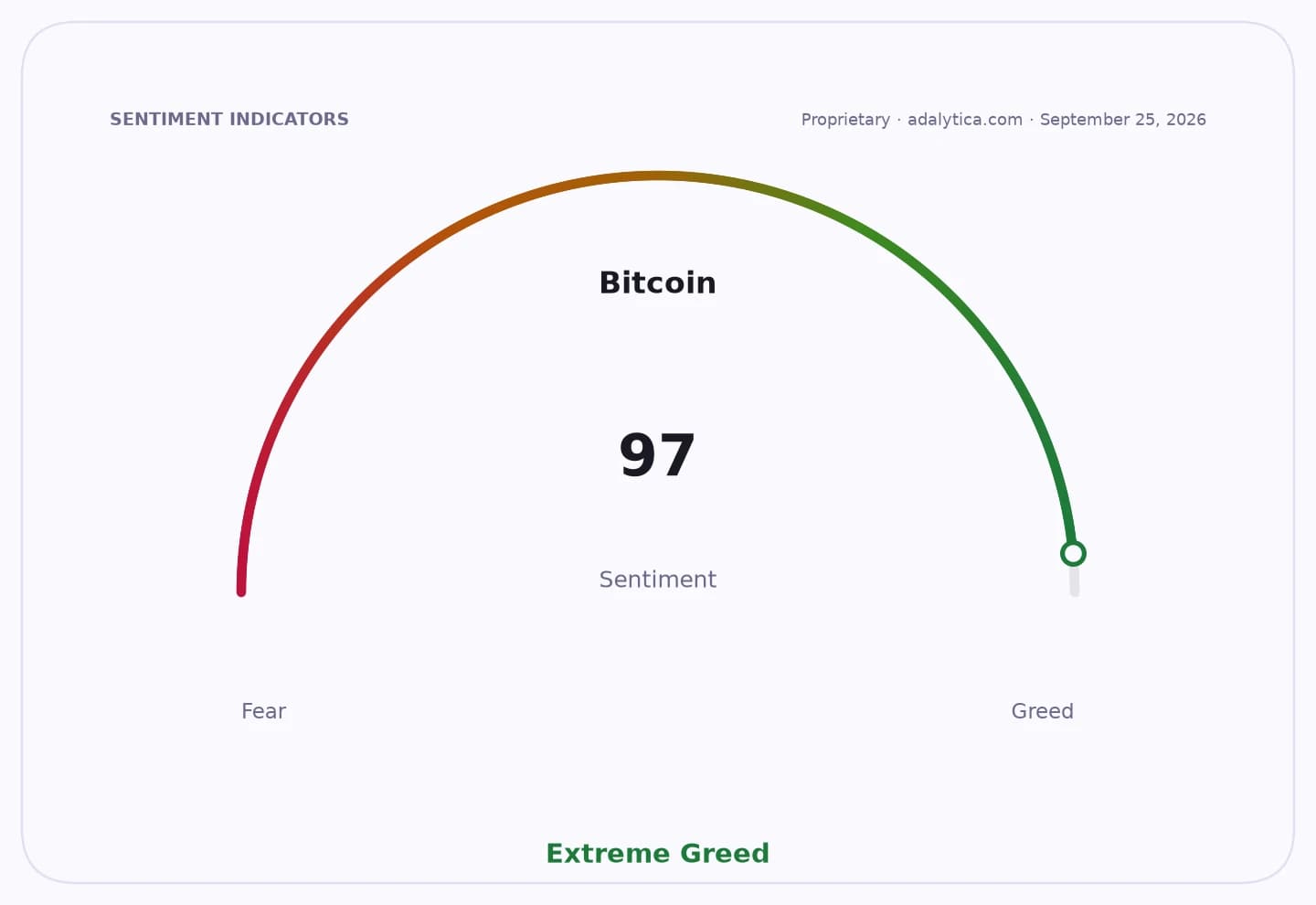
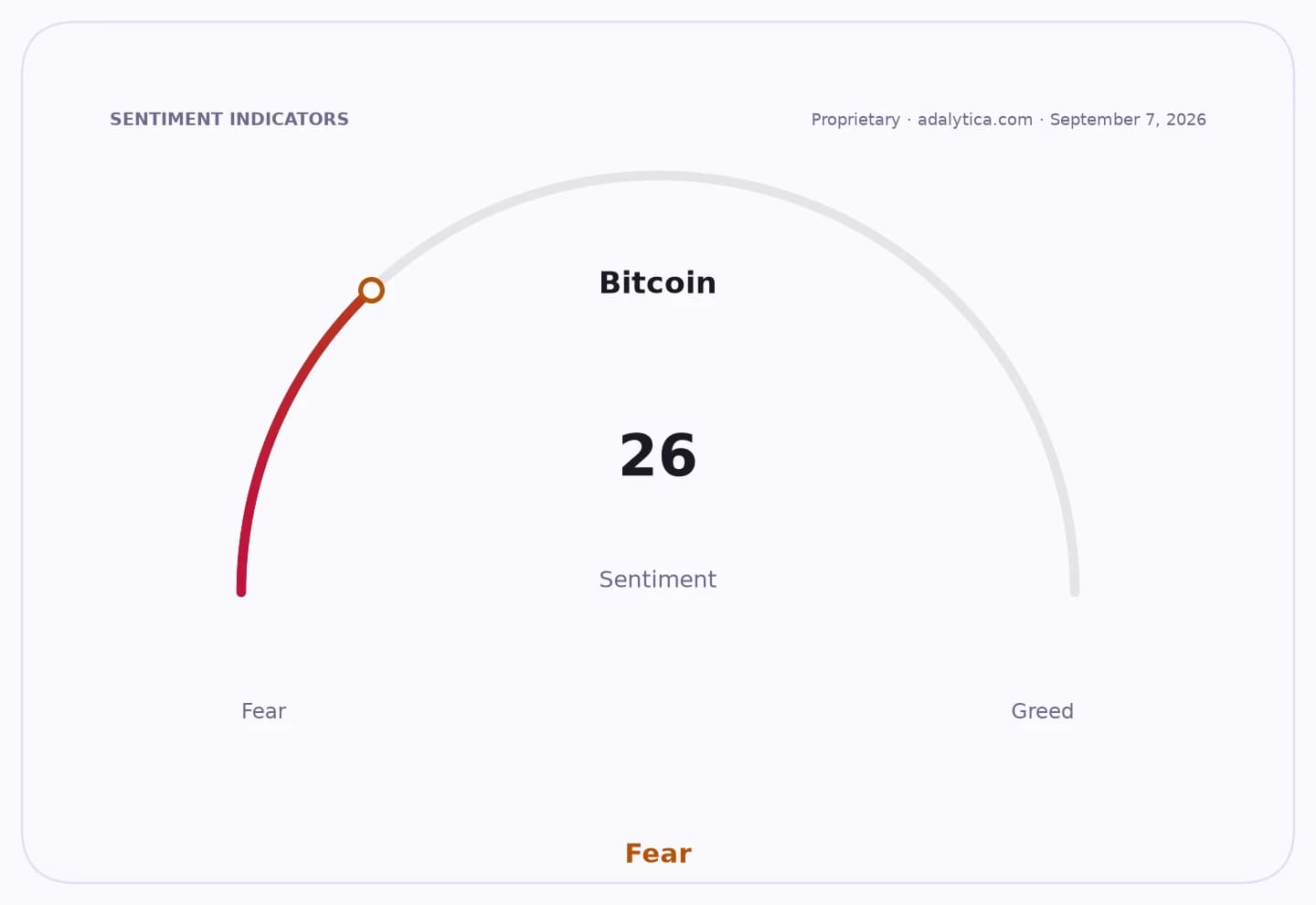
The price action already reflects a fragile tape. Bitcoin is trading around $77,000 after a sharp unwind from above $123,000 earlier in the cycle, and the technical picture remains weak, with the 50-day moving average above the current price and the RSI in neutral-to-soft territory. Coinbase and MicroStrategy have also been under pressure, underscoring how quickly sentiment can swing when the market questions either Bitcoin demand or the durability of the thesis around it. Adalytica’s Bitcoin Fear & Greed Index shows Extreme Fear, which tells you investors are already leaning defensive before this security issue fully enters the mainstream conversation.
That is why this development matters now. AI is not just boosting productivity in software and chips; it is also accelerating the pace at which attackers can search for edge cases in systems once thought too expensive to crack. In crypto, that changes the timeline. A threat that used to look like a distant science project can become a credible strategic risk much sooner, and markets hate uncertainty when the underlying asset is supposed to be certainty itself.
My view is simple: the market is underestimating how quickly quantum-readiness could become a valuation issue for Bitcoin and a multi-year opportunity for the security layer around it. If you own Bitcoin, you need to watch protocol upgrades and custody innovation closely. If you want the better asymmetry, look past the coin and toward the infrastructure that makes the network survivable in a post-quantum world.
| Entity | Gains | Losses |
|---|---|---|
| Post-quantum security firms | ▲Higher demand | ▼ |
| Bitcoin holders | ▲Long-term fixes if adopted | ▼Rising protocol risk |
| Coinbase, custodians | ▲Security upgrade sales | ▼Trust shock if risk rises |
| Short Bitcoin skeptics | ▲Narrative pressure on bulls | ▼ |