Bitcoin is back above the critical $82,000 threshold, and the move matters because it is being driven less by crypto-specific hype than by a shifting macro backdrop that could unlock a broader risk rally across digital assets.
Bitcoin Reclaims $82,000 as Fed Cut Bets Rise
The world’s largest cryptocurrency briefly pushed to $82,271.74 before easing to $79,745.13 on Sept. 4, but the more important signal is that Bitcoin has reclaimed a level it had struggled to hold for months after a sharp August rebound. The latest leg higher came as traders leaned harder into the view that the Federal Reserve is moving closer to rate cuts, a setup that typically weakens the dollar, lifts liquidity-sensitive assets and pushes capital back toward higher-beta trades.
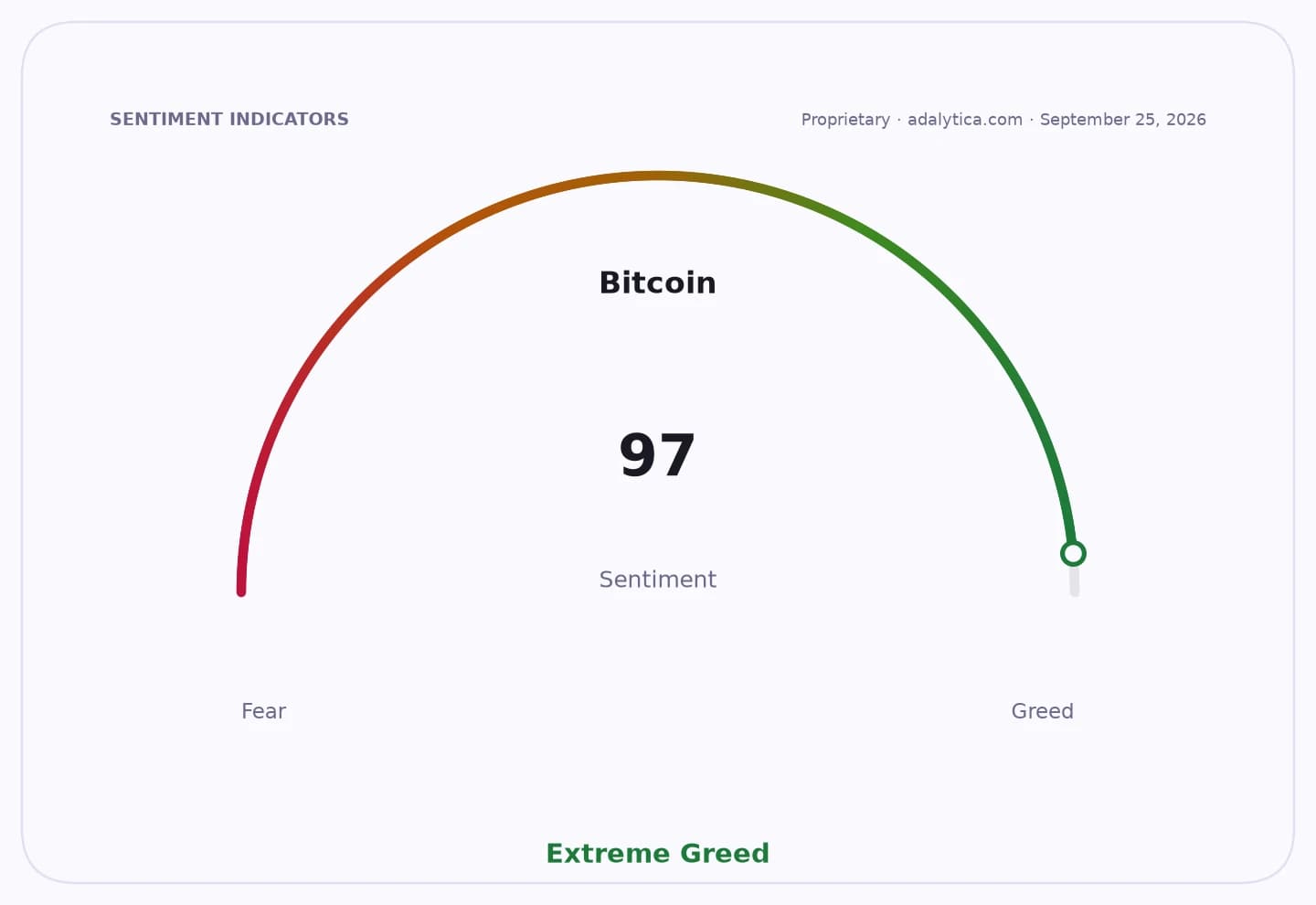
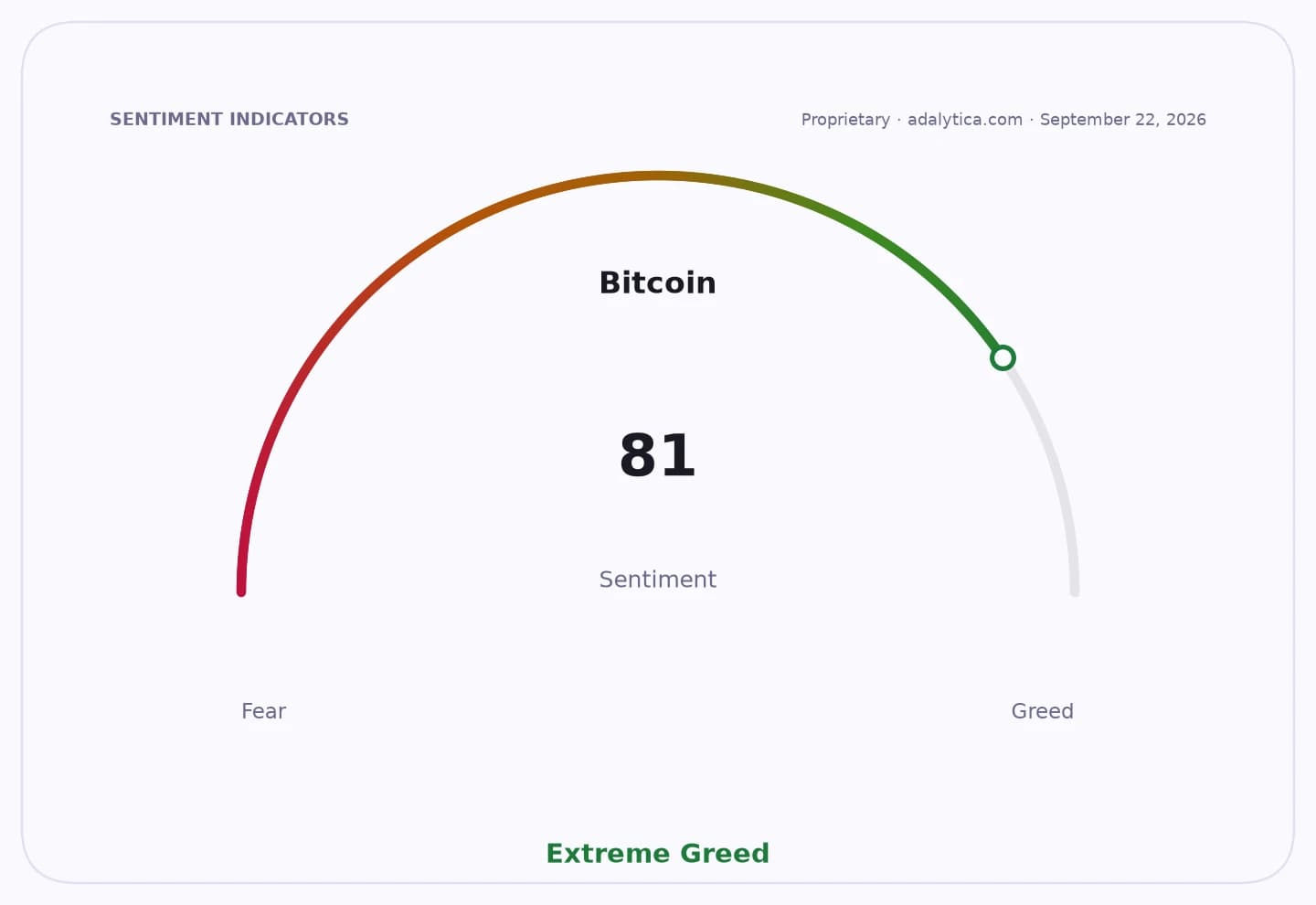
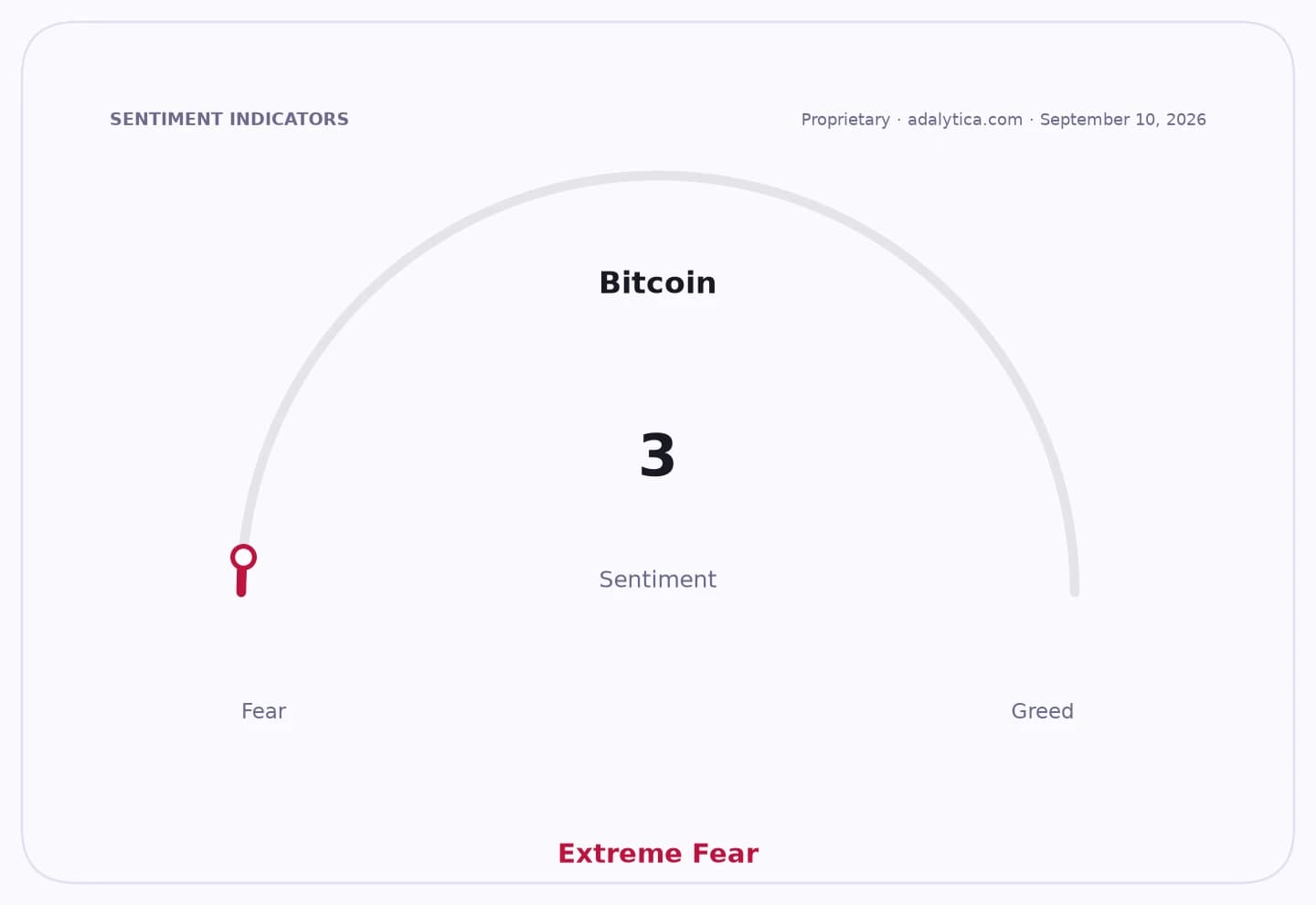
Sentiment IndicatorsⓘProprietary · adalytica.com · September 4, 2026
This is a snapshot — live sentiment, awareness and momentum for 130+ markets update continuously in the dashboard.Open AlphaPulse
That macro pivot is exactly why this breakout matters for investors. Bitcoin has spent months repairing a brutal drawdown that took it as low as $62,702 in February, and the latest move puts it within range of the next major technical test near the May high of $82,793. A decisive break there could open a path toward $90,000 and force sidelined allocators to chase performance rather than wait for a cleaner entry.
The price action also reinforces a broader thesis: crypto is behaving less like a standalone market and more like a leveraged expression of global liquidity expectations. Bitcoin’s 50-day moving average is now well above the 200-day moving average, while conventional technical readings show momentum recovering from oversold levels. On Adalytica.com’s Bitcoin Fear & Greed Index, sentiment sits at 44, neutral, but awareness remains in “Extreme Fear,” a combination that often marks markets still under-owned even as prices improve.
The rally is already spilling into the rest of the crypto complex. Ethereum jumped above $2,500, XRP surged more than 9% to $1.47, and Solana climbed back to $105, a sign that Bitcoin’s move is not an isolated squeeze but a re-risking of the entire asset class. That matters because altcoins typically outperform when liquidity improves and traders regain confidence in the durability of the trend.
For investors, the opportunity is less about trying to top-tick Bitcoin and more about positioning for second-order winners. If the Fed does deliver the easing cycle the market is beginning to price in, crypto exchanges, trading platforms and balance-sheet-heavy Bitcoin holders should benefit from a renewed speculative bid. Coinbase and MicroStrategy remain the most obvious liquid proxies for that trade, while Bitcoin itself remains the cleanest expression of the macro call.
The risk is simple: if Bitcoin fails again at $82,793, traders may treat the move as another failed breakout and rotate back into cash. But if it clears that ceiling on volume, the market may finally be entering the next phase of the cycle. For now, the thesis is straightforward: the Fed’s dovish turn is the catalyst, and Bitcoin is the first asset telling you where liquidity may go next.
| Entity | Gains | Losses |
|---|---|---|
| Bitcoin bulls | ▲Breakout potential | ▼Sideways chop risk |
| Altcoins | ▲Momentum spillover | ▼BTC dominance if rally stalls |
| Coinbase | ▲Higher trading volumes | ▼Quiet markets |
| MicroStrategy | ▲Treasury value uplift | ▼BTC pullbacks |