BitOasis is entering a new growth phase under fresh leadership as the UAE crypto platform doubles down on regulated expansion across the Gulf, a move that matters because institutional adoption in the region is increasingly being shaped by licensed venues, product breadth and trust.
BitOasis names Rami Rigg CEO amid Gulf expansion
The company has appointed former HSBC and Deutsche Bank executive Rami Rigg as chief executive, replacing co-founder Ola Doudin as BitOasis looks to scale beyond its founding retail franchise. The leadership change comes as the exchange leans into a more institutional model, with an over-the-counter desk for professional clients, regulatory approval for derivatives products and a Bahrain licence that gives it a broader Gulf footprint.
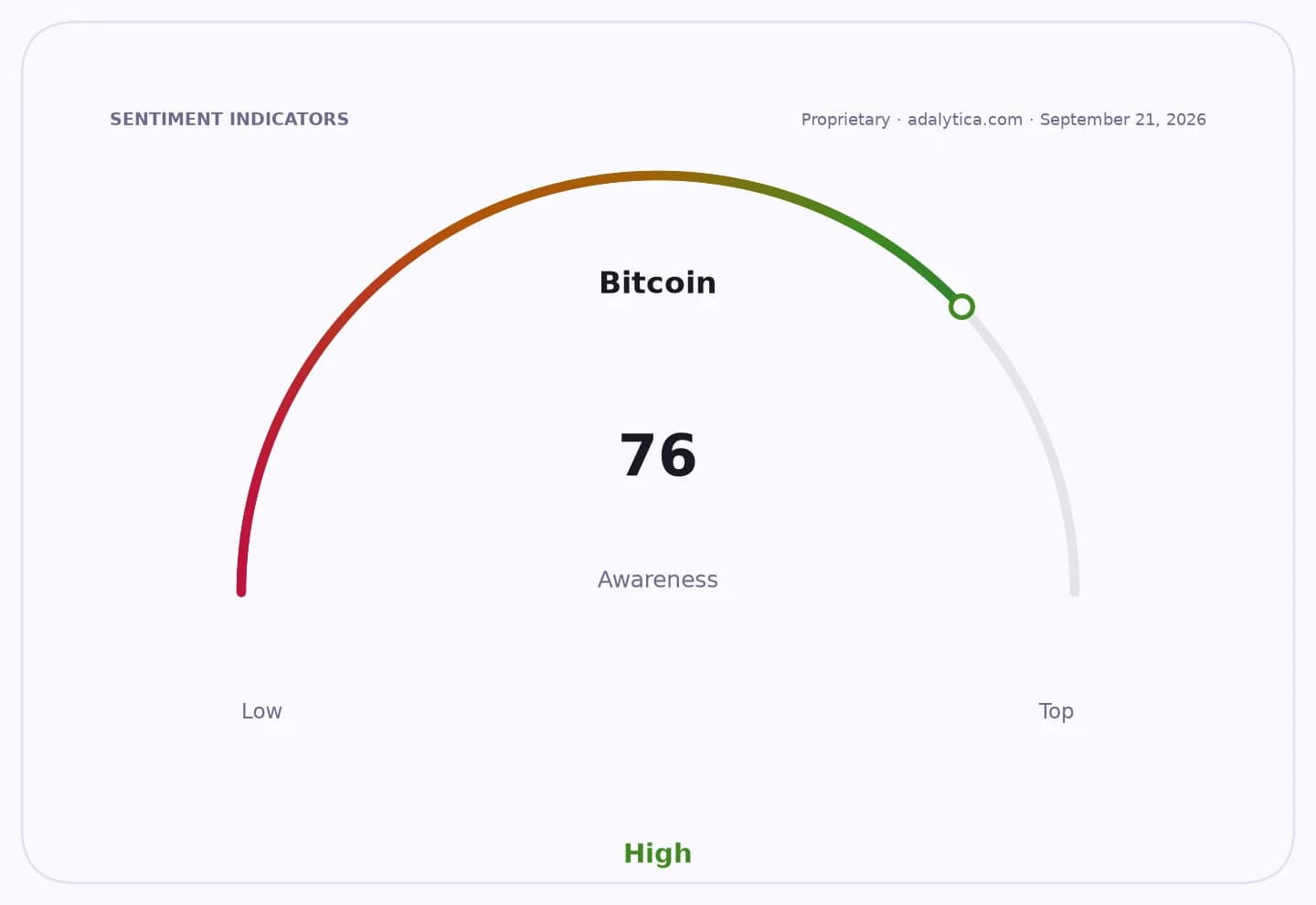
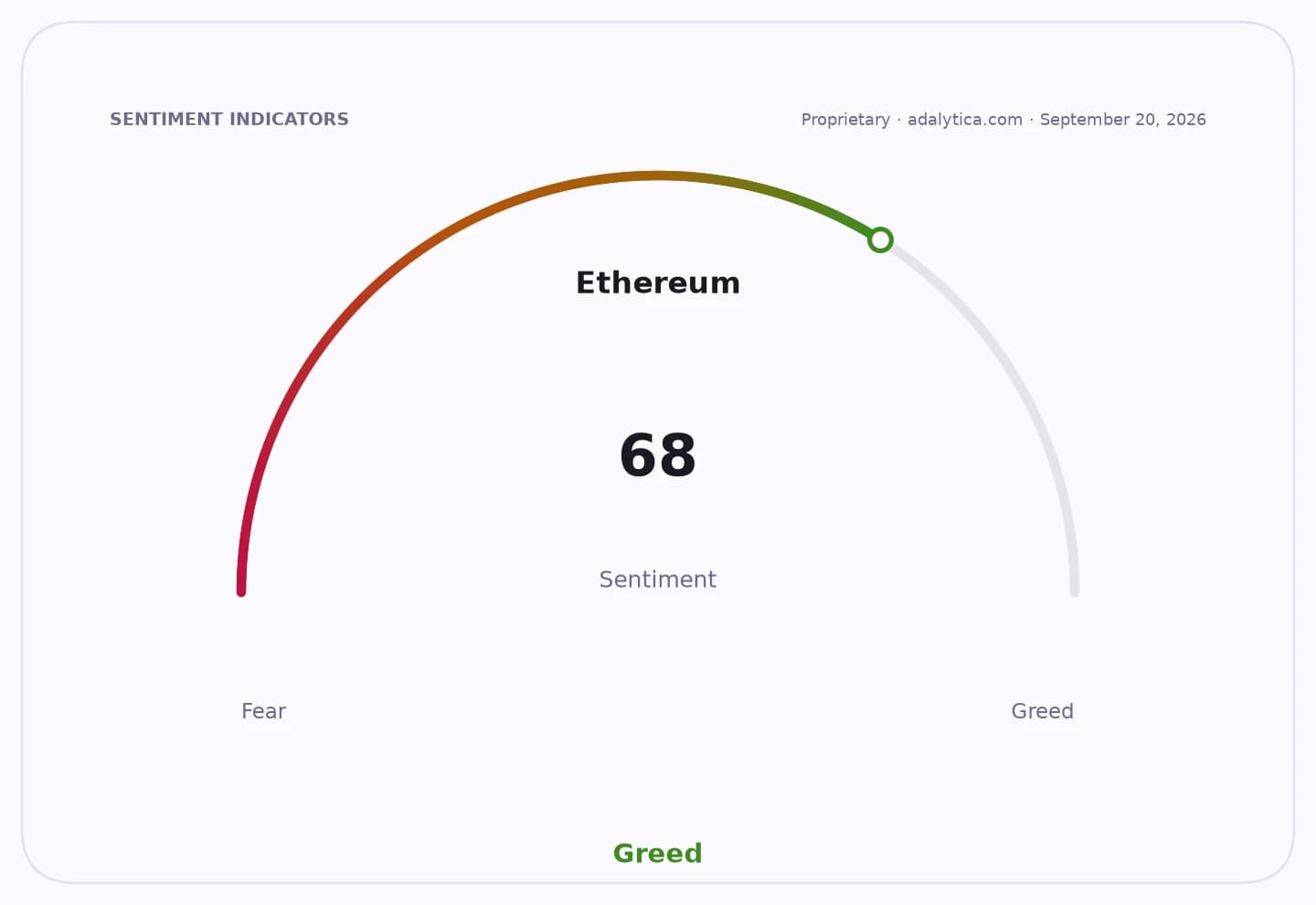
Sentiment IndicatorsⓘProprietary · adalytica.com · September 4, 2026
This is a snapshot — live sentiment, awareness and momentum for 130+ markets update continuously in the dashboard.Open AlphaPulse
That shift is economically significant because the next stage of crypto growth in the Middle East is less about speculative retail flows and more about regulated market infrastructure. In that environment, exchanges with bank-grade compliance, custody and trading capabilities are better placed to capture institutional capital, family office demand and cross-border activity. BitOasis said it has already served more than one million customers and recorded about $8.5 billion in spot trading volume, giving the platform enough scale to compete for that market as the regional digital-asset sector matures.
Rigg’s background suggests BitOasis is trying to reframe itself from startup to financial infrastructure provider. His experience spans prime brokerage, capital advisory, digital assets and stablecoin payments, and his previous role at Fuze Finance included helping build the business from inception. That profile is useful in a market where crypto exchanges are increasingly judged on execution, regulatory readiness and the ability to offer multiple products without compromising controls.
For investors and counterparties, the key question is whether the leadership change can accelerate growth without diluting the trust that has become the platform’s main differentiator. BitOasis says it has secured approval for derivatives that are moving toward launch and recently opened BitOasis Bahrain after obtaining a broker-dealer licence from the Central Bank of Bahrain. If executed well, those steps could broaden revenue streams and deepen client relationships. If not, they raise the usual risks around leverage, complexity and regulatory scrutiny.
The move also fits a wider Gulf pattern. The UAE and Bahrain are competing to attract digital-asset activity through clearer regulation, while global banks are edging further into the market. That creates opportunity for local platforms, but it also raises the bar: growth will increasingly depend on whether exchanges can win institutional trust as well as retail volume. BitOasis is betting that a seasoned banking executive can help it do both.
| Entity | Gains | Losses |
|---|---|---|
| BitOasis | ▲Regulated expansion | ▼Startup-era focus |
| New CEO Rami Rigg | ▲Broader mandate | ▼Execution scrutiny |
| Institutional clients | ▲More product access | ▼Higher complexity risk |
| Rival crypto platforms | ▲Sector validation | ▼Competitive pressure |