BlackRock’s decision to choose Solana and Ethereum is another sign that the biggest names in finance are moving blockchain from the fringes toward the core of investing.
BlackRock backs Solana and Ethereum near key averages

That matters because institutional adoption is what turns a speculative asset class into an investable one. When a firm with BlackRock’s reach leans into two of the market’s most important blockchains, it validates the idea that public chains can support real financial products, liquidity and long-term capital allocation. For investors, that can mean more durable demand for the underlying networks, broader participation from traditional asset managers and a stronger case for crypto infrastructure as a secular theme rather than a passing trade.
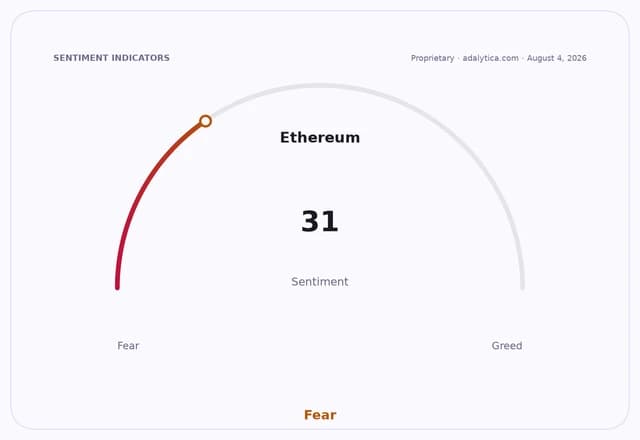
Sentiment IndicatorsⓘProprietary · adalytica.com · August 4, 2026
This is a snapshot — live sentiment, awareness and momentum for 130+ markets update continuously in the dashboard.Open AlphaPulse

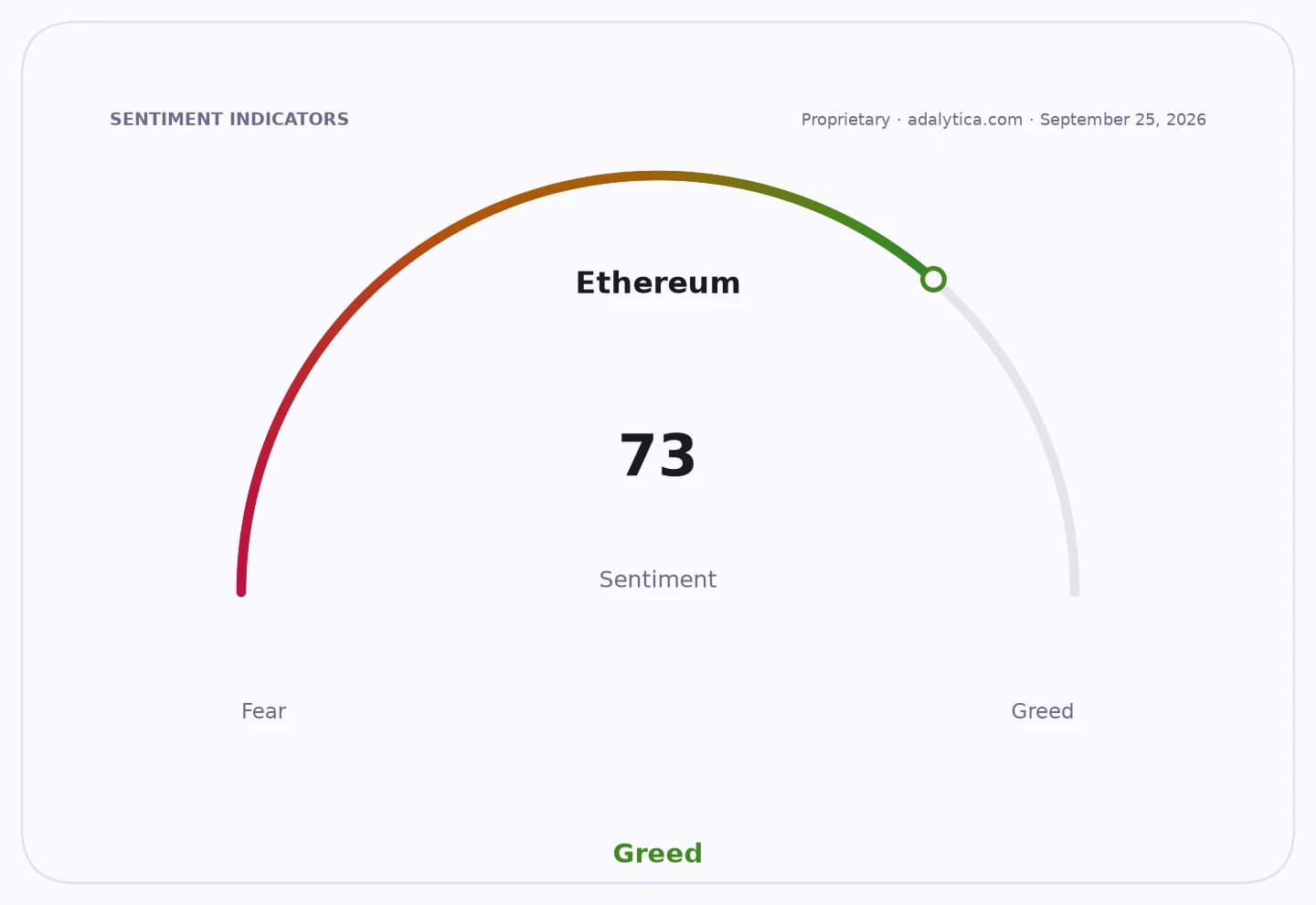
The timing also matters. Risk appetite across digital assets has been battered, with Bitcoin sentiment tracked by Adalytica.com sitting at extreme fear, even as awareness remains elevated. Ethereum sentiment is more neutral, but awareness is still in extreme-greed territory, suggesting investors are watching closely even if conviction is uneven. In other words, the market is not exuberant; it is selective. That is often when serious capital starts building positions with a longer horizon.
Price action reflects that tension. Solana has been hovering near $73.87, below its 200-day moving average of about $85.01 and just under its 50-day average near $75.02, while Ethereum has held near $1,869.80, below its 200-day average of $2,080.79 but above the 50-day average of $1,784.87. Those are not breakout charts. They are consolidation charts. And for long-term investors, consolidation after a major institutional endorsement can be more interesting than a hot rally, because it gives fundamentals time to catch up.
BlackRock itself remains a central beneficiary of the growing blockchain economy. The stock has climbed back to about $1,133, above both its 50-day and 200-day moving averages, showing that investors still see the firm as a winner from asset growth and product expansion. The bigger story is that BlackRock is not treating blockchain as a niche. It is behaving like a company that expects digital assets to become part of the plumbing of global markets.
That is where the economic significance sits. If more large managers follow BlackRock’s lead, blockchain networks such as Ethereum and Solana could see deeper liquidity, more on-chain activity and a stronger bridge between traditional finance and decentralized rails. That does not guarantee straight-line gains. Crypto remains volatile, rates are still relatively restrictive, with the federal funds rate around 3.63% and the 10-year Treasury near 4.75%, and higher yields can keep pressure on risk assets. But over time, real adoption matters more than short-term sentiment.
For investors, the takeaway is simple: BlackRock’s move is less about one trade and more about an industry shift. Blockchain is increasingly being used as infrastructure, not just a bet on price. If you are building a diversified portfolio for the next 3 to 10 years, that kind of adoption trend is worth watching closely — and keeping on the buy-and-hold radar.
| Entity | Gains | Losses |
|---|---|---|
| BlackRock | ▲Product reach | ▼Old crypto skepticism |
| Ethereum | ▲Institutional validation | ▼Marginalization risk |
| Solana | ▲Broader asset-manager interest | ▼Perception as speculative-only |
| Traditional finance rivals | ▲Blockchain exposure pressure | ▼Closed-off product lines |