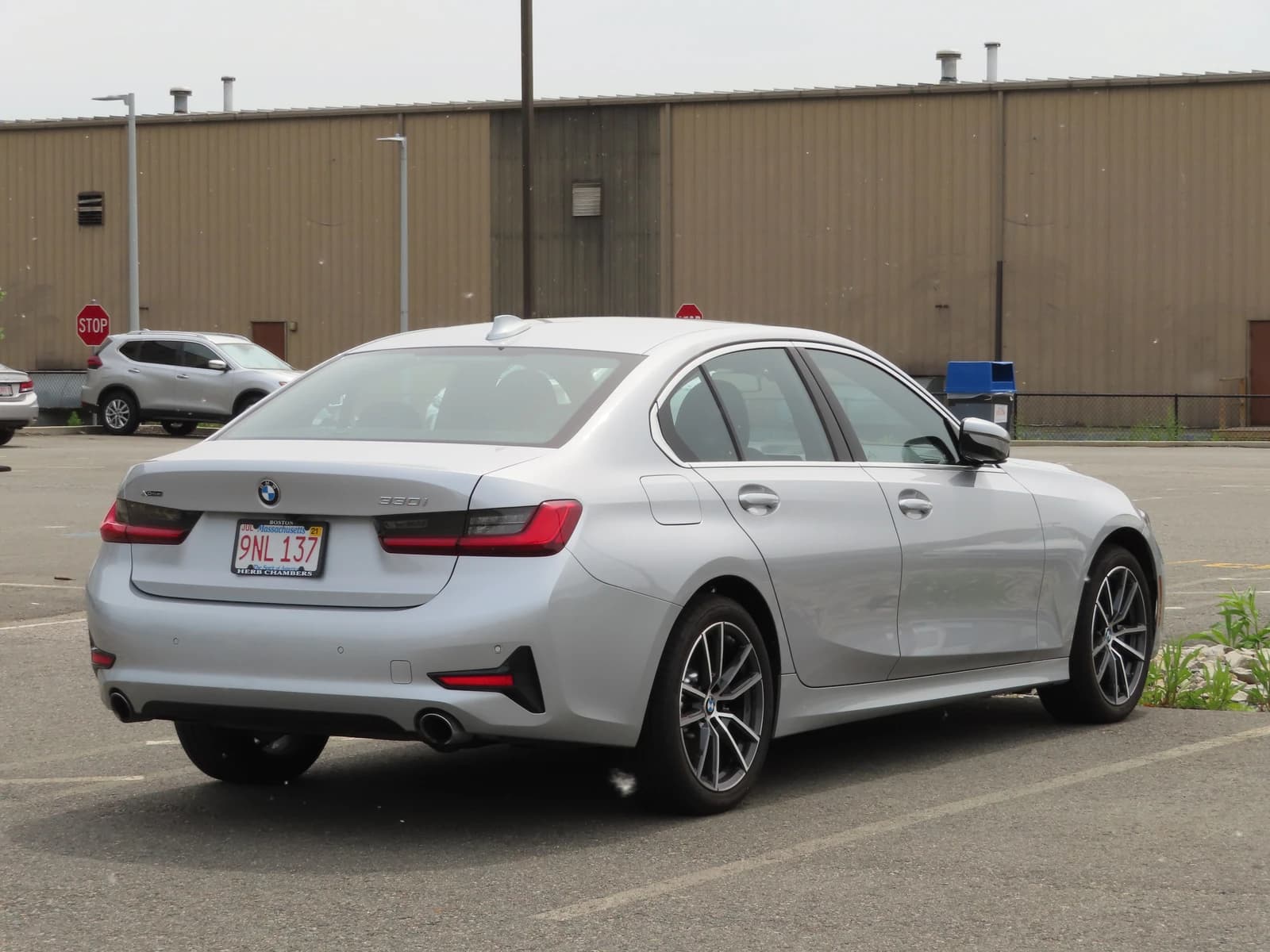
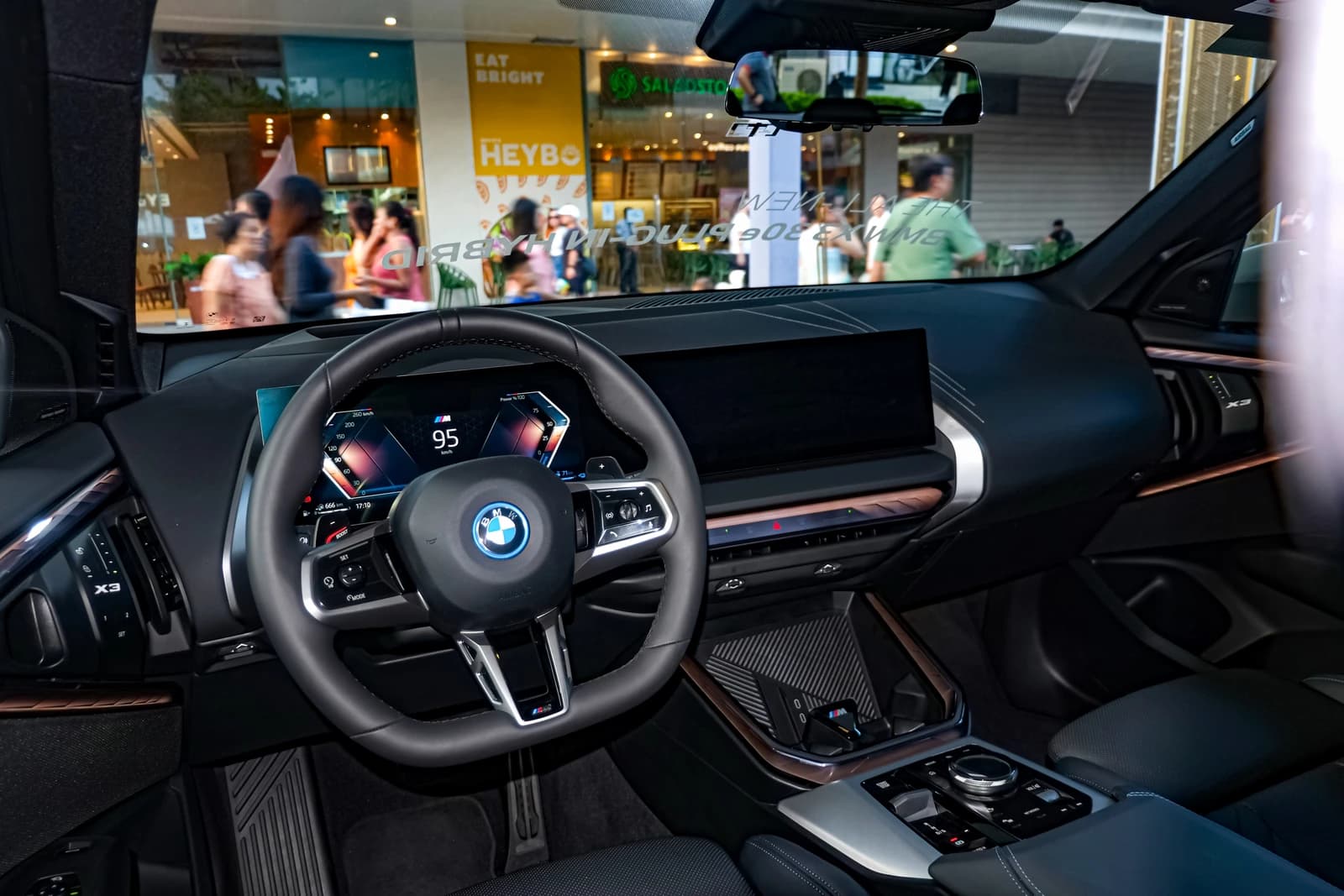
BMW’s new 128ti gives the compact performance-car fight a sharper edge, and that matters because the hot-hatch segment is one of the few places where brand loyalty, engineering credibility and pricing power all collide.
BMW 128ti Launches as Golf GTI Rival
The 128ti lands below the M135i xDrive in BMW’s 1 Series range, but it is built to do more than fill a gap on the showroom floor. BMW is aiming it straight at the Volkswagen Golf GTI and other mainstream performance hatchbacks with a front-wheel-drive setup, a limited-slip differential, sport-tuned suspension and a 265-horsepower 2.0-liter turbocharged engine. In a category where buyers want everyday usability and weekend performance, that combination is exactly what can keep premium brands relevant without forcing them into full M-car pricing.
That positioning matters economically because small-car performance models are often about margin discipline as much as image. BMW said the 128ti will launch in Germany in November 2020 with a starting price of 41,574.79 euros including VAT. That puts it squarely in premium territory, but still below the all-wheel-drive M135i xDrive. The strategy lets BMW defend the lower end of its performance lineup while preserving a clear step-up path for buyers who want more power, more traction and more equipment.
For investors, the significance is less about one hatchback and more about the company’s ability to monetize its badge across multiple price points. BMW is using familiar performance cues — M Sport styling, M Sport brakes, 18-inch wheels, limited-slip hardware and a lowered suspension — to make a smaller car feel special without the cost structure of a full M model. That is classic premium-brand economics: keep the entry price high enough to protect margins, then sell options and accessories to lift revenue per vehicle.
The broader market takeaway is that BMW still sees value in the enthusiast segment, even as the industry pours capital into electrification and software. A car like the 128ti helps keep younger buyers and driving enthusiasts inside the brand’s ecosystem, which can pay off for years if they later trade up into larger 3 Series, X models or M cars. It also puts pressure on Volkswagen, whose Golf GTI has long been the benchmark for this class, to defend its own pricing and performance story.
There are limits, of course. Hot hatches are niche products, and their volumes will never move BMW the way SUVs do. But they matter because they shape perception, and perception is one of the few durable assets in the auto business. If BMW can keep its compact lineup credible, it strengthens the whole franchise.
For long-term investors, the 128ti is worth watching as a sign that BMW still knows how to package performance, profit and brand strength in one product. In a sector being reshaped by electrification, that kind of disciplined product planning remains a competitive advantage.
| Entity | Gains | Losses |
|---|---|---|
| BMW | ▲Brand heat, premium pricing | ▼Lower-volume niche costs |
| Volkswagen Golf GTI | ▲Benchmark attention | ▼Pressure from a fresher rival |
| Enthusiast buyers | ▲More performance choices | ▼Fewer low-priced options |
| Porsche, Mercedes-AMG entry models | ▲Stronger segment interest | ▼Harder premium differentiation |