BMW is reaching back to a bizarre 1990s concept car to make a point about modern design, but the real story is that the company needs a sharper brand identity as profitability comes under pressure and its China exposure weakens.
BMW brand push as margins weaken in China
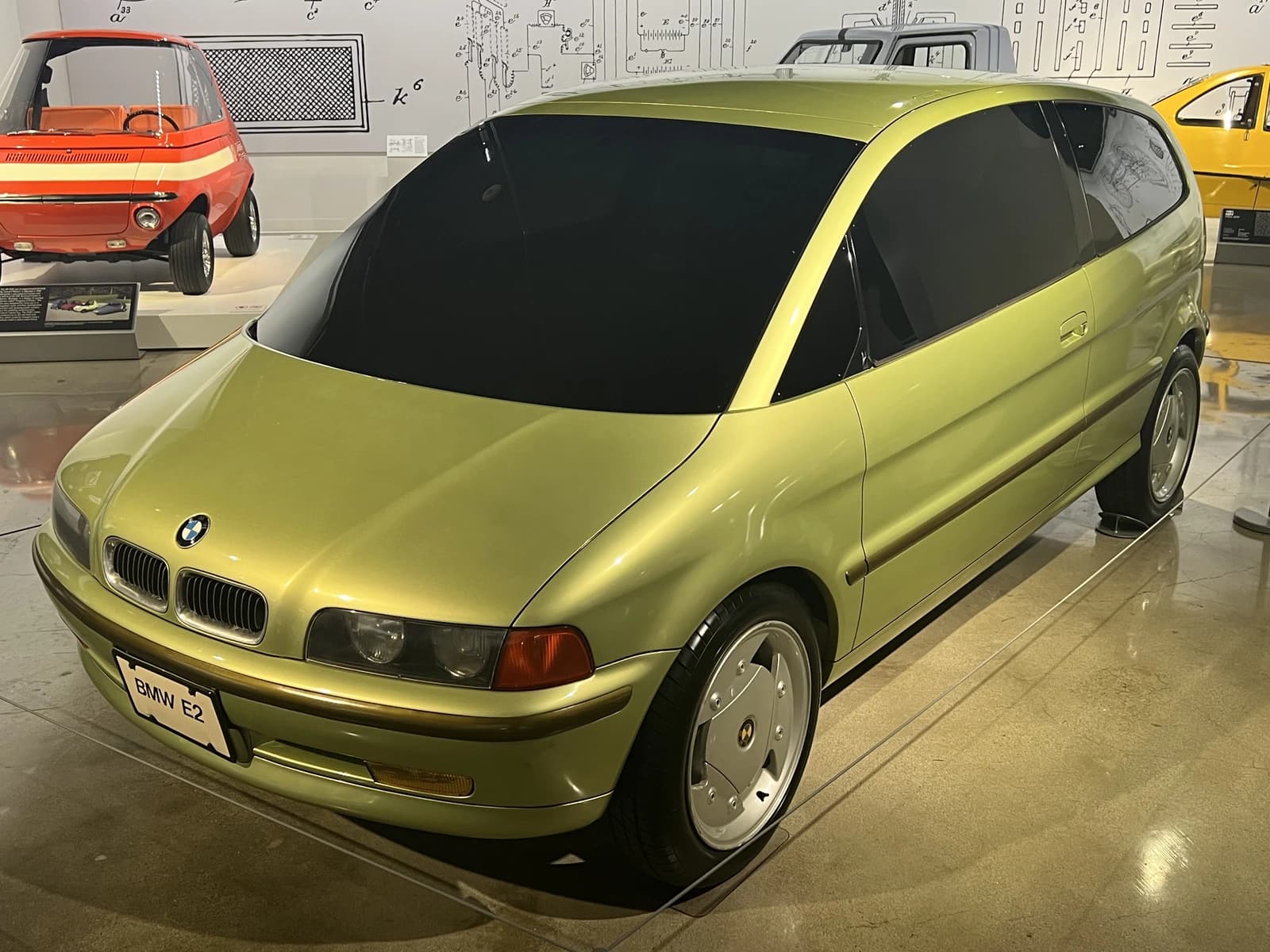
The German automaker’s latest design campaign, built around an old AI concept and a jab at “boring” styling, is more than a marketing flourish. It is an attempt to keep BMW emotionally distinct at a time when the auto industry is being squeezed by slowing demand, electric-vehicle investment, and brutal competition in the world’s biggest car market.
That pressure is showing up in the numbers. BMW has already flagged a painful fourth quarter and cut its full-year 2026 automotive margin forecast to zero, a striking signal that management sees little room for error as sales remain difficult, especially in China. For investors, that is the key issue: when margins compress to that degree, design campaigns matter only if they help protect pricing power and keep customers from drifting to rivals.
The timing is important because BMW is also trying to reposition its lineup for the EV era, with core nameplates such as the 3 Series transitioning into electric form through the i3 badge. That shift is strategically necessary, but it also raises the stakes. Premium brands live and die on desirability, and the market is underestimating how much product perception can influence future cash flow when volume growth is no longer reliable.
BMW’s social and institutional partnerships, including a 15-year collaboration with the United Nations Alliance of Civilizations, add a layer of corporate polish, but they do not change the central investment debate. The company must stabilize sales, restore margin discipline and prove it can remain culturally relevant while funding a costly technological transition. If it succeeds, the shares can re-rate on improved execution and a cleaner EV story. If it does not, the brand risks becoming a legacy name struggling to defend premium status in a market that is moving quickly.
For investors, the asymmetric setup is in the gap between BMW’s image and its fundamentals. The campaign says the brand wants to be seen as forward-looking and unconventional. The market, however, will ultimately reward only one thing: evidence that this reinvention can translate into stronger pricing, better mix and a durable recovery in margins.
| Entity | Gains | Losses |
|---|---|---|
| BMW brand | ▲Stronger identity | ▼Same old design fatigue |
| BMW long-term holders | ▲Potential re-rating on execution | ▼Margin compression |
| Chinese rivals | ▲Market-share pressure relief if BMW slips | ▼Premium positioning if BMW rebounds |
| EV transition | ▲Brand refresh and product relevance | ▼Costly capex without pricing power |