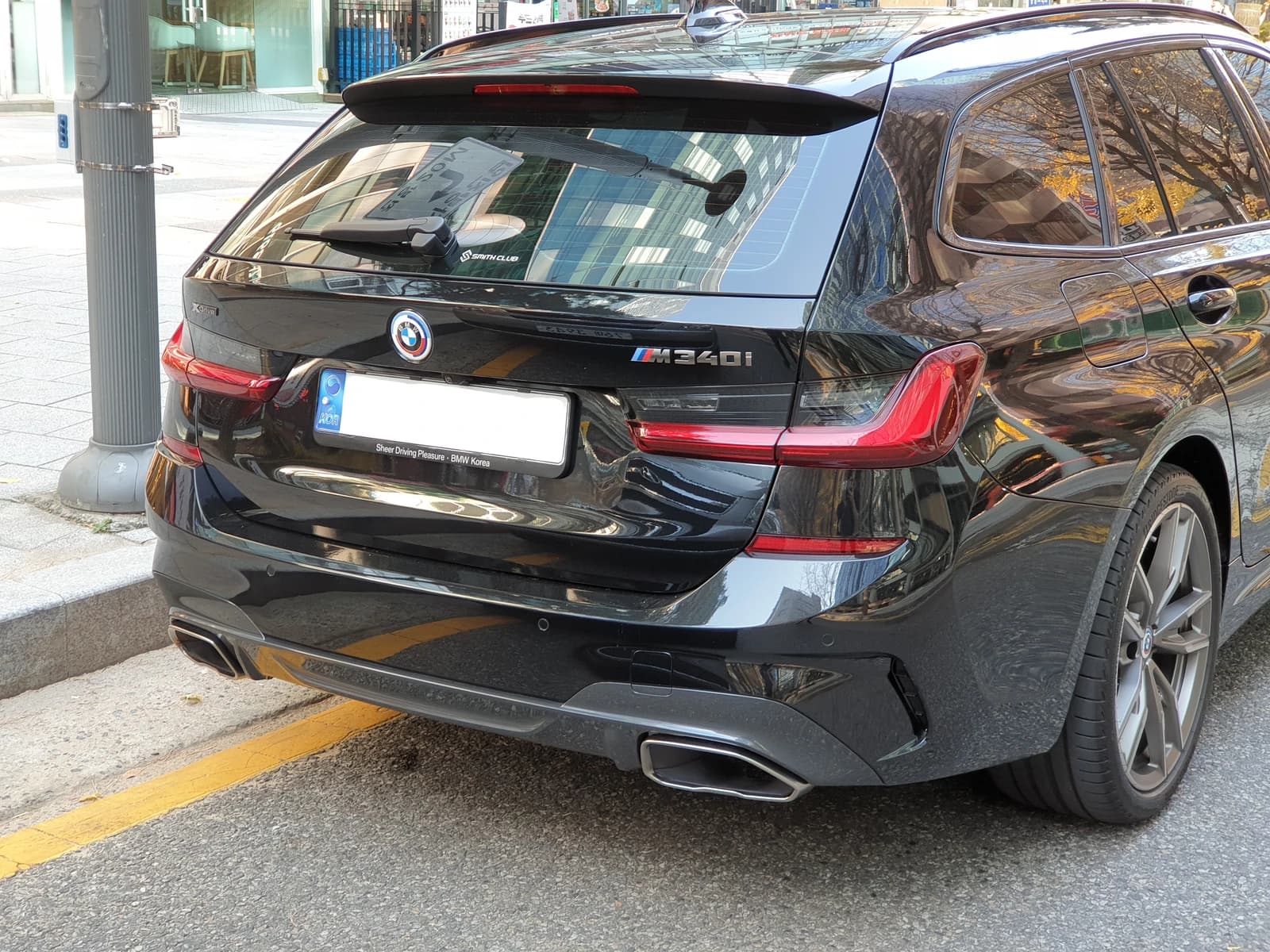
BMW’s first electric M3 is shaping up to be the most powerful version of the badge yet, but the bigger story for investors is that the company is choosing evolution over a clean break. By keeping a petrol M3 in the lineup alongside the battery-electric model, BMW is trying to protect one of its most valuable performance franchises while it navigates the expensive, uncertain transition to EVs.
BMW electric M3 and petrol model in lineup
That matters because premium carmakers do not win on battery range alone. They win on brand, pricing power and loyal customers willing to pay up for a distinct driving experience. BMW’s plan for a bespoke four-motor powertrain, with an estimated 625kW and 1,200Nm of torque, shows the company is not treating the M3 EV as a compliance exercise. It wants a halo car that can defend the M division’s identity in an electric era and potentially command the same sort of pricing as the combustion model.
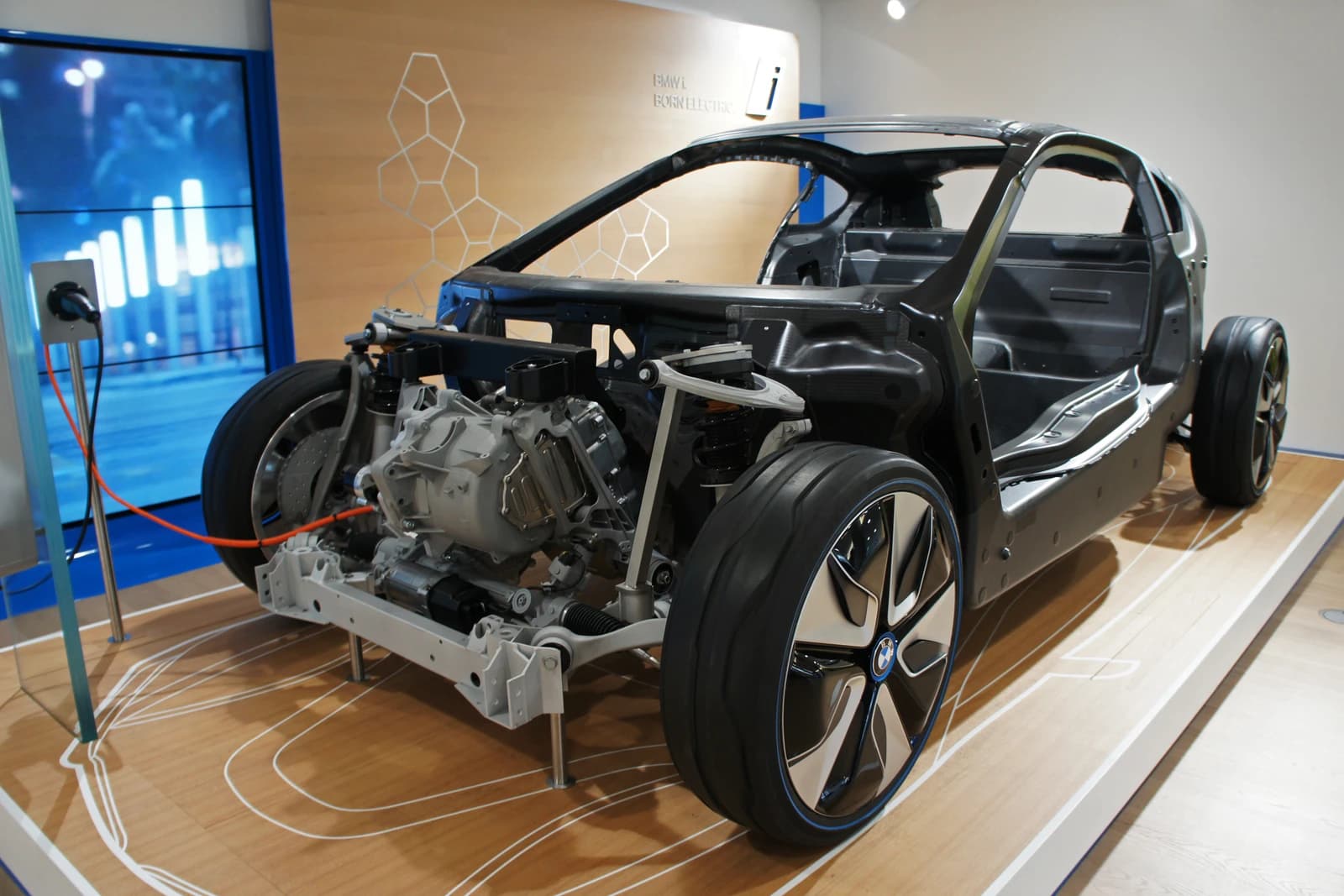
The technical detail is impressive. BMW says the electric M3 will use a dedicated M eDrive system with one motor at each wheel, giving the car unusual control over traction and torque distribution. The setup is designed to preserve rear-drive character, keep drifting capability and even simulate gear changes through drive modes and artificial shift cues. That is more than theatre. For premium buyers, driving feel is part of the product, and BMW appears determined not to surrender that edge to rivals such as Tesla or Mercedes-AMG.
The 800-volt architecture and battery pack of more than 100kWh also matter economically. Faster charging and a targeted range of about 650km would make the car more usable, which is essential if BMW wants the M3 EV to be taken seriously beyond early adopters. If it can add roughly 350km of range in 10 minutes, as BMW claims, that would reduce one of the biggest objections to high-performance EVs: that they are brilliant on paper but inconvenient in real life.
For investors, the most important takeaway is that BMW is attempting to broaden, not cannibalize, demand. A petrol M3 remaining in development means the company can keep serving traditional enthusiasts while building an electric alternative for the next generation of buyers. That reduces the risk of losing customers who are not ready to go all-electric, especially in premium performance segments where loyalty can last for years.
It also shows how the transition to EVs is likely to unfold across the auto industry: not as a single switch, but as a costly overlap period where old and new powertrains coexist. That can pressure margins, product planning and capital allocation, but it can also preserve revenue if executed well. BMW is signaling it believes the M badge is valuable enough to support two versions of the same car rather than forcing a winner-takes-all choice.
There are still clear risks. BMW’s battery and charging figures are provisional, and the electric M3 is not due until 2027. In the meantime, the company must keep funding EV development, battery sourcing and software architecture while managing demand for combustion models that are still generating cash. But if BMW can make the electric M3 desirable without diluting the petrol car’s appeal, it may prove the rare legacy automaker capable of straddling both eras profitably.
For long-term investors, this is a reminder to watch BMW not just as a carmaker, but as a brand manager navigating a secular shift in how performance cars are built and sold. The electric M3 is worth watching; the bigger investment question is whether BMW can turn transition into an advantage rather than a burden.
| Entity | Gains | Losses |
|---|---|---|
| BMW | ▲Broader M3 lineup, pricing power | ▼Higher development costs |
| Performance buyers | ▲More drivetrain choice | ▼Wait until 2027 |
| Petrol purists | ▲Combustion M3 stays alive | ▼No full EV escape |
| Rivals | ▲Benchmark to beat | ▼Pressure on premium EVs |