Porsche has brought its Cayenne EV to Vietnam with pricing from 4.72 billion dong, underscoring how premium automakers are pushing deeper into the country’s electric-vehicle market even as BMW recalls 286 i5 and i7 sedans over a charging software defect that could expose users to electric shock.
Porsche Cayenne EV launches in Vietnam
The Porsche launch gives the German luxury brand a bigger foothold in one of Southeast Asia’s faster-growing auto markets, where affluent buyers remain willing to pay for high-spec electrified models. The Cayenne EV arrives in three trims — Cayenne, Cayenne S and Cayenne Turbo — and in two body styles, with the top Turbo priced at 6.32 billion dong for the SUV and 6.41 billion dong for the Coupe.
Performance is the selling point. Porsche says the Cayenne Turbo makes as much as 1,140 horsepower, hits 100 kph in 2.5 seconds and can travel up to 669 kilometers on the WLTP cycle, putting it among the most powerful battery-electric SUVs on the market. For investors, the launch is a reminder that luxury EV demand remains concentrated at the top end, where margins are typically far healthier than in mass-market battery models.
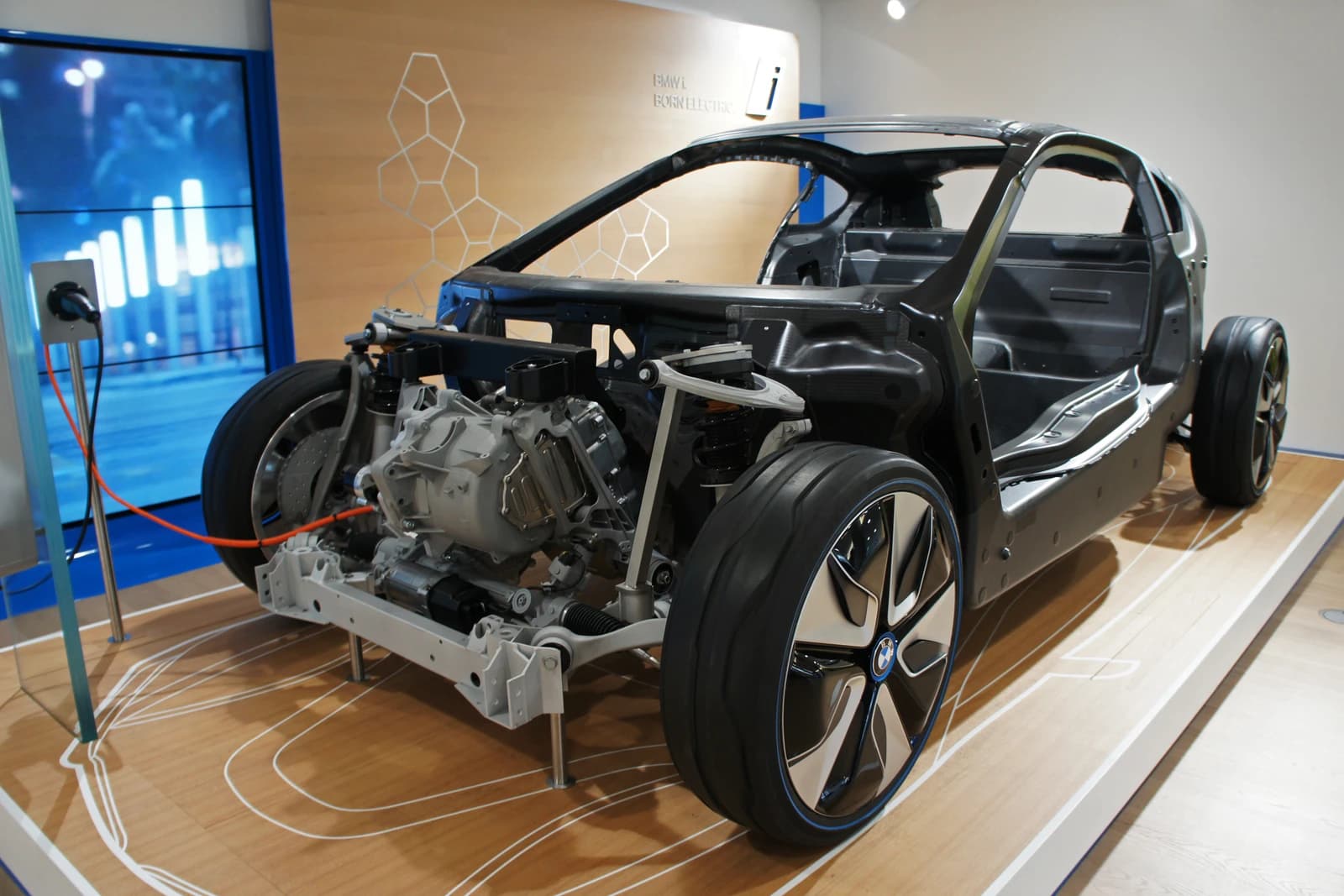
BMW’s recall lands on the other side of the EV equation: software quality and safety execution. The company is recalling 236 i5s and 50 i7s in the U.S., according to a filing with the National Highway Traffic Safety Administration, after it found some vehicles may have been loaded with test software for the high-voltage charging management system rather than final production code.
BMW said the fix will be a free software update, with no hardware replacement required. The issue affects i5 eDrive40, xDrive40 and M60 versions, along with i7 xDrive50 and xDrive60 models, and could in rare cases make the charging system malfunction and create a shock hazard when plugged into power.
For Porsche, the Vietnam debut expands an already high-value product line in a market where premium EVs can command strong pricing power. For BMW, the recall is small in volume but still relevant because repeated software-related fixes can weigh on quality perception at a time when luxury EVs are increasingly judged on reliability as much as range and performance.
The next catalyst for the sector will be whether premium EV demand can keep absorbing expensive new launches without margin pressure, while manufacturers continue to absorb the cost and reputational risk of software-related recalls.
| Entity | Gains | Losses |
|---|---|---|
| Porsche | ▲Vietnam EV sales push | ▼Smaller luxury rivals |
| BMW | ▲Free software fix limits hardware costs | ▼Brand image, i5/i7 owners |
| Affluent EV buyers | ▲More premium choices | ▼Safety/recall concerns |
| Luxury EV segment | ▲Higher visibility, stronger demand | ▼Mass-market EV makers |