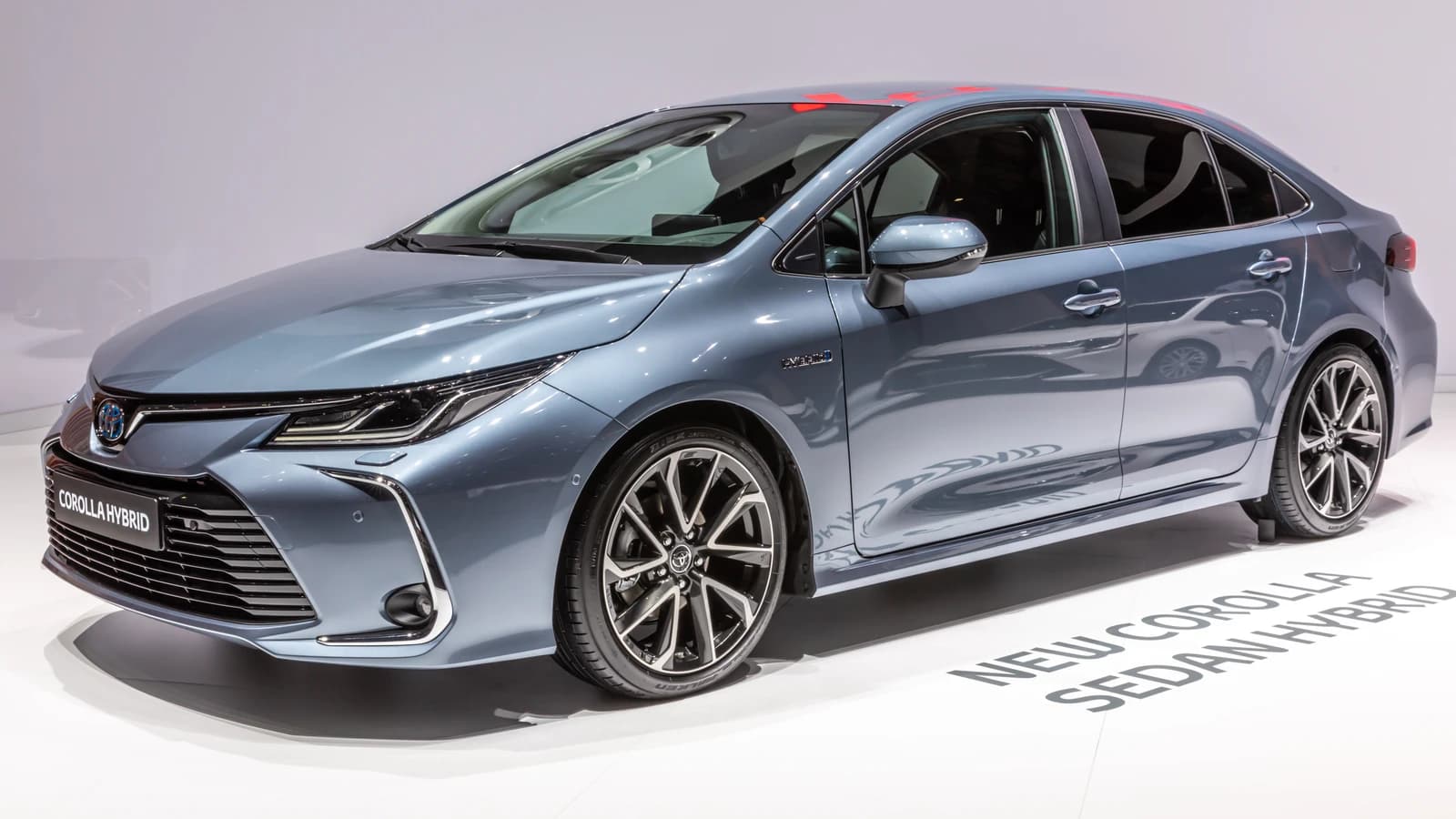
Toyota is recalling 176,737 vehicles in China, a broad safety action that underscores how quality-control failures can quickly become a financial and reputational risk in the world’s biggest auto market.
Toyota recalls 176,737 vehicles in China
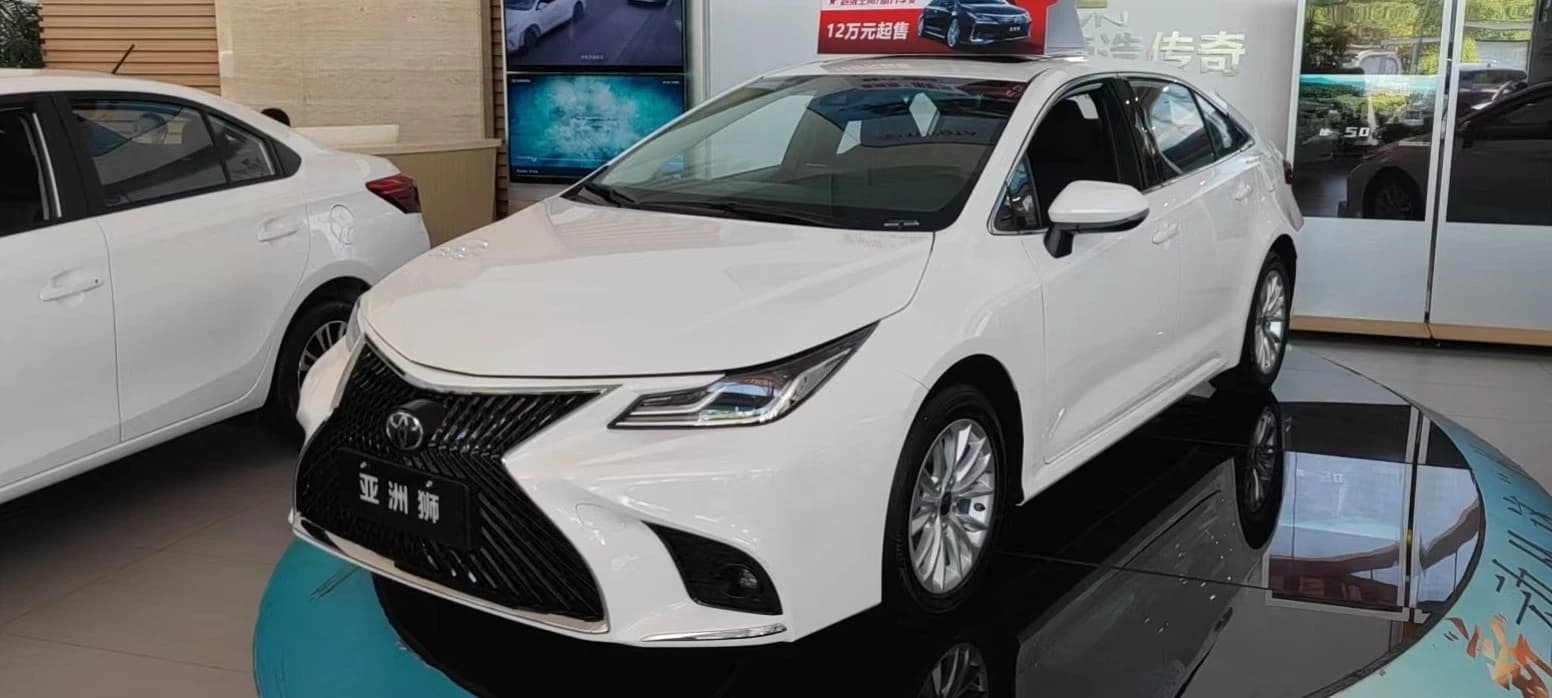
The recall spans Toyota’s electric bZ models and its higher-margin sport utility vehicles, including the Land Cruiser Prado and Lexus GX 550h, and comes as foreign automakers face tighter scrutiny in China over vehicle safety, software reliability and local manufacturing standards. For Toyota, the issue is not only the size of the recall but the breadth of the defects: suspension hardware, brake software and driver-assistance software on the electric side, and fuel-line components on the hybrid SUV side.
Sentiment Indicators
China’s State Administration for Market Regulation said GAC Toyota will replace hardware on bZ3X models and update software on bZ7 sedans at no cost, while dealers will inspect and replace fuel lines and add protective covers on the Prado and Lexus hybrids if needed. The scale is material because it touches both Toyota’s mass-market electrified lineup and premium nameplates that help support margins and brand strength.
The recall also highlights how rapidly technical problems can spill beyond one market. The fuel-system defect on the Land Cruiser Hybrid is already the subject of a parallel action in North America affecting more than 112,000 vehicles in the U.S. and Canada, suggesting a broader engineering or supplier issue rather than a China-only manufacturing lapse. That raises the stakes for Toyota’s global quality controls and could increase the cost of remediation if more markets are pulled in.
For investors, the immediate hit is likely limited to repair expenses and logistics costs, but the bigger concern is erosion of trust in Toyota’s electrification push in China. The company has been working to defend share against domestic electric-vehicle rivals, and repeated product-safety issues could make that harder even if the financial charge proves manageable. Toyota shares have held above both the 50-day and 200-day moving averages, but the recall is the kind of headline risk that can pressure sentiment if investors start to question execution in a strategically important market.
The bull case is that Toyota is acting quickly, regulators have already identified the problems, and the recalls are fixable without a lasting hit to demand. The bear case is that multiple defects across EV and hybrid products point to stretched development timelines and a tougher operating environment in China, where regulators are increasingly intolerant of quality lapses and consumers have more alternatives than ever.
The key question now is whether this is an isolated quality event or another sign that Toyota’s China strategy will require more investment in testing, software validation and supplier oversight to preserve growth and margin resilience.
| Entity | Gains | Losses |
|---|---|---|
| Toyota | ▲prompt remediation opportunity | ▼recall costs and reputational risk |
| Lexus | ▲dealer-service response | ▼premium-brand image |
| Chinese regulators | ▲tougher safety enforcement | ▼none |
| Domestic EV rivals | ▲trust gap versus Toyota | ▼none |