China has approved a mandatory national safety standard for lithium-ion batteries used in electric motorcycles and mopeds, raising the compliance bar for a fast-growing transport segment that has faced persistent fire-risk concerns.
China approves safety standard for e-motorcycle batteries
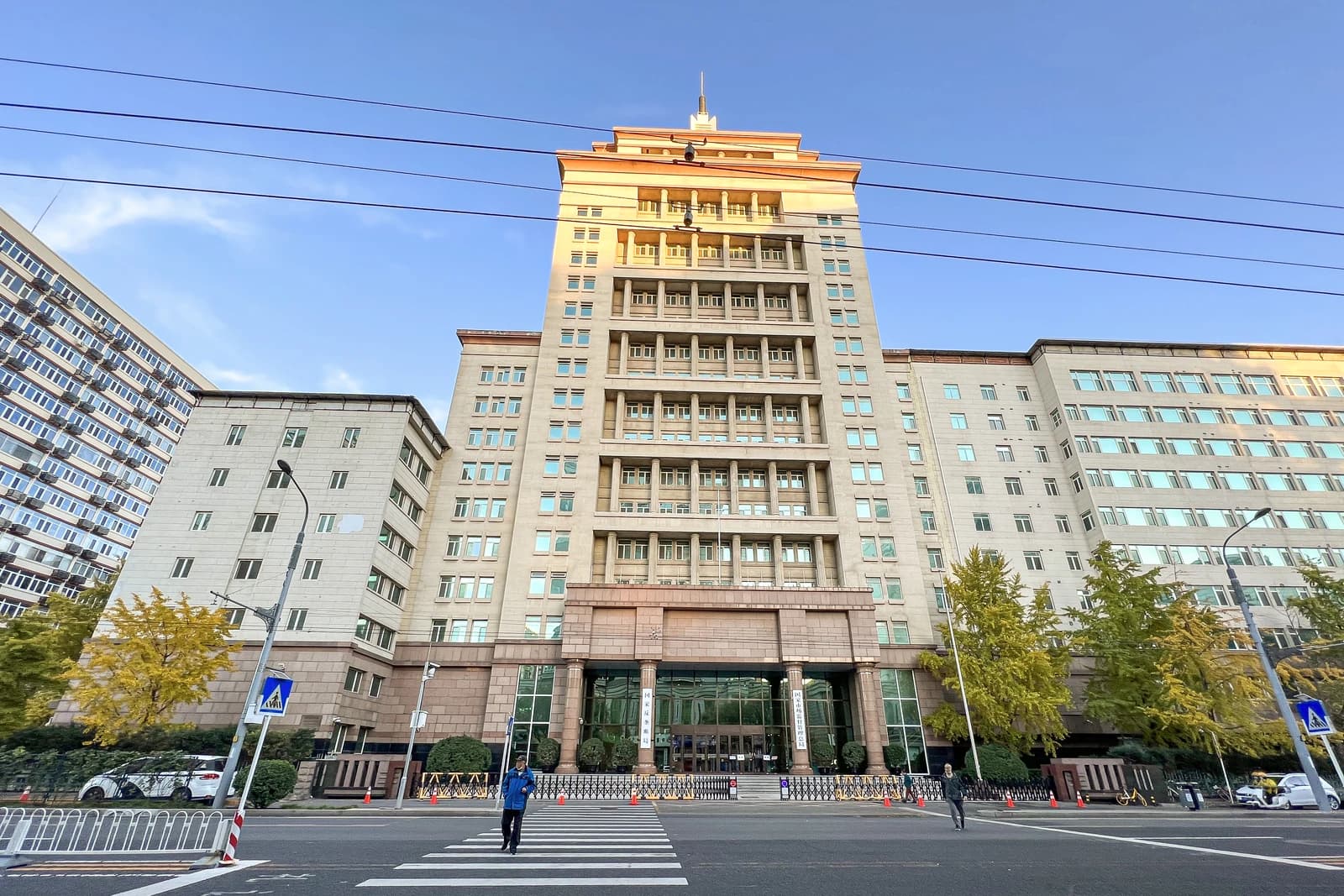
The rule, issued by the State Administration for Market Regulation and the Ministry of Industry and Information Technology, takes effect on July 1, 2027 and expands testing across battery cells, battery packs and full systems. It comes as China tries to tighten oversight of electric mobility, where battery failures can quickly turn into public-safety incidents and trigger broader scrutiny of suppliers and manufacturers.
Sentiment IndicatorsⓘProprietary · adalytica.com · October 21, 2026
This is a snapshot — live sentiment, awareness and momentum for 130+ markets update continuously in the dashboard.Open AlphaPulse
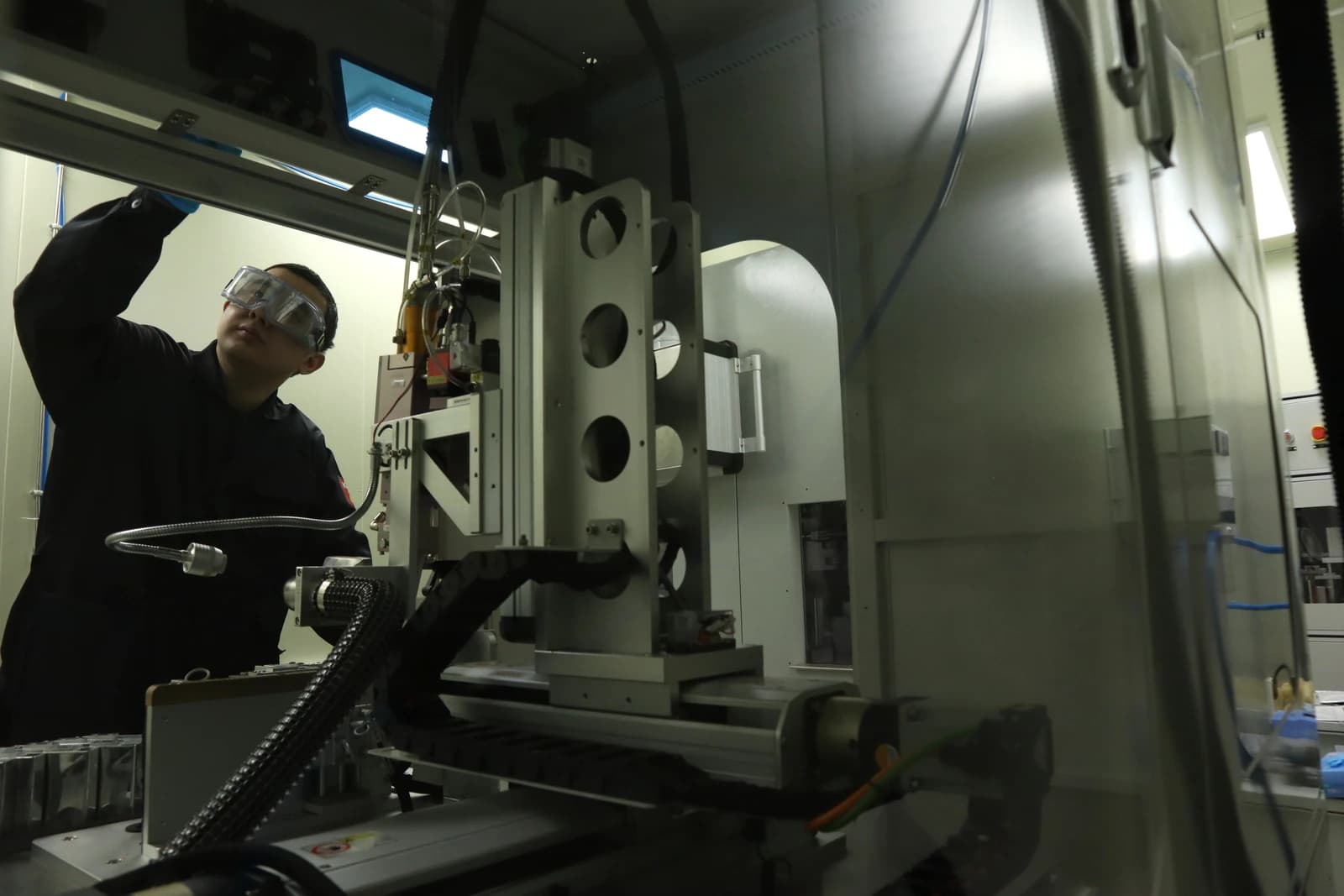
The standard adds tests for low-temperature cycling followed by heating, compression, carrying-handle strength, heat distribution inside the battery and flame resistance of materials. It also introduces clearer marking requirements and tighter rules for how test results are judged, reducing room for interpretation in inspections.
For manufacturers, the practical effect is to raise the cost and complexity of getting products to market. Battery makers and vehicle producers will need to put more emphasis on cell selection, thermal management, structural protection and fire-resistant materials, while noncompliant products will not be allowed to be sold once the rule kicks in.
The move matters beyond China’s domestic two-wheeler market. It reinforces a broader regulatory push to make battery safety a prerequisite for scale, a shift that can favor better-capitalized suppliers with stronger testing, engineering and quality-control systems. That tends to help established materials and battery companies while pressuring lower-end producers that rely on thinner margins and looser specifications.
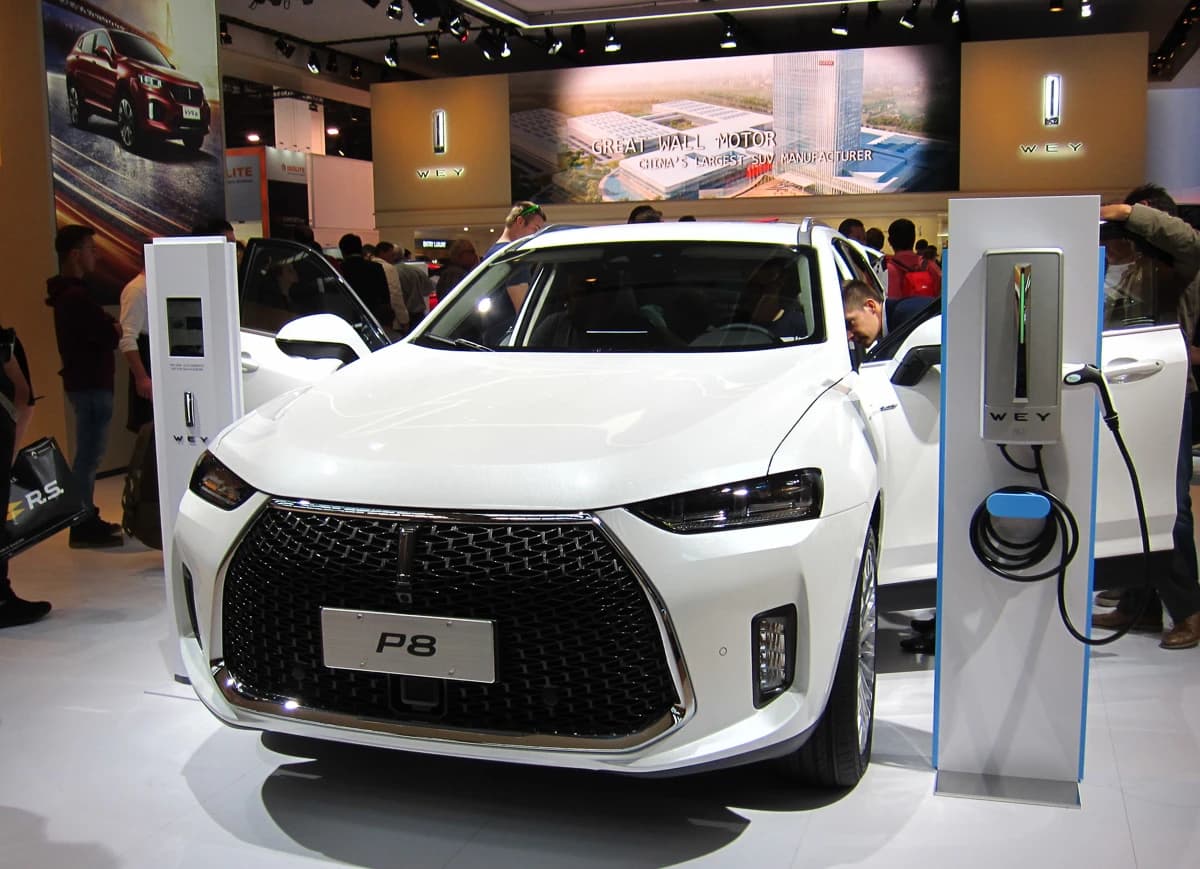
Investors will also watch for spillover effects across the wider lithium-ion supply chain, including battery materials, cell makers and electric-vehicle names exposed to recall risk. Volkswagen’s recent recall of nearly 73,000 electric vehicles over defective batteries is the kind of event regulators and manufacturers are trying to avoid as adoption rises.
With the implementation date more than a year away, the immediate market impact is limited, but the message is clear: battery safety is becoming a competitive filter, not just a compliance issue. The next catalyst will be how quickly suppliers adjust their product designs and whether the new rules become a template for broader electric-vehicle battery oversight.
| Entity | Gains | Losses |
|---|---|---|
| Chinese regulators | ▲tighter safety control | ▼fewer flexible standards |
| Large battery makers | ▲higher barriers to entry | ▼added testing costs |
| Two-wheel EV manufacturers | ▲clearer compliance rules | ▼retooling expenses |
| Low-end suppliers | ▲none | ▼sales risk, delistings |