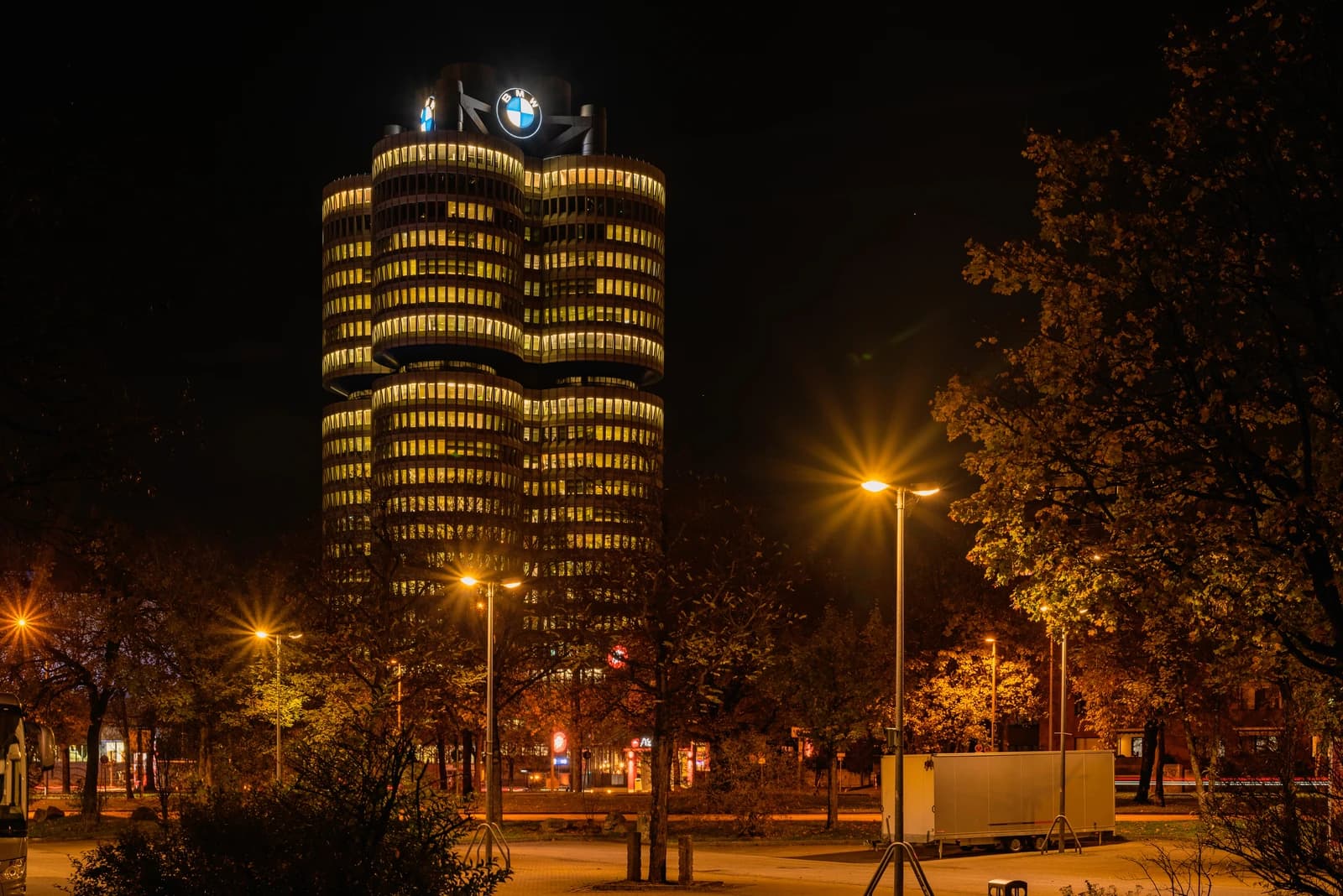
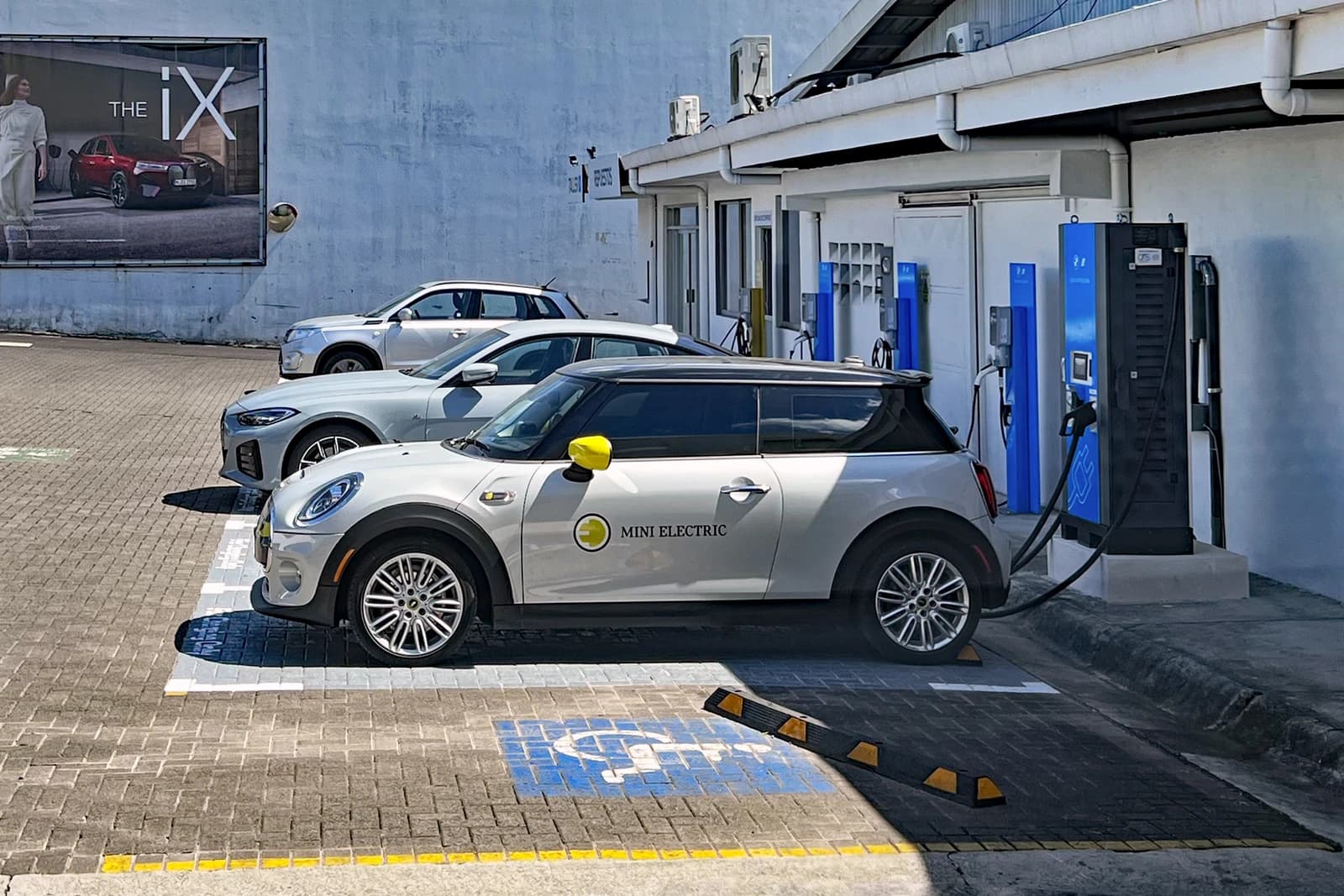
BMW’s Debrecen plant is no longer just a marquee investment in Hungary — it is becoming a global production template, and that matters for investors who care about where the next decade of EV value creation will come from.
BMW Debrecen Plant Expands EV Production Model
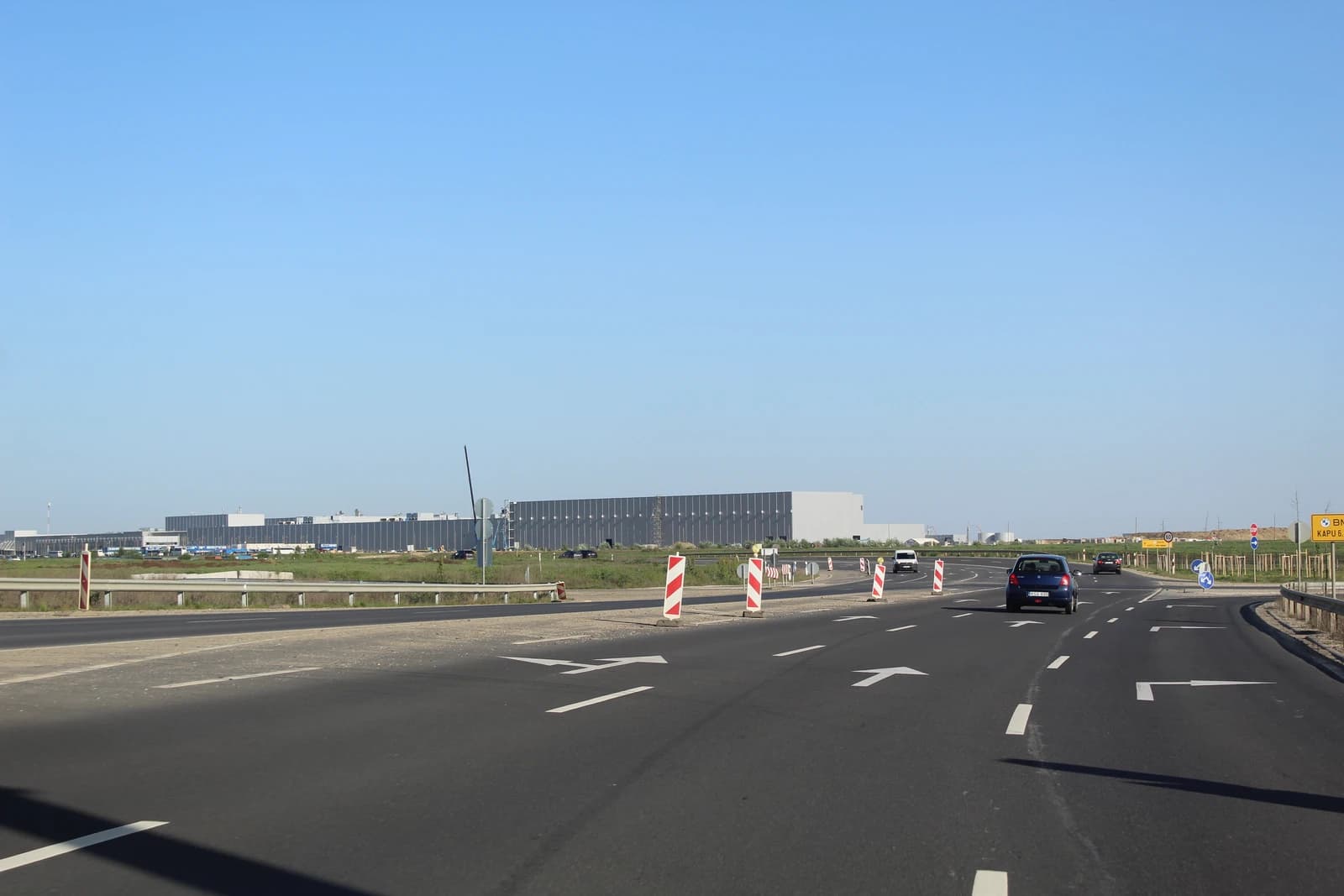
The significance is bigger than a ribbon-cutting story. BMW’s newest factory in Debrecen is now producing 650 cars a day, according to a Hungarian government minister’s visit, and the company is already extending the same manufacturing model to China after launching series production of its sixth-generation high-voltage batteries in Shenyang. When a plant in eastern Hungary helps define a global rollout of BMW’s Neue Klasse EV architecture, that is a sign the company is building more than capacity. It is building an industrial advantage.
Sentiment IndicatorsⓘProprietary · adalytica.com · October 21, 2026
This is a snapshot — live sentiment, awareness and momentum for 130+ markets update continuously in the dashboard.Open AlphaPulse
For Hungary, the payoff is straightforward: foreign direct investment is turning into real industrial output. BMW’s Debrecen site is part of a broader German manufacturing footprint in the country that also includes Mercedes expansion in Kecskemét. That matters because auto manufacturing still anchors Hungary’s industrial statistics, export earnings and high-value employment. The more the Debrecen plant ramps, the more visible its contribution becomes to output, logistics and supplier demand.
For BMW, the story is about scale and discipline. The company says the Gen6 battery cells deliver more than 20% higher energy density and as much as 30% faster charging and greater range than the previous generation. Just as important, BMW is localizing battery production where cars are assembled, reducing transport distances and tightening supply chains. In an era of tariffs, shipping volatility and geopolitical friction, that is exactly the kind of manufacturing model investors should want to see: lower complexity, better control and more predictable margins over time.
The Debrecen plant also underscores a broader shift in Europe’s car industry. Instead of treating the region as a legacy production base, BMW is using it as a proving ground for software, battery and automation-heavy manufacturing. The factory reportedly operates with deep digital planning and heavy automation, even down to having just one printer in a 7,000-person facility. That kind of setup is not just efficient — it is scalable, and scalability is what turns a plant into a reference model.
For investors, the takeaway is not to chase one headline. It is to recognize the competitive moat that a successful EV manufacturing network can create. If BMW can make Debrecen, Irlbach-Straßkirchen and now Shenyang all work within one global battery and vehicle system, it improves the odds that the Neue Klasse rollout becomes a durable earnings driver rather than another expensive transition.
There are still risks, of course. EV demand can be lumpy, ramp-ups can disappoint and auto margins are always exposed to pricing pressure. But BMW’s willingness to localize battery production and standardize quality across regions is the kind of operational move that supports a long-term investment case. Debrecen is looking less like a single factory and more like a blueprint. For patient investors, that makes BMW worth watching closely.
| Entity | Gains | Losses |
|---|---|---|
| BMW | ▲global production model | ▼ramp-up execution risk |
| Hungary | ▲industrial output and jobs | ▼dependence on auto cycle |
| Suppliers | ▲new demand and scale | ▼pressure to meet standards |
| Rival automakers | ▲shared EV learning | ▼lose differentiation on manufacturing |