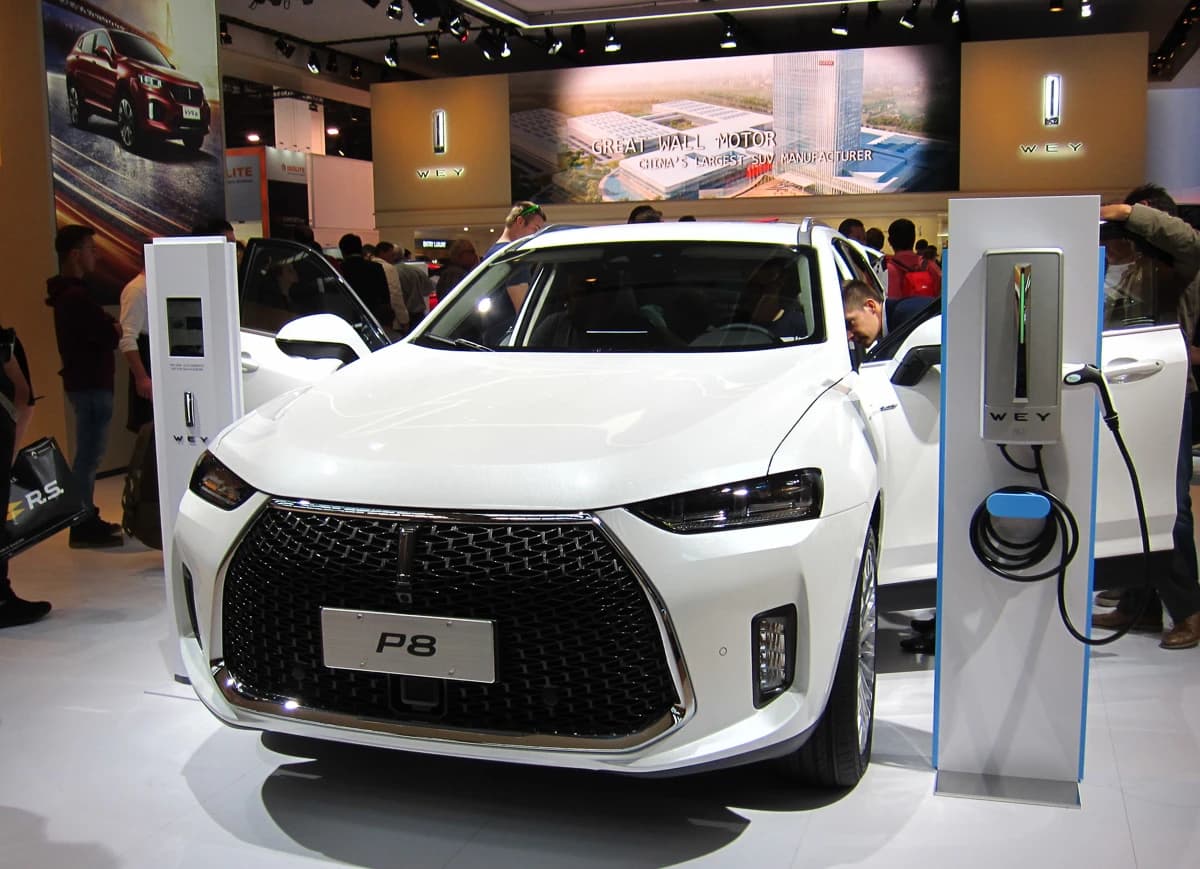
Europe’s automakers are leaning on something China cannot easily copy: brand heritage, as they try to defend market share against a flood of cheaper, fast-improving electric vehicles and hybrids from Chinese rivals.
Europe automakers use heritage to defend EV sales
That matters because the fight for Europe’s mass-market car buyer is no longer just about price or powertrain. It is about whether legacy brands can justify a premium with design, trust and familiarity while still delivering the kind of affordability that determines volume. In a market where Chinese exporters are increasingly aggressive and Europe’s manufacturers face pressure to cut costs, history has become a commercial asset — but only if it converts into sales.
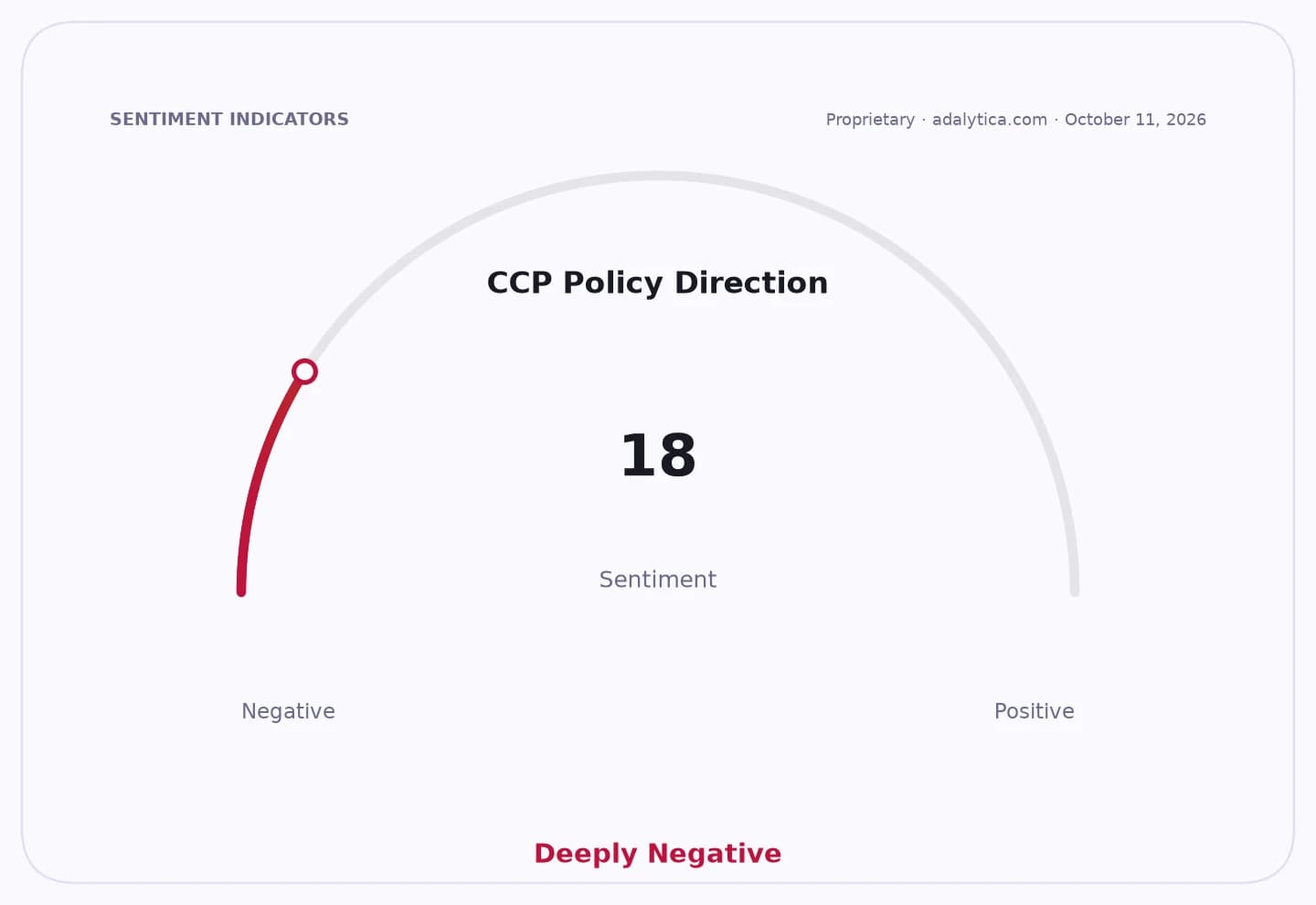
Sentiment IndicatorsⓘProprietary · adalytica.com · October 20, 2026
This is a snapshot — live sentiment, awareness and momentum for 130+ markets update continuously in the dashboard.Open AlphaPulse
Renault, Citroën and Fiat are all reaching back into their archives. Renault’s revived R5 has already found a market, with the company saying it had produced the 100,000th unit of the new model by the end of 2025. That suggests nostalgia alone is not the point; rather, old names can help make new technology feel less risky to buyers. Citroën is taking the same approach with a revived 2CV, aiming for a series version in 2028 at a starting price of about 15,000 euros, a direct shot at the entry-level EV market where Chinese competition is most intense.
For investors, this is a story about margins, not marketing. European carmakers have spent years chasing higher-priced EVs because that was the only place development costs could be absorbed. The next battleground is the low end, where the winners will be the companies that can combine scale, disciplined pricing and a recognizable badge that buyers are willing to pay for. If they get it right, legacy brands can protect pricing power and preserve cash flow. If they do not, China’s export machine will keep taking share.
The broader backdrop makes the challenge sharper. China’s trade surplus hit a record $938 billion in the first nine months of the year, powered by a 36.3% jump in exports in September alone. That is the kind of external pressure that keeps European and other global manufacturers on the defensive, especially as policymakers talk more loudly about rebalancing trade. In the auto industry, that translates into a simple question: can Europe’s brands turn heritage into a durable moat before Chinese manufacturers lock in the lower end of the market?
I believe the answer is yes — but only selectively. The investable edge is not in “Europe autos” as a whole, but in the names and suppliers tied to affordable EV platforms, software, batteries and brand-led compact models that can defend volume. The market underestimates how valuable a trusted badge becomes when consumers are flooded with new entrants and confusing specs. The next multiyear winners will be the companies that make history feel current.
| Entity | Gains | Losses |
|---|---|---|
| Renault, Citroën, Fiat | ▲Brand premium and volume defense | ▼Pure price competition |
| Chinese EV makers | ▲Export-led share gains | ▼Legacy brand barriers |
| European auto suppliers | ▲Platform and component demand | ▼Margin pressure from cut-price rivals |
| Consumers | ▲More affordable EV choice | ▼Less differentiation in the market |